10 Spring Cleaning Mistakes That Make Your Home Dirtier and More Stressful
Spring cleaning should be a fresh start, but most people sabotage themselves without even realizing it. The wrong tools, messy routines, and overconfident hacks can leave surfaces scratched, streaky, and dust-filled, turning a weekend of cleaning into a headache marathon. You can clean smarter and protect your home by catching mistakes before they undo your progress.
Many homeowners rush in, scrubbing and spraying with abandon, thinking any effort counts. But the truth is that even minor missteps, like using vinegar on marble or fluffing a duster, can undo hours of work. Avoid these common blunders to finally achieve the sparkling, stress-free home spring cleaning you’ve been promising.
Using Paper Towels for Everything
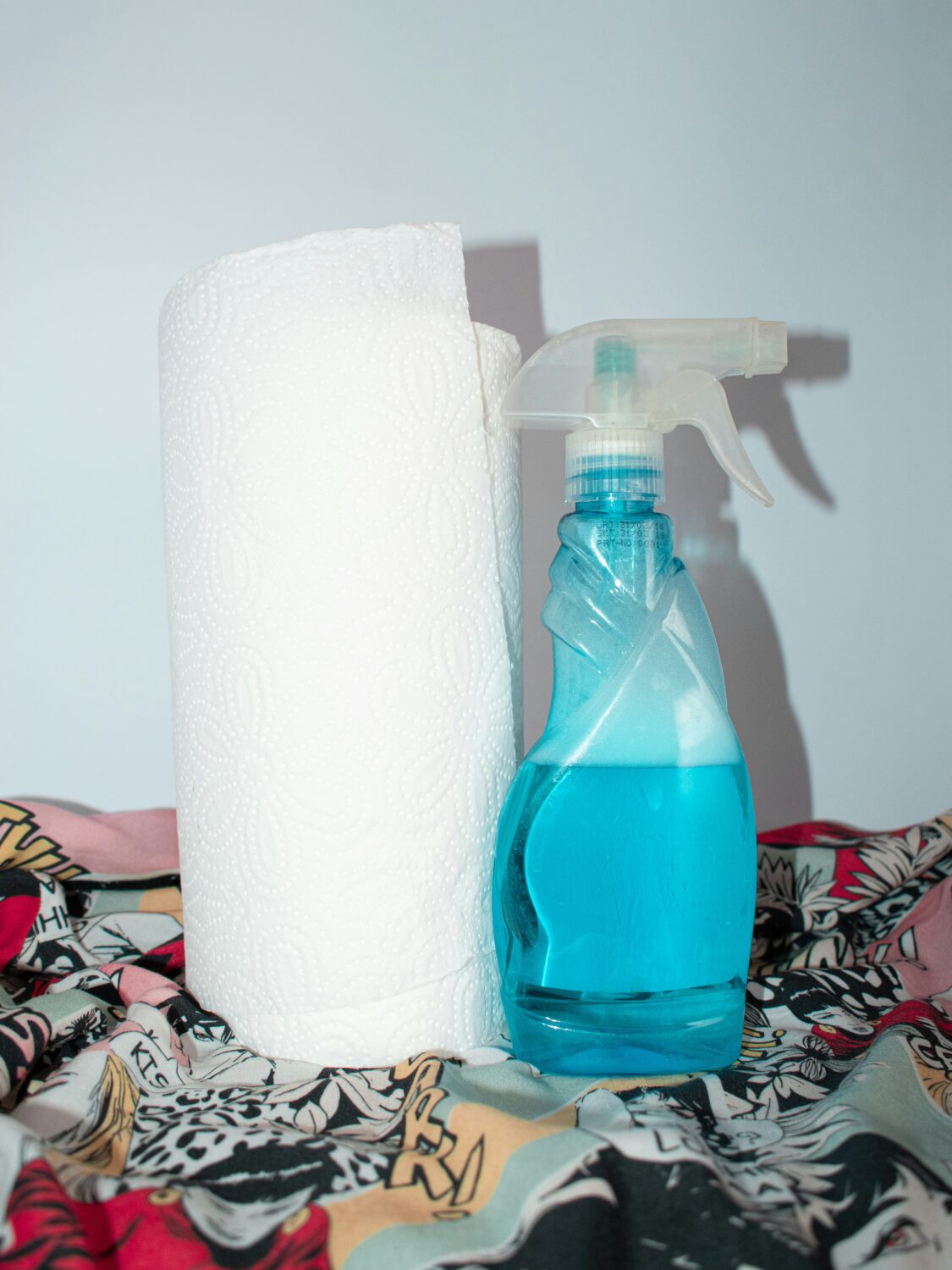
Paper towels feel convenient, but they are terrible for most surfaces. They tear easily, leave lint behind, and waste countless sheets when tackling a full house. Mirrors, windows, counters, and electronics respond better to microfiber cloths, which trap dust instead of spreading it around. Over-relying on paper towels creates more mess than it removes, leaving your home looking unfinished and frustrating you with streaks and fibers stuck everywhere.
Spraying Vinegar on All Surfaces
Vinegar is a cleaning legend, but it’s not universal. Its acidity can dull stone countertops, damage hardwood floors, harm grout, and eat through metal finishes. People who blindly use it on every surface risk ruining their expensive materials. What starts as a “natural cleaning hack” can leave behind marks, scratches, and weakened seals, leading to costly repairs. Knowing where and how to use vinegar is essential to prevent your spring cleaning from backfiring.
Washing Windows in Direct Sunlight
Cleaning windows in bright sunlight seems efficient, but it often results in streaks. Sunlight dries cleaners too fast, leaving cloudy patches and frustrating touch-ups. Working when the glass is shaded or on a cooler day allows cleaners to lift grime fully before drying. Rushing this step under harsh light turns your shiny windows into streaky mirrors, wasting effort and leaving your home looking half-clean despite your hard work.
Disinfecting Before Cleaning Dirt

Disinfectants kill germs but do not remove dirt, dust, or grime. Spraying before cleaning reduces effectiveness because dirt can block contact with germs. Cleaning first with soap and water ensures surfaces are actually ready for disinfecting. Skipping this step makes kitchens, bathrooms, and high-touch areas seem clean while leaving hidden messes behind, undermining both hygiene and effort.
Using Feather Dusters or Rags
Old feather dusters and rags push dust into the air instead of trapping it. This scattered dust quickly settles on counters, shelves, and electronics, undoing your previous cleaning. Microfiber cloths or damp dusters trap particles, keeping your home truly clean. Without proper tools, dusting becomes a cycle of frustration, leaving the house dustier than when you started.
Scrubbing Too Hard With Abrasives
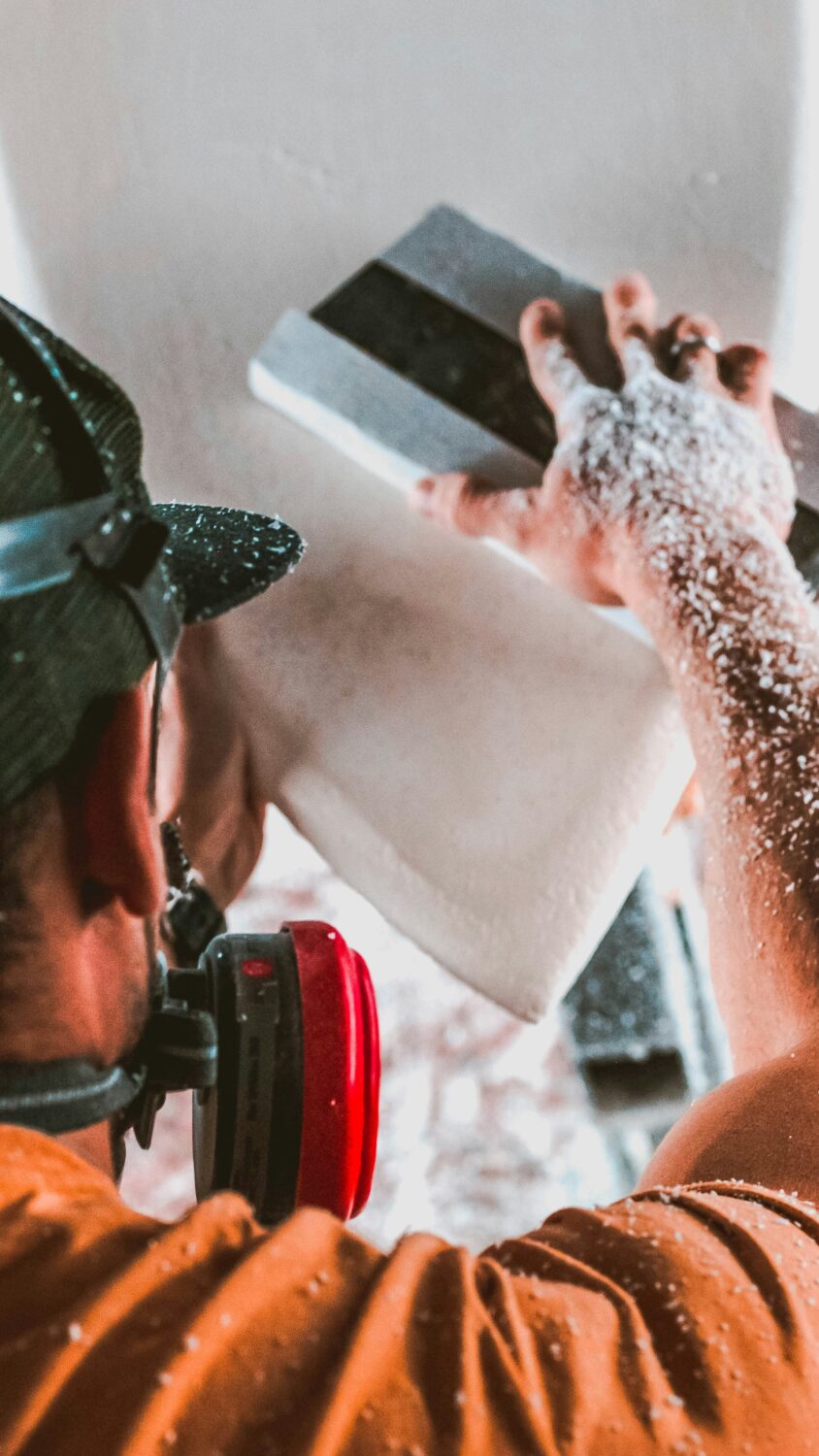
Overzealous scrubbing with harsh cleaners scratches sinks, tubs, countertops, and stovetops. The damage may not be immediate, but repeated abuse can permanently dull surfaces. Abrasive products should be reserved for durable surfaces only and tested in hidden spots. Scrubbing harder is not better; it’s destructive. Knowing the right cleaner for the right surface protects your home and ensures hours of effort don’t leave lasting scars.
Cleaning Without a Plan
Rushing from room to room without order leads to half-finished chores, repeated tasks, and wasted energy. Cleaning systematically, top to bottom, room by room, avoids redundancy and keeps motivation high. A plan saves time, ensures every area is addressed, and prevents frustration. Without structure, spring cleaning can feel chaotic, leaving you exhausted and questioning if the effort was worth it.
Forgetting to Clean Your Tools
Dirty sponges, mop heads, vacuums, and cloths spread old dirt rather than remove new messes. A clogged vacuum or grimy mop turns spring cleaning into a recycling of yesterday’s dust. Clean tools are essential for effective results. Skipping this step undoes work, leaving streaks, smears, and leftover grime that make your home look dirtier than before.
Using a Steam Mop on Hardwood Floors
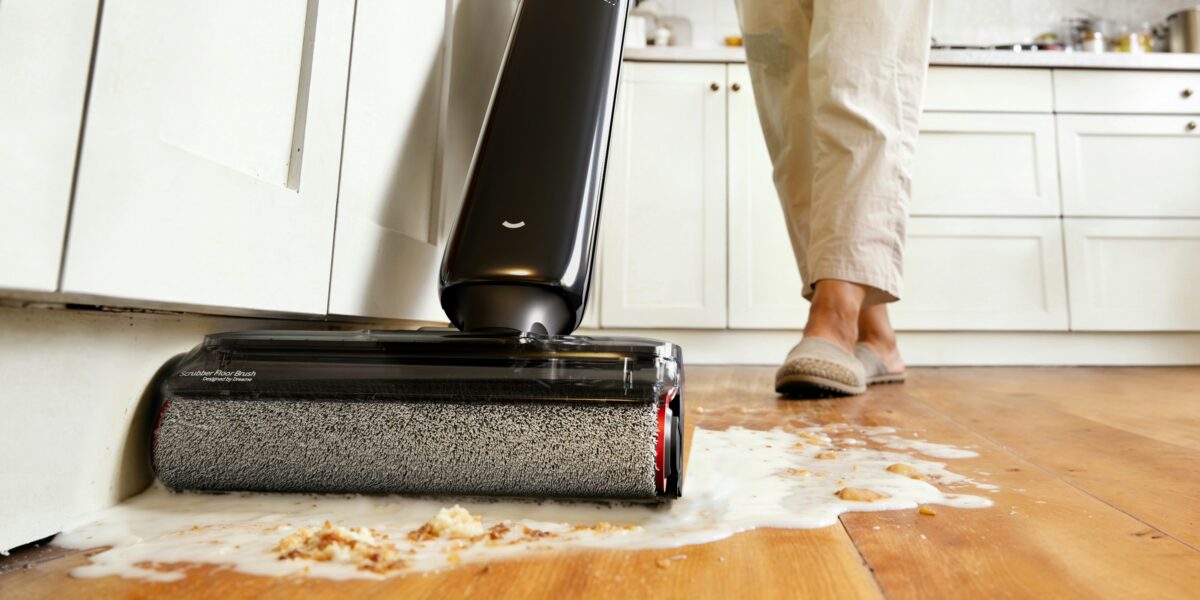
Steam mops may seem perfect for floors, but heat and moisture can warp hardwood, swell seams, and damage finishes over time. Excess water penetrates where it shouldn’t, leaving long-term damage under the guise of clean floors. Microfiber mops with a slightly damp, wood-safe cleaner are safer options. Misusing steam mops turns deep cleaning into an expensive mistake that can haunt your floors for years.
Overlooking Hidden Dirt Spots
Corners, vents, under furniture, and behind appliances often hide dirt that spreads quickly when disturbed. Ignoring these spots makes the home feel dusty shortly after cleaning. Thorough spring cleaning targets unseen areas, catching debris before it contaminates visible surfaces. Overlooking these areas means your efforts only partially improve the house, leaving frustration in their wake.
Conclusion
Spring cleaning fails when tools, techniques, and timing backfire. Avoiding these ten mistakes ensures surfaces shine, floors stay intact, and dust doesn’t come back to haunt you. Smart cleaning isn’t about working harder; it’s about working smarter. Spot these common blunders, adjust your methods, and finally enjoy a home that feels refreshed, organized, and genuinely clean.