8 Disturbing Thoughts Men Have When Women Wear Revealing Clothes in Sports
Sports are meant to be empowering, competitive, and exhilarating, a showcase of skill, determination, and discipline. Women step onto courts, fields, tracks, and arenas with a singular focus: to compete, to excel, and to push their physical and mental limits. Yet there’s an invisible, unsettling layer they often face, a culture of objectification and inappropriate attention that persists even while they are performing at the highest levels.
Many men let their attention drift from the athlete’s actual performance to appearance, clothing, or body shape. These eight disturbing mental patterns reveal the hidden pressures and challenges that women in sports navigate every time they wear form-fitting or revealing athletic attire. Understanding them is crucial to recognizing the additional mental load that female athletes carry and how these perceptions shape their experience of sport.
Judging Skill by Looks Instead of Ability

Instead of admiring technique, endurance, strategy, or the countless hours of practice that go into athletic excellence, some men let appearance dictate perceived competence. They equate a toned physique, tight clothing, or visible musculature with skill, making superficial judgments that ignore training, tactical intelligence, and the athlete’s dedication.
This reductive thinking not only diminishes the recognition women deserve for their craft but also reinforces the harmful stereotype that appearance is as important as ability, creating unnecessary stress for athletes who are focused on performance, not fashion.
Sexualizing Performance
Even when women athletes are completely immersed in their sport, some men allow inappropriate sexualized fantasies to overshadow the athlete’s purpose. Every sprint, leap, or serve becomes filtered through a lens of sexualization.
This reduces a professional athlete to a mere object of desire rather than a competitor who has dedicated years to refining her talent. It’s a subtle, insidious form of distraction that women must constantly balance focus on their sport while navigating the mental weight of being seen through a sexualized lens.
Comparing to Unrealistic Beauty Standards

Cultural and media-driven beauty ideals play a major role in shaping the thoughts some men have about female athletes. Rather than appreciating functional strength, stamina, and skill, many subconsciously measure women against aesthetic standards that are impossible or irrelevant to sport.
This can lead to dismissive or judgmental thoughts, as men evaluate whether an athlete fits a preferred body image rather than recognizing her actual performance. The pressure this creates is compounded by the constant comparison to models, celebrities, and social media trends, which have nothing to do with athletic ability.
Misinterpreting Attire as Invitation

Athletic attire is designed for one purpose: performance. Shorts, leggings, sports bras, and fitted tops are meant to allow freedom of movement, provide support, and optimize comfort during intense activity. Yet some men misread revealing or tight-fitting clothing as an invitation for attention, validation, or flirtation. This assumption is rooted in entitlement and reflects a complete disregard for the athlete’s autonomy, focus, and professional intent. Women must contend with these misperceptions while striving to compete at their best, a mental distraction that men often fail to recognize.
Questioning Professionalism
A concerning pattern is the assumption that women who wear revealing athletic gear are somehow less serious, less disciplined, or less competent than men or women who wear looser, more conservative clothing. Some men use appearance as a proxy for commitment, questioning an athlete’s dedication, work ethic, or professionalism based solely on what she wears. These judgments are not only inaccurate but also undermine the respect and credibility that female athletes have earned through years of training and achievement.
Fixating on Body Parts

Instead of noticing form, coordination, or athletic technique, some men focus obsessively on specific body parts, treating them as objects rather than recognizing functional strength and skill. This type of mental objectification strips away the complexity of athletic ability, reducing performance to a superficial evaluation of shape or figure.
It creates an invisible barrier that women athletes must navigate, forcing them to perform while aware that observers may be distracted by their appearance rather than appreciating their talent.
Capturing and Sharing Without Consent
Some men go beyond thought to action, photographing or filming female athletes and sharing images online without permission. These behaviors amplify objectification and increase pressure, creating additional stress for women who must now manage both their performance and their digital representation.
This form of exploitation contributes to a culture where the athlete’s appearance is prioritized over their skill, reinforcing the notion that public visibility is contingent on sexualized attention rather than merit.
Ranking and Comparing Based on Appearance
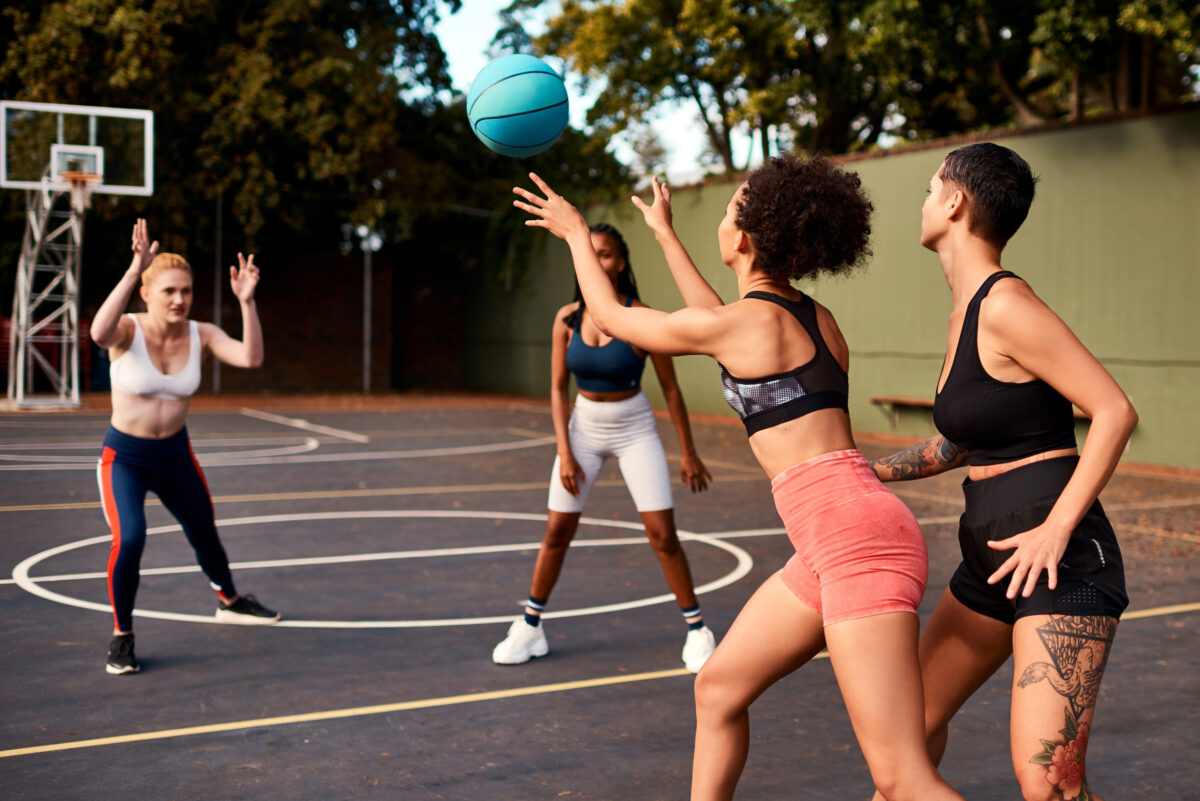
Even among peers, some men evaluate female athletes not by performance, results, or accomplishments, but by appearance, clothing, or perceived attractiveness. This reduces competition to a superficial contest and adds social and emotional stress unrelated to the sport itself.
Female athletes are already navigating rigorous schedules, training demands, and high expectations for excellence, and these unnecessary comparisons exacerbate the pressure to conform to irrelevant standards of appearance.