10 Terrifying Ways the Human Body Can Die, According to Science
Death is already a heavy subject, but science makes one thing clear: some endings are far more brutal than others. The body can shut down due to heat, cold, pressure, oxygen loss, toxins, trauma, or slow organ failure, and each route triggers its own frightening chain reaction. This list looks at the most disturbing ways humans can die through a scientific lens, not as horror entertainment, but as a look at how fragile the body really is.
Drowning
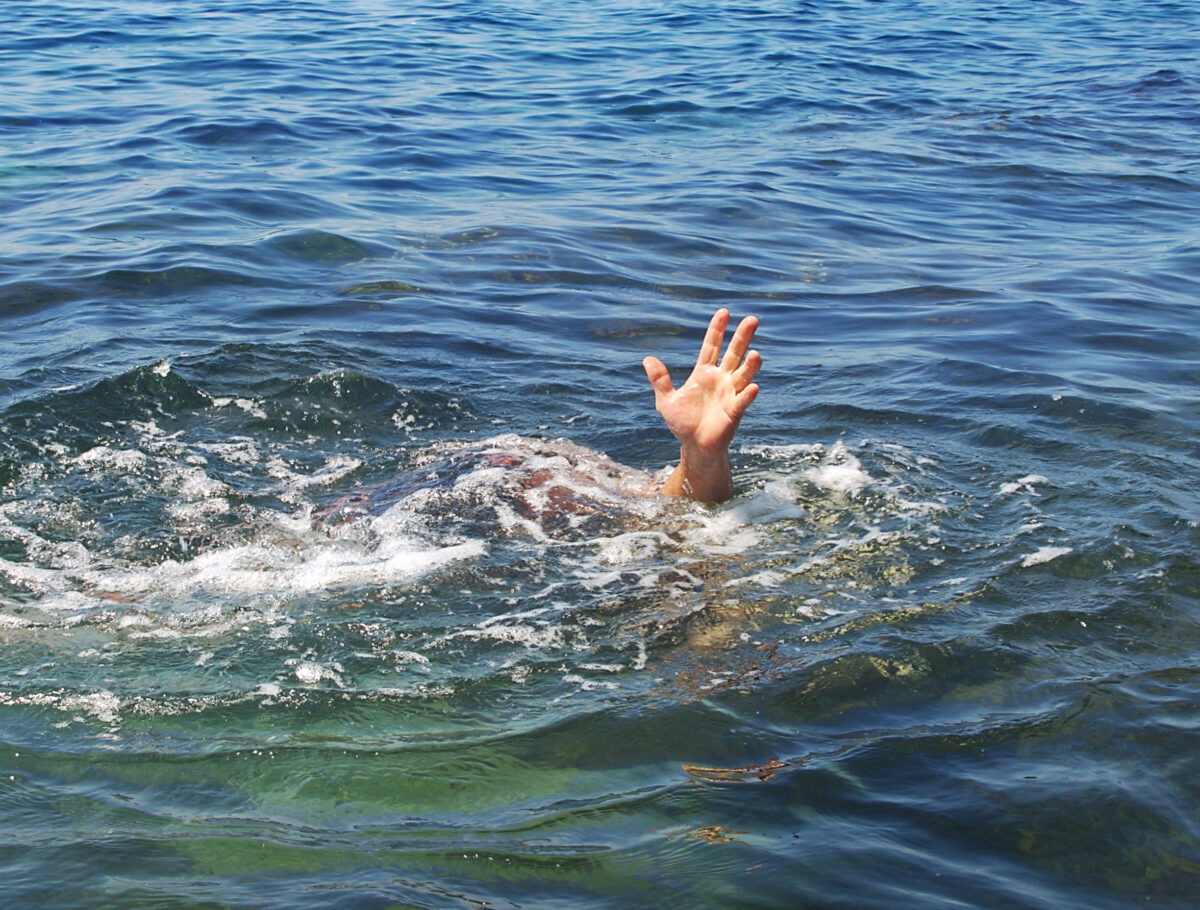
Drowning is terrifying because the body fights desperately for air even when the mind knows there is none. As oxygen levels drop and carbon dioxide rises, panic usually intensifies, and the lungs may draw in water during involuntary breathing attempts.
The brain begins to fail when it cannot get enough oxygen, leading to confusion, unconsciousness, and then death. The terror comes from the body’s natural survival alarm screaming until consciousness fades.
Poisoning
Poisoning is frightening because different toxins attack the body in different ways. Some stop the nervous system, some block oxygen use, some destroy organs, and others cause violent internal reactions.
Depending on the substance, symptoms may include vomiting, seizures, paralysis, breathing failure, heart rhythm problems, or coma. The danger is that the body’s normal systems can be hijacked before help arrives.
High Impact Trauma
A severe fall, crash, explosion, or violent impact can overwhelm the body instantly. Bones may break, organs may tear, blood vessels may rupture, and the brain may suffer catastrophic injury.
In some cases, death is quick, but the body still goes through shock, oxygen loss, and system failure. The violence of high-impact trauma shows how quickly the human body can move from functioning to being fatally damaged.
Burning Alive
Fire is one of the most feared ways to die because it attacks the body from the outside and inside at the same time. Severe burns damage the skin, destroy tissue, inflame nerves, and can make breathing impossible when hot smoke or toxic gases enter the lungs.
The pain can be extreme before nerves are destroyed, and the body often goes into shock as fluids leak from damaged tissue. Death may come from organ failure, inhalation injury, infection, or massive trauma.
Being Buried Alive

Few deaths combine physical suffering and psychological terror like being buried alive. Oxygen slowly runs out, carbon dioxide builds up, movement becomes restricted, and panic can accelerate breathing, which uses up air even faster.
The person may experience crushing fear, chest tightness, dizziness, and confusion as the brain becomes starved of oxygen. It is a slow, claustrophobic collapse of both body and mind.
Radiation Sickness
Radiation poisoning is horrifying because it destroys the body at the cellular level. High doses damage DNA, bone marrow, the digestive tract, skin, and internal organs, causing the body’s repair systems to fail.
A person may appear temporarily stable before symptoms worsen into bleeding, infection, organ collapse, and severe weakness. It is not a dramatic instant death, but a slow biological breakdown from within.
Crushing Injuries
Being crushed can kill through pressure, blood loss, organ damage, and shock. Heavy force can break bones, rupture organs, block blood flow, and trap the lungs so breathing becomes impossible.
Even if someone survives the first impact, damaged muscles can release toxins into the bloodstream, leading to kidney failure and other complications. The body is not built to withstand sustained, high external pressure.
Starvation
Starvation is one of the slowest and most punishing ways the body can shut down. After burning stored sugar and fat, the body begins breaking down muscle for energy, including muscles needed for movement and basic survival.
Weakness, dizziness, immune failure, confusion, and organ damage can follow as the body consumes itself to stay alive. The suffering comes from the long, exhausting decline.
Dehydration
Dehydration can become deadly faster than starvation because water is essential for blood flow, temperature control, kidney function, and brain activity. As fluid levels fall, thirst becomes intense, the mouth dries out, the heart works harder, and the kidneys struggle to remove waste.
Confusion, weakness, seizures, and organ failure can follow in severe cases. The body becomes trapped in a crisis it cannot cool, clean, or circulate its way out of.
Freezing to Death
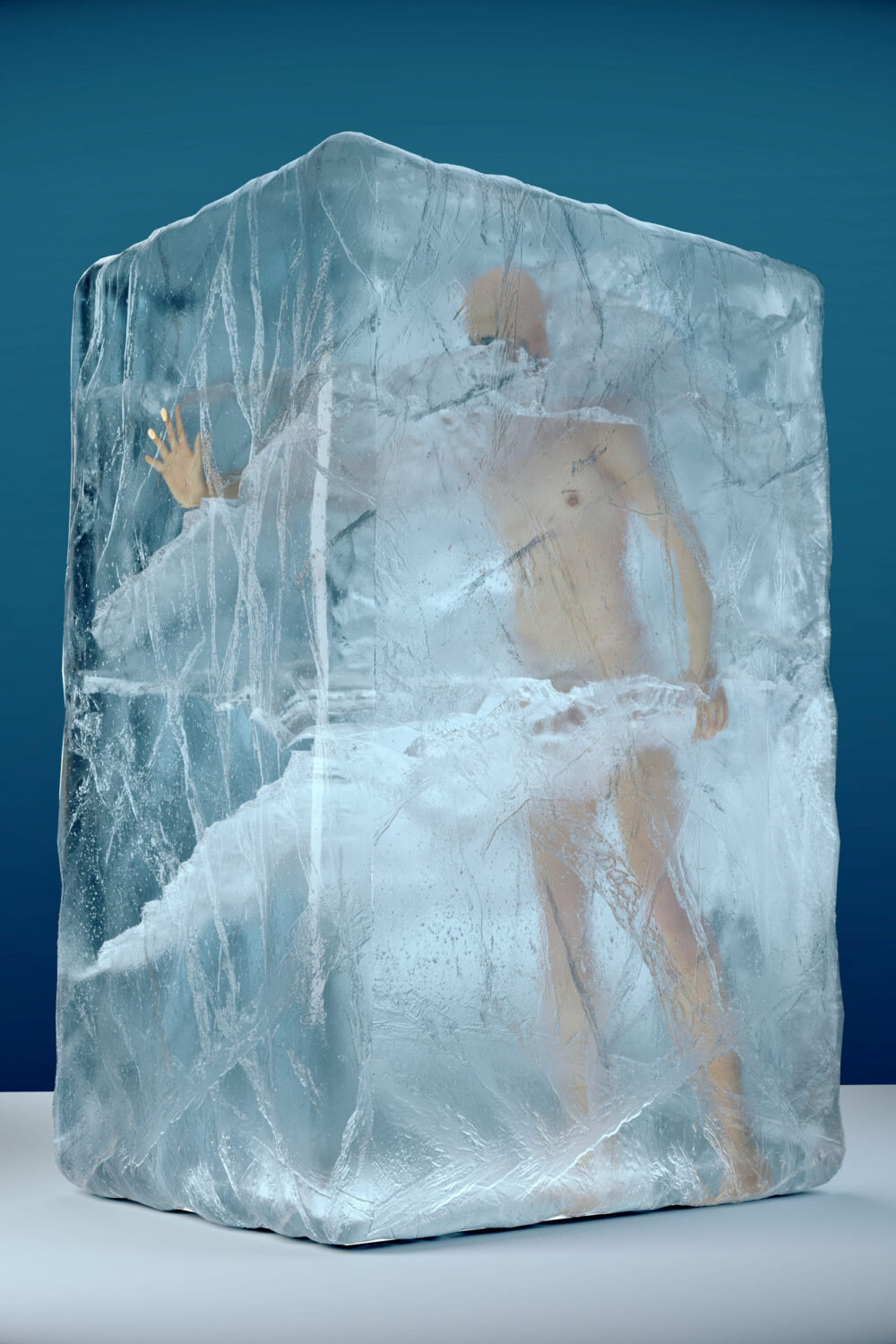
Hypothermia begins quietly, which makes it especially dangerous. The body shivers violently at first, then thinking becomes slow, movement becomes clumsy, and confusion takes over as core temperature falls.
In severe cases, people may stop feeling cold and make irrational decisions because the brain is no longer working properly. Death happens when the heart, brain, and organs can no longer function in the cold.
Conclusion
The worst ways to die are not always the fastest or the most dramatic. Science shows that the most terrifying deaths often involve panic, pain, oxygen loss, tissue destruction, or slow organ failure. Fire, drowning, freezing, dehydration, starvation, radiation, poisoning, crushing, burial, and extreme trauma all reveal how many systems must work together just to keep a human alive. The uncomfortable truth is simple: the body is powerful, but it is also deeply fragile.