10 Quiet Kidney Disease Signs Too Many People Ignore Until It Gets Serious
Chronic kidney disease has a scary talent for hiding in plain sight. We can feel busy, tired, slightly puffy, or a little off and still tell ourselves it is just stress, age, work, food, or poor sleep. The kidneys do not always send loud alarms when they start struggling, which is why the condition is often called a silent killer.
That silence is the dangerous part. The kidneys filter waste, balance fluid, help regulate blood pressure, and help the body maintain important mineral levels. When they begin to weaken, the symptoms can look ordinary at first. These warning signs should never be used to self-diagnose, but they are strong reasons to ask for proper kidney testing.
Swollen Feet, Ankles, or Hands
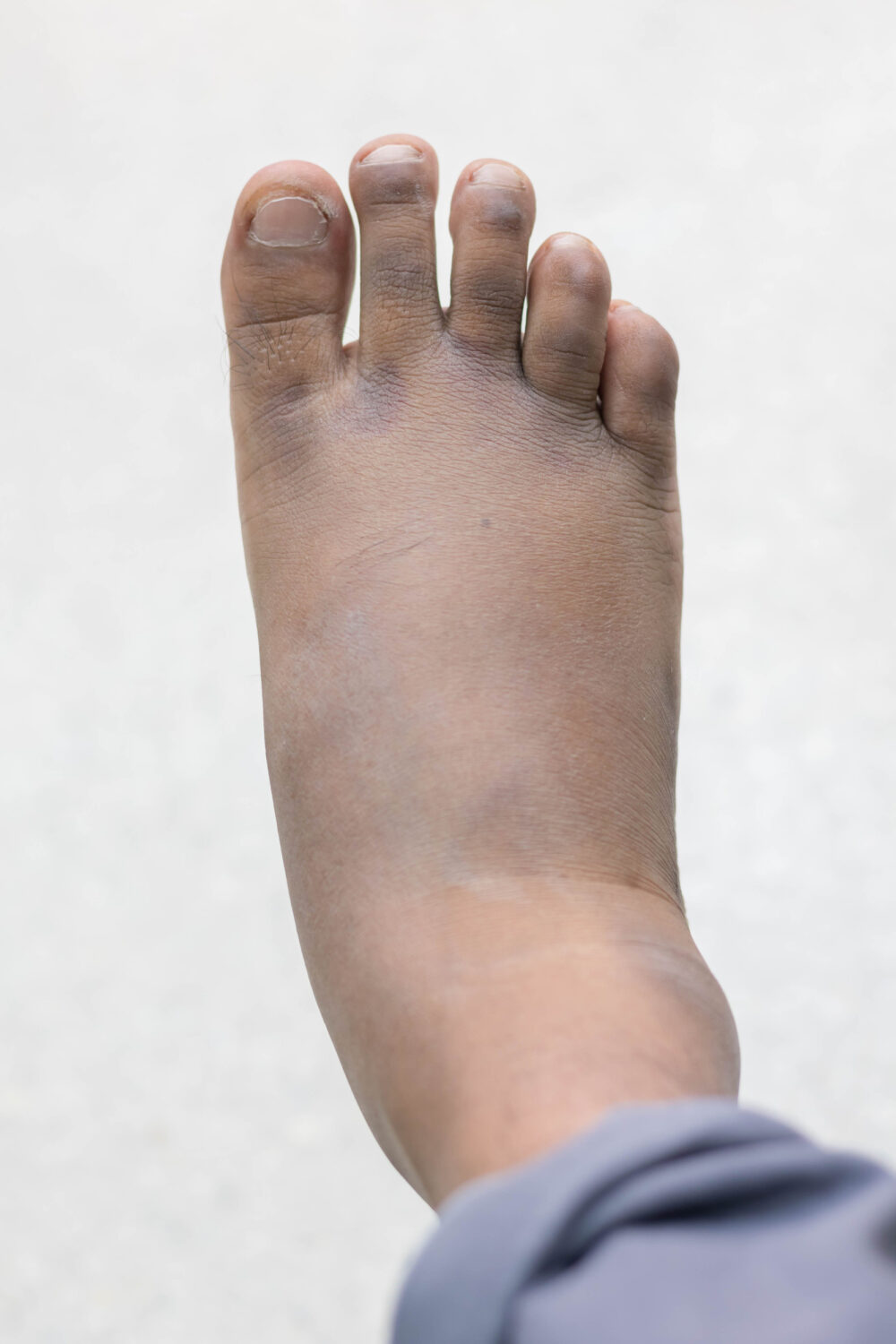
Swelling is one of those symptoms people love to explain away. We blame tight shoes, hot weather, sitting too long, salty food, or a long day on our feet. Sometimes those things really are the reason. The problem is that kidney disease can also cause swelling because weakened kidneys may struggle to remove extra fluid and sodium from the body.
This swelling may begin quietly around the ankles, feet, hands, or face. Socks may leave deeper marks than usual, shoes may feel tighter, or the face may look puffy in the morning. When swelling keeps returning, it should not be treated as a cosmetic issue. It can be a sign that the body is holding onto fluid because the kidneys are under pressure.
Feeling Tired No Matter How Much You Rest
Everyone gets tired, but kidney-related fatigue can feel different. It may feel like the body is running on a low battery even after a full night of sleep. When the kidneys do not filter waste well, toxins can build up in the blood. That buildup can leave a person feeling weak, foggy, or drained without an obvious reason.
Kidney disease can also contribute to anemia because the kidneys help the body make red blood cells. Fewer healthy red blood cells can mean less oxygen reaches the muscles and brain. That can make normal tasks feel harder than they used to. If tiredness comes with shortness of breath, pale skin, dizziness, swelling, or changes in appetite, it is worth asking for blood tests and kidney function tests.
Needing to Urinate More Often at Night
Waking up to urinate once in a while is common. Waking up repeatedly, especially when it becomes a new pattern, should get our attention. Kidney problems can affect how the body manages fluid and urine production. Some people notice they are going more often at night, even if their daytime routine has not changed much.
Nighttime urination can also be linked to diabetes, prostate problems, urinary infections, sleep issues, and certain medications. That is why testing matters. We should not assume it is normal aging or simply drinking water too late. When nighttime bathroom trips increase and are accompanied by thirst, fatigue, swelling, or high blood pressure, kidney health should be part of the conversation.
Urinating Less Than Usual
Less urine can be just as concerning as more urine. Dehydration, heavy sweating, fever, vomiting, and some medications can temporarily reduce urine output. Still, a noticeable, inexplicable drop should never be ignored. The kidneys are responsible for removing waste and extra fluid, so a major change in urine amount can signal trouble.
This is especially serious when reduced urination comes with swelling, nausea, confusion, shortness of breath, or sudden weakness. Those symptoms can suggest that fluid and waste are building up. In that case, waiting it out is not wise. A medical evaluation can help determine whether the issue is dehydration, medication-related stress, infection, obstruction, or kidney dysfunction.
Dry, Itchy Skin That Will Not Settle

Dry, itchy skin may seem far away from kidney health, but the connection is real. The kidneys help balance minerals and remove waste products from the blood. When kidney function drops, the body’s internal balance can shift. That can show up on the skin as dryness, irritation, or stubborn itching that does not respond to ordinary dry skin care.
This symptom is more concerning when accompanied by fatigue, swelling, nausea, poor appetite, or changes in urination. Lotions may help the surface, but they do not explain why the itching keeps happening. We should look more closely when skin changes accompany other bodily signals. The goal is not to fear every itch, but to recognize when the pattern is unusual.
Nausea, Poor Appetite, or a Metallic Taste
Kidney disease can affect the stomach long before people connect the dots. As waste builds up in the blood, some people feel nauseated, lose interest in food, or notice a strange taste in the mouth. Food may seem less appealing, portions may shrink, and meals that once felt normal may suddenly feel heavy.
A metallic taste or bad breath can also occur when waste products build up in the bloodstream. These symptoms can come from many causes, including reflux, infections, medications, or digestive problems. Still, when appetite changes accompany fatigue, itching, swelling, or changes in urine, kidney testing becomes important. The body may be sending a quiet warning through the digestive system.
Muscle Cramps That Keep Returning
Muscle cramps are easy to blame on exercise, dehydration, or sleeping in an awkward position. That explanation may be true, but recurrent cramps may also indicate changes in fluid and mineral balance. The kidneys help regulate important minerals such as calcium, phosphorus, sodium, and potassium. When kidney function weakens, that balance can become harder to maintain.
Cramps linked to kidney issues may happen at night or appear without a clear trigger. They can also come with weakness, restlessness, swelling, or unusual fatigue. We should not assume every cramp is serious, but recurring cramps deserve attention when other kidney warning signs are present. Lab tests can reveal whether electrolyte levels or kidney function need medical care.
High Blood Pressure That Is Hard to Control
High blood pressure is both a cause and a warning sign of kidney trouble. It can damage the small blood vessels inside the kidneys over time. Damaged kidneys can then make blood pressure harder to control because they help regulate fluid, sodium, and hormonal signals that affect blood vessel pressure.
This creates a dangerous cycle. High blood pressure strains the kidneys, and weaker kidneys can push blood pressure even higher. That is why we should take repeated high readings seriously, especially if they happen with diabetes, swelling, headaches, fatigue, or a family history of kidney failure. Blood pressure is not just a heart number. It is also a kidney warning number.
Foamy Urine That Keeps Coming Back
Foamy urine may look harmless, especially when it happens once and disappears. The concern grows when it happens often or looks unusually bubbly. One possible reason is protein leaking into the urine, which can happen when the tiny filters inside the kidneys are damaged. Healthy kidneys usually keep important proteins in the blood, so repeated foaming can be a clue that something needs checking.
We should not panic over one bathroom visit, but we should pay attention to patterns. If foamy urine appears with swelling, high blood pressure, diabetes, fatigue, or changes in urination, it deserves a doctor’s attention. A simple urine albumin test can help show whether protein is leaking into the urine. That test can catch kidney trouble before symptoms become more serious.
Diabetes With No Regular Kidney Checks

This one is less of a symptom and more of a red flag hiding in routine life. Diabetes is one of the biggest risk factors for chronic kidney disease because high blood sugar can damage the kidney’s filtering vessels. The scary part is that early diabetic kidney disease may not cause obvious symptoms. A person can feel fine and still have protein leaking into the urine.
That is why people with diabetes should ask about kidney testing even when nothing feels wrong. The two checks to know are eGFR, which estimates filtering ability, and urine albumin, which checks for protein leakage. These tests are simple, but they can reveal silent damage early. Waiting for symptoms is a risky strategy because kidney disease often whispers before it shouts.
What We Should Ask the Doctor For
The best kidney check usually starts with two tests. The first is an eGFR blood test, which estimates how well the kidneys are filtering blood. The second is a urine albumin-to-creatinine ratio test, often called UACR, which checks whether protein is leaking into the urine. Together, these tests give a clearer picture than symptoms alone.
We should ask about these tests if we have high blood pressure, diabetes, heart disease, obesity, a family history of kidney failure, repeated swelling, foamy urine, blood in urine, or unexplained fatigue. Kidney disease is easier to manage when it is found early. The goal is not to scare ourselves with every small symptom. The goal is to stop ignoring patterns that deserve a simple test.
The Quiet Message We Should Not Miss
Chronic kidney disease rarely announces itself with drama in the beginning. It often shows up as ordinary problems that feel easy to dismiss. A little swelling. A little fatigue. A little bathroom change. A little itching. That is how a serious condition can stay hidden for years.
We protect ourselves by watching patterns, knowing our risk factors, and asking for the right tests before symptoms become severe. The kidneys may be quiet, but they are not unimportant. When they start sending small signals, we should listen early.