6 Healthy Swaps That Are Actually Harming Your Cholesterol
Many of us make dietary changes believing they are heart-healthy, yet some popular swaps can quietly elevate cholesterol levels. What seems like a wholesome choice may actually carry hidden risks that affect cardiovascular health over time.
Understanding which foods contribute to cholesterol spikes is essential for anyone striving to maintain optimal heart health. We aim to highlight common dietary swaps that may appear healthy but can negatively affect cholesterol levels.
By breaking down these choices, we provide clarity for smarter eating decisions that truly support heart wellness. Awareness is the first step toward preventing the long-term consequences of high cholesterol, including heart attacks and stroke.
Plant-Based Margarine Alternatives May Be Misleading
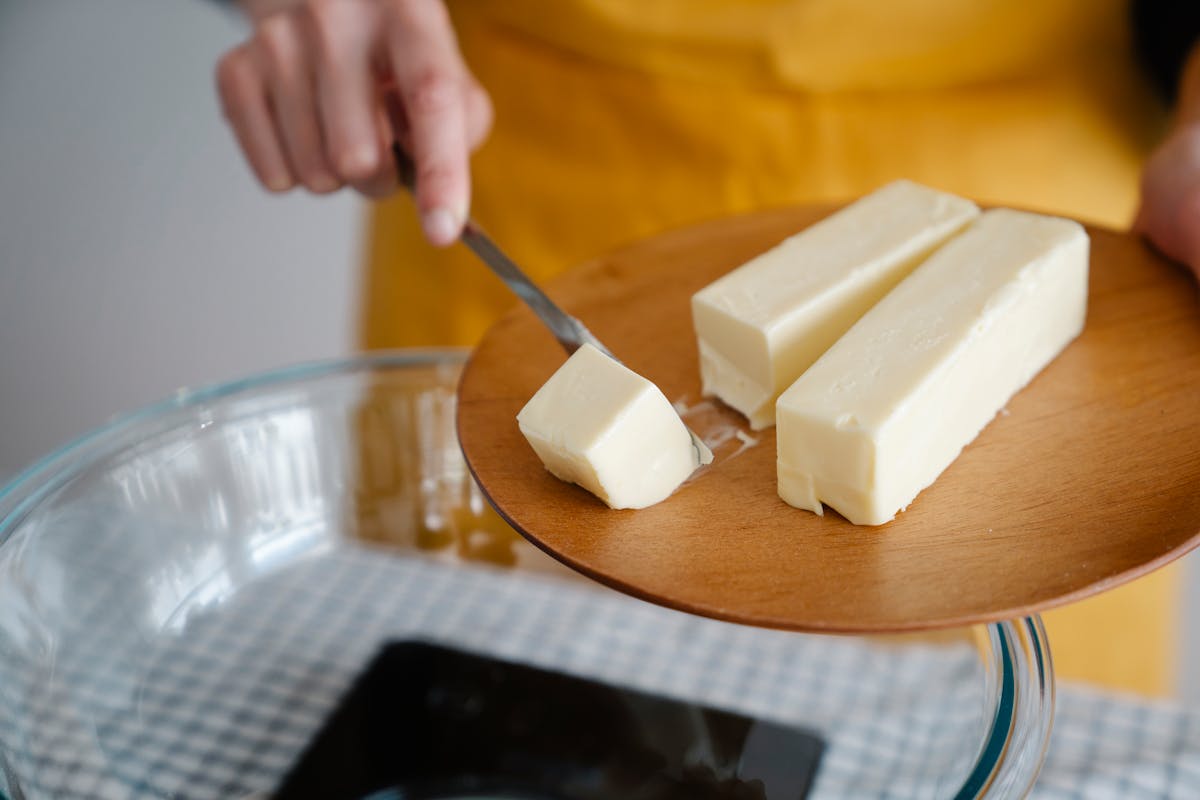
Many consumers replace butter with plant-based margarines expecting lower cholesterol, but several brands contain partially hydrogenated oils, which are high in trans fats. These trans fats can increase LDL cholesterol while lowering HDL cholesterol, effectively worsening heart health. Even products labeled “heart-healthy” can carry hidden trans fats, depending on manufacturing processes.
Choosing margarine with non-hydrogenated oils or soft spreads made from olive or avocado oil is safer. Labels must be read meticulously, as small amounts of trans fats can accumulate over daily consumption. Using natural fats in moderation, such as grass-fed butter or coconut oil, can sometimes be a more balanced approach than assuming all plant-based spreads are risk-free.
Low-Fat Dairy Can Contain Hidden Sugars
Swapping full-fat dairy for low-fat or skim varieties is often intended to reduce cholesterol intake, but these products frequently contain added sugars to compensate for the loss of flavor. High sugar consumption can lead to insulin resistance, weight gain, and, indirectly, higher triglyceride levels, which contribute to cardiovascular risk. The focus solely on fat content ignores the metabolic effects of excessive sugar in your diet.
Whole-fat dairy may actually offer a better balance of nutrients without spikes in blood sugar. Fermented options like Greek yogurt or kefir can provide probiotics and protein without hidden sweeteners. Understanding the nutritional composition beyond just fat content is critical to maintaining healthy cholesterol levels.
Grain-Based Snack Replacements Can Spike Lipids
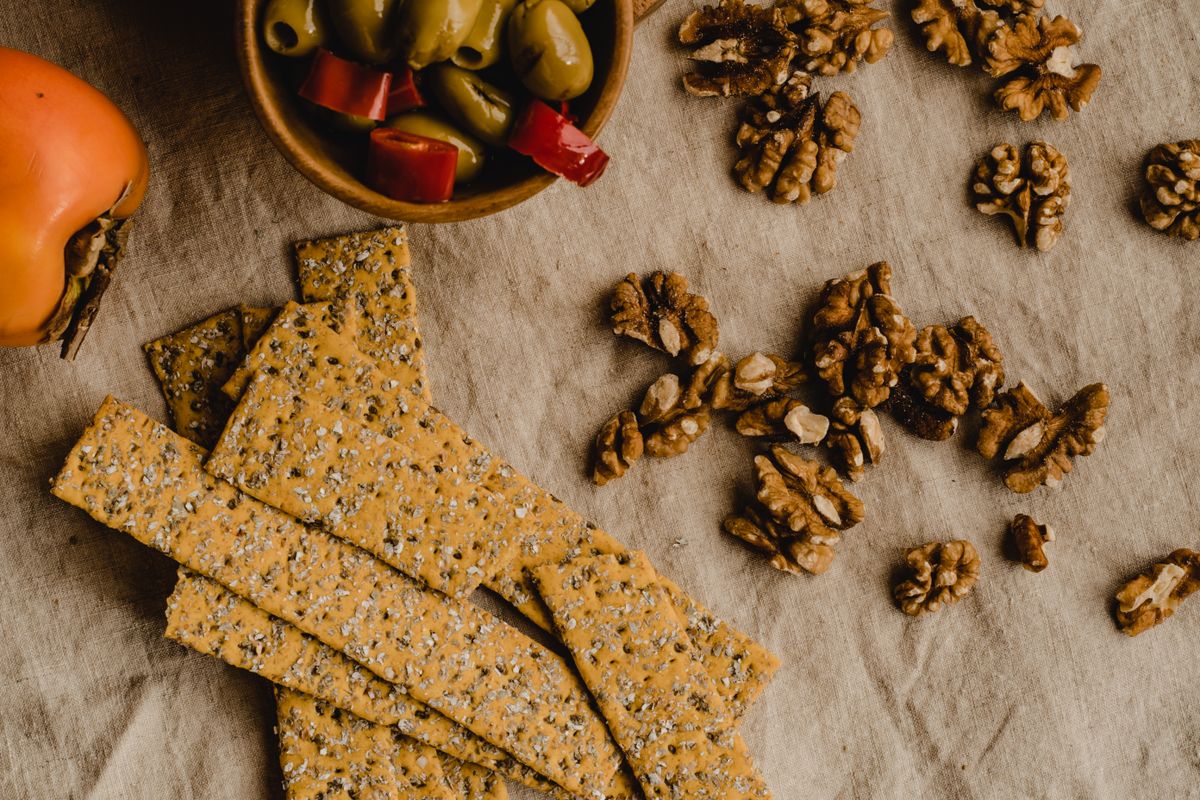
Many individuals switch from chips and fried snacks to whole-grain crackers or granola bars, assuming they are automatically heart-healthy. Unfortunately, some of these grain-based alternatives contain refined oils and sugar, which can increase triglycerides and promote cholesterol accumulation. Marketing terms such as “multigrain” or “high fiber” do not guarantee a product is free from harmful fats or excess sodium.
Choosing minimally processed whole grains, such as oats, quinoa, and barley, provides fiber without triggering adverse lipid responses. Carefully reviewing ingredient lists for sugar and oils ensures that a seemingly healthy snack does not compromise cardiovascular goals. A deliberate selection process can turn a simple snack into a cholesterol-friendly option.
Vegetable Oils Aren’t Always Cholesterol-Neutral
Switching from butter to common cooking oils like soybean, corn, or sunflower oil is widely seen as healthy, yet many of these oils are highly processed and rich in omega-6 fatty acids. Excessive omega-6 consumption can promote inflammation and impair HDL cholesterol, potentially increasing heart disease risk. Heat processing can also generate oxidized compounds that impair lipid metabolism.
Using oils with a better omega-3-to-omega-6 balance, such as extra-virgin olive oil, avocado oil, or flaxseed oil, is a smarter strategy. Cold-pressed and minimally refined oils preserve natural antioxidants that support heart function. Understanding the type and quality of oils is crucial when attempting to manage cholesterol through dietary fat choices.
Sweetened Plant-Based Milks Can Harm Heart Health

Substituting cow’s milk with almond or soy milk often seems like a healthier choice, yet wide commercial varieties contain added sugars that raise blood sugar and promote fat deposition. Regular consumption of sweetened plant milks can increase triglyceride and LDL cholesterol levels, counteracting the intended cardiovascular benefit. Even brands labeled “unsweetened” may contain subtle additives that affect metabolic response.
Opting for unsweetened versions or preparing plant-based milks at home allows control over sugar content and nutritional value. Incorporating fortified options ensures intake of calcium and vitamin D without compromising cholesterol management. Understanding product composition is key to avoiding unintended health consequences from seemingly harmless swaps.
Heart-Healthy Baked Goods May Be Deceptive

Consumers often replace fried desserts with baked versions marketed as low-fat or heart-conscious. Many baked goods still contain saturated fats, refined flour, and hidden trans fats, which can elevate cholesterol and triglycerides. The label can mislead by implying safety when the metabolic effect may still be harmful to cardiovascular health.
Selecting recipes that incorporate whole grains, natural sweeteners, and healthy fats is essential. Homemade or carefully vetted baked goods reduce exposure to harmful fats while satisfying cravings. Awareness of ingredient quality is essential to ensuring these swaps truly support healthy lipid profiles.
Making these common dietary swaps without scrutinizing ingredients and processing can lead to elevated LDL cholesterol, lower HDL levels, and increased cardiovascular risk. True heart-healthy choices require a comprehensive understanding of nutrient content, processing, and overall dietary balance. Conscious decisions, combined with moderation and variety, are the most effective approach to protecting cholesterol levels and supporting long-term heart health.