How Fred Trump’s Biggest Scandals Revealed the Trump Family Legacy
When you think of the Trump dynasty, headlines usually begin with Donald J. Trump, business mogul, reality TV star, two‑time U.S. president. But long before the world knew his name, the first cracks in the Trump family’s reputation appeared amid controversies surrounding his father, Fred C. Trump. And those early conflicts weren’t minor; they foreshadowed decades of legal battles, public disputes, and a combative approach to critics that would define the Trump brand.

Fred Trump built one of New York’s largest housing empires in the mid‑20th century, but his rise wasn’t without serious scrutiny. The scandals that swirled around his business practices, especially racial discrimination lawsuits, didn’t just impact his bottom line. They helped shape a family legacy of confrontation, denial, and optics over accountability.
Let’s unpack how these scandals unfolded and what they revealed about a family that went from Queens real estate to the White House.
Fred Trump’s Early Business Controversies: The First Red Flags
Fred Trump wasn’t a small‑time developer. By the 1950s and 1960s, he had skyrocketed from modest Queens projects to major apartment complexes across New York City. But as his empire expanded, so did questions about how he achieved that growth.
Government investigations during that period accused him of inflating construction costs and misusing government funds intended to support affordable housing. Those funds, tied to federally insured loans, helped Trump build large developments, but critics claimed his pricing and accounting practices stretched the rules in ways that benefited him far more than taxpayers.
There were no criminal convictions tied to these early investigations, but the scrutiny planted a seed: Fred Trump’s success might not have come purely through hard work and market savvy, but also through aggressive leveraging of public programs and dubious accounting decisions.
This early phase of his career revealed a pattern that would recur throughout the Trump story, an inclination to push legal boundaries and fight back hard whenever challenged.
The 1973 Housing Discrimination Lawsuit: A Generational Flashpoint
The most consequential scandal of Fred Trump’s career arrived in October 1973, when the U.S. Department of Justice filed a federal civil rights lawsuit against Fred, his son Donald, and their company, Trump Management, Inc. The complaint alleged systemic violations of the Fair Housing Act of 1968 at Trump‑owned rental properties in Brooklyn, Queens, and Staten Island.
What the Government Claimed
Investigators and housing advocates found a disturbing pattern: prospective Black and Puerto Rican renters were often told there were no vacancies at Trump buildings, even when apartments were available, and white applicants were given tours or offered units. The suit also cited evidence that rental applications were coded by race to steer non‑white applicants away from the best apartments.
According to historical records:
The government alleged that Trump employees used race‑based codes next to applicants’ names and that Black renters were routinely discouraged or misled about available units, violating the Fair Housing Act.
This wasn’t a minor complaint. The Justice Department said that more than 14,000 apartments across dozens of Trump‑managed buildings were part of the allegations.

Trump’s Response: Deny, Countersue, and Drag It Out
Rather than accepting the claims, Fred and Donald Trump went on the offensive. They hired controversial lawyer Roy Cohn, a high‑profile fixer known for his aggressive tactics, to lead the defense.
In a bold legal countermove, the Trumps filed a $100 million counterclaim, accusing the Justice Department of defamation and claiming the government’s allegations were irresponsible and false.
A federal judge quickly threw out the countersuit, calling it a waste of “time and paper,” but the move underscored a strategy that would become a hallmark of Trump’s legal battles: deny, deflect, and litigate aggressively.
How It Ended: A Consent Decree, Not a Verdict
After nearly two years of litigation, the lawsuit wasn’t decided by a jury verdict. Instead, in June 1975, both sides reached a consent decree, a court-enforced settlement that did not require an admission of guilt by the Trumps.
Under that decree:
- Trump Management was prohibited from engaging in discriminatory housing practices.
- They were required to advertise vacancies to minority communities and partner with groups like the Urban League.
- They had to educate themselves on the requirements of the Fair Housing Act.
- They also had to provide regular reports about vacancies and rental practices to federal authorities.
The Trumps publicly emphasized that the settlement did not include any admission of guilt, a detail that Donald Trump would later cite repeatedly in political debates and interviews.
In official court language, the government maintained that the Trumps “failed and neglected” to follow fair housing laws, even as the company avoided formal liability.
What These Scandals Mean for the Trump Legacy
History seldom offers neat conclusions, especially in convoluted court battles like this one. But Fred Trump’s legal entanglements and the family’s response to them reveal three defining traits that would echo across generations of Trumps:
- A Legacy of Combative Legal Strategy
Long before Donald Trump became known for legal defiance, Fred Trump set the tone: fight every allegation, push back against authorities, and frame any settlement as a “win.” The use of Roy Cohn, a lawyer later infamous for his role in other controversial cases, signaled a willingness to bring the hardest punches early.
This ethos didn’t stop in the 1970s. Decades later, Donald Trump would adopt the same approach in lawsuits ranging from contract disputes to defamation claims and even political investigations.
- Wealth Built on Opportunity, and Controversy
Fred Trump’s empire was fueled by government programs and aggressive profit maximization, even amid allegations of improper conduct. That combination of business acumen and controversial tactics helped establish a family model for success that prioritized results over reputation.
Whether it was inflated construction costs in the 1960s or real estate deals that benefited from tax incentives and subsidies, critics argued that Fred Trump’s rise was built on exploiting every avenue available.
- Race, Power, and Public Perception
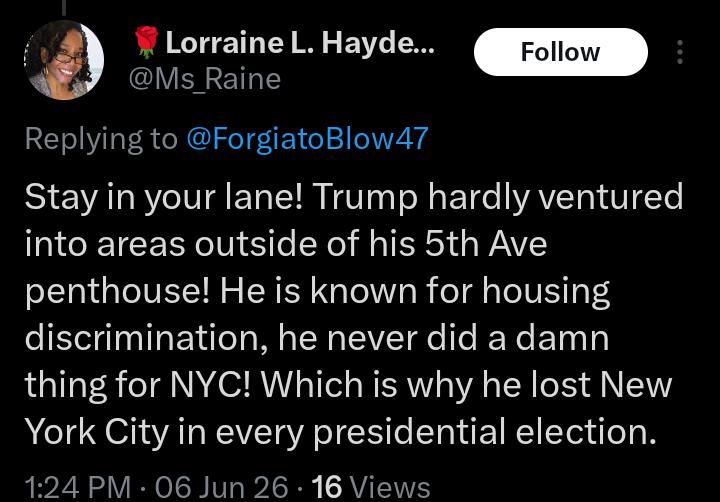
If there’s a single episode in Fred Trump’s scandals that still resonates today, it’s the housing discrimination case. It became more than a legal dispute; it was a flashpoint in America’s ongoing struggle with race and equality.
Even though the final consent decree did not include an admission of guilt, the allegations and the public dispute thrust one of the nation’s most powerful landlord families into the center of civil‑rights discourse in the 1970s.
For historians and legal scholars, the legacy of the case still raises questions about how patterns of discrimination operated in American cities long after federal laws were supposed to end such practices.
Fred Trump’s controversies weren’t buried in dusty court archives; they became part of the foundation of the Trump narrative.
Long before anyone heard of The Apprentice or a Trump in the Oval Office, the family name was already enmeshed in federal lawsuits, civil rights disputes, and headline‑grabbing legal clashes. Those early battles helped define a family ethos: don’t flinch in the face of allegations, frame settlement as success, and keep the focus on strength and resilience.
Whether you view the Trump legacy as an example of business prowess or a story of confrontation with public institutions, these scandals reveal how the family learned, in both strategic and controversial ways, to control their narrative long before the world was listening.