Why Cannabis Feels Ineffective: 12 Overlooked Reasons You May Smoke Weed and Feel Nothing
Cannabis has a reputation for delivering a dramatic high, but the experience is often far subtler than expected. Many users light up, vape, or eat edibles only to find that nothing seems to happen. Understanding why this occurs requires looking beyond THC levels to include biology, psychology, product formulation, and personal lifestyle.
The truth is that cannabis interacts with a complex system in your body. From gut microbiome variations to circadian rhythms, tolerance, and even expectations, the reasons cannabis may feel weak or nonexistent are numerous. Exploring these factors can help users better predict and understand their experience.
Inhalation Technique Determines Effectiveness

How cannabis is inhaled directly affects how much THC enters the bloodstream. Puffing too quickly, not drawing smoke deep enough, or exhaling prematurely can prevent adequate absorption. New users often experience harsh smoke or coughing that limits effective intake, reducing the overall experience.
Optimizing inhalation technique, such as taking slower, deeper breaths and allowing smoke to reach the lungs briefly, can increase THC absorption. Even minor improvements in delivery can dramatically change the perceived potency of cannabis.
Gut Microbiome Influences Edible Absorption
Recent research suggests that gut health impacts how THC is metabolized. Enzymes produced by gut microbiota can alter the conversion of THC into active compounds, affecting both onset and intensity.
This explains why identical edible doses can feel drastically different for different users or even for the same user on different days. Gut health, diet, and digestion can therefore influence the effectiveness of cannabis edibles.
Circadian Rhythms Affect Cannabis Response
The body’s internal clock interacts with the endocannabinoid system, which regulates many physiological functions. Cannabis consumed at different times of day may have varying effects depending on sleep-wake cycles and hormonal fluctuations.
Morning versus evening consumption, or using cannabis around sleep patterns, can influence perceived intensity and duration. Paying attention to timing can enhance predictability and user satisfaction.
Tolerance Reduces the Perceived High
Frequent cannabis use increases tolerance, making familiar doses feel weaker. Repeated exposure leads to a downregulation of CB1 receptors in the brain, which diminishes THC’s psychoactive impact over time.
This can create a cycle where users chase higher THC products without regaining the same intensity. Occasional breaks, varied product types, or adjusting consumption patterns can help manage tolerance effectively.
Lifestyle Interactions Modify Experience
Substances like caffeine or alcohol, exercise habits, sleep quality, and stress levels can amplify, dampen, or delay cannabis effects. For example, a stressed or sleep-deprived individual may perceive subtle effects as nonexistent.
Understanding these lifestyle interactions allows users to adjust consumption for optimal results. Strategic pairing of cannabis use with rest, nutrition, and daily routine can improve consistency and satisfaction.
THC Content Alone Does Not Guarantee a High
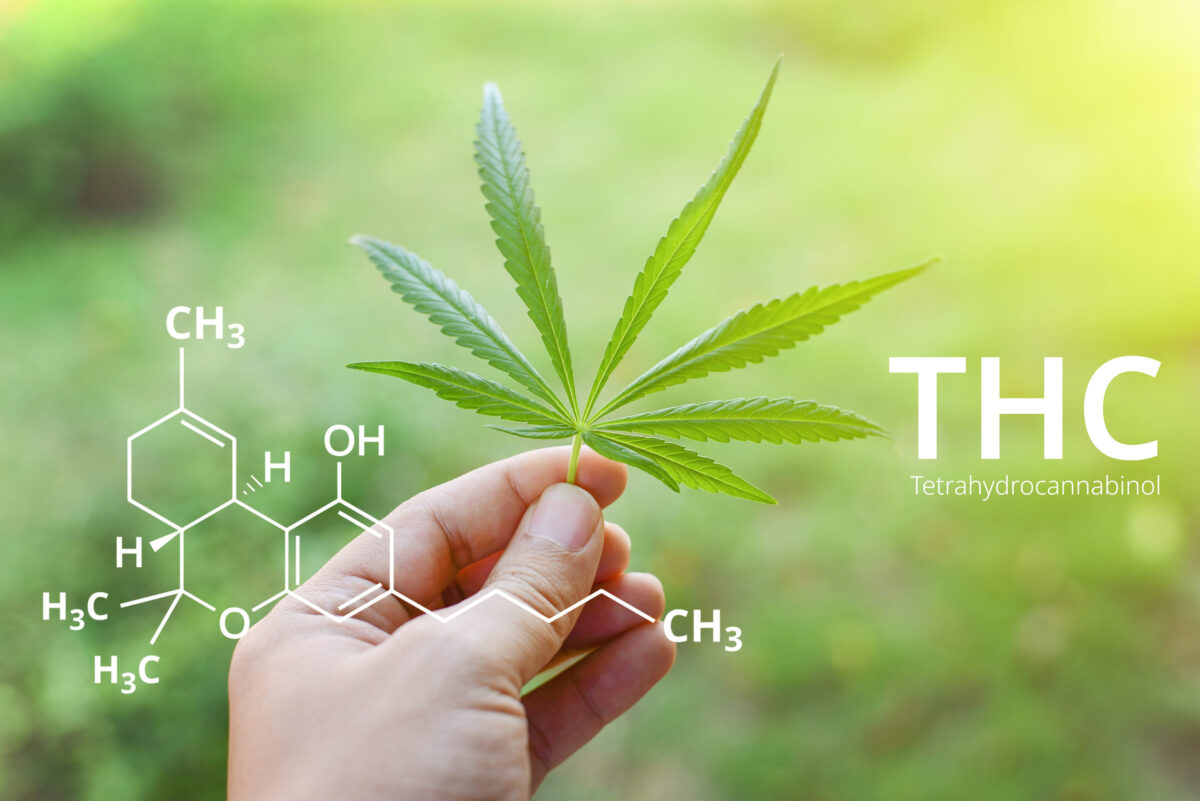
High THC levels do not always translate to a noticeable effect. Products with modest THC or those designed for wellness, relaxation, or medical purposes may feel underwhelming. Labels emphasizing terms like full-spectrum or hybrid can mislead users into overestimating potency.
Additionally, products containing high CBD levels often provide subtle relaxation without intoxication. Understanding cannabinoid ratios and selecting products aligned with desired outcomes can prevent disappointment and improve predictability.
CBD-Dominant Products Produce Milder Experiences
Cannabidiol, or CBD, is non-intoxicating and can modulate the psychoactive effects of THC. Users consuming CBD-heavy products may notice only light relaxation or calm without a pronounced high.
This effect is particularly pronounced when CBD and THC are present in balanced ratios. Users seeking the euphoric or psychoactive effects of THC may find such products misleading unless they examine cannabinoid composition carefully.
The First-Time No-High Phenomenon
Many first-time users report that cannabis does little or nothing the first time they try it. This is often because the effects are subtle and unfamiliar rather than absent. Initial experiences may manifest as mild relaxation, minor shifts in perception, or subtle mood changes, which can be easily overlooked.
Expecting dramatic euphoria can make a first encounter feel disappointing. Awareness of subtle signs such as increased calm, a slight change in focus, or altered sensory perception can help users recognize that cannabis is working even if the effects are not immediately obvious.
Expectations and Mindset Are Critical
Perception of cannabis is influenced by what a user expects. Individuals anticipating a pronounced high may overlook subtle changes in mood, focus, or sensation.
This psychological filter is especially relevant for first-time users or those influenced by media portrayals. Calibrating expectations to realistic, observable effects can prevent misinterpreting the experience as ineffective.
High-THC Products Can Accelerate Tolerance
Paradoxically, using extremely potent cannabis can intensify tolerance more quickly. Users may start with flower and escalate to concentrates or dabs, only to find that their high diminishes despite higher doses.
Understanding the long-term effects of consistent high-THC use can prevent frustration. Strategic moderation and rotation of product types allow users to maintain sensitivity without overexposure.
Edibles Require Patience
Edibles follow a different absorption pathway through digestion and liver metabolism, delaying the onset of effects. Users often misinterpret the initial lack of sensation as ineffectiveness and may take additional doses prematurely, which can lead to more intense effects later.
Full effects may take one to four hours, and individual metabolism can further extend or shorten this timeframe. Educating users on timing prevents both disappointment and overconsumption.
Product Quality and Storage Matter
Cannabis potency can degrade due to heat, light, moisture, and prolonged storage. Older, poorly stored products may produce weaker effects despite labeled THC content.
Additionally, discrepancies in testing and labeling in unregulated markets can result in inconsistent experiences. Prioritizing fresh, high-quality products ensures a predictable and effective outcome.
Genetics and Biochemistry Shape Perception

Genetic factors determine how the body metabolizes THC. Enzymes like CYP2C9 and liver function influence how quickly THC converts into psychoactive or inactive metabolites. Fat composition, blood lipid levels, and metabolic rate can also alter effects.
This biochemical variability explains why two individuals can consume the same cannabis product and experience vastly different outcomes. Recognizing this adds a personalized perspective that goes beyond generic dosing advice.
Final Insights on Ineffective Cannabis Experiences
Cannabis does not behave like a single, predictable substance. From genetics and metabolism to tolerance, lifestyle, circadian timing, gut health, product formulation, and expectations, countless factors influence its perceived effect. Recognizing these nuances helps users adjust approach, dosage, timing, and expectations, transforming a frustrating experience into a manageable, insightful, and effective interaction with cannabis.
Understanding cannabis in this multi-layered way reframes the narrative. Ineffectiveness is rarely a sign of resistance but often a signal to explore the broader biological, psychological, and environmental context. Thoughtful adjustments can turn a missed high into a well-calibrated, enjoyable experience.