California Gas Prices Are Near Record Territory, and Drivers Are Feeling Every Dollar
For California drivers, the gas pump has started to feel less like a routine stop and more like a weekly financial ambush. A quick fill-up that once felt annoying now feels punishing. Families are doing the math in the front seat, delivery drivers are watching profits shrink, and commuters are learning that a few extra dollars per gallon can quietly eat into groceries, rent, and summer plans.
California has always been one of the most expensive states for fuel, but the latest prices have pushed the pain into sharper focus. According to AAA data from June 11, California’s average price for regular gasoline was $5.809 per gallon, compared with a national average of $4.129. That means drivers in the Golden State are paying about $1.68 more for every gallon than the typical U.S. driver.
That gap does not sound shocking until it lands inside a real household budget. A 12-gallon fill-up costs about $69.71 in California at that average price. At the national average, the same fill-up costs about $49.55. That is roughly $20 more every time a California driver fills the tank.
The pump is taking a bigger bite

The clearest way to understand California’s gas problem is not through charts or policy debates. It is through the moment a driver watches the pump climb past $50, then $60, then $70 before the tank is even full. That moment is where the statewide average becomes personal.
Compared with one year ago, California drivers are paying about $1.13 more per gallon for regular gas. For a 12-gallon tank, that is about $13.61 more per fill-up than last year. For a 15-gallon tank, it is about $17 more. For a family that fills up once a week, the added cost can easily climb into the hundreds over a year.
The damage grows faster for people who cannot simply drive less. Nurses, warehouse workers, teachers, construction crews, rideshare drivers, caregivers, and parents with long school drop-offs often have no easy escape. In a state where many workers live far from where they work, high gas prices become a quiet commuter tax.
California is far above the national average
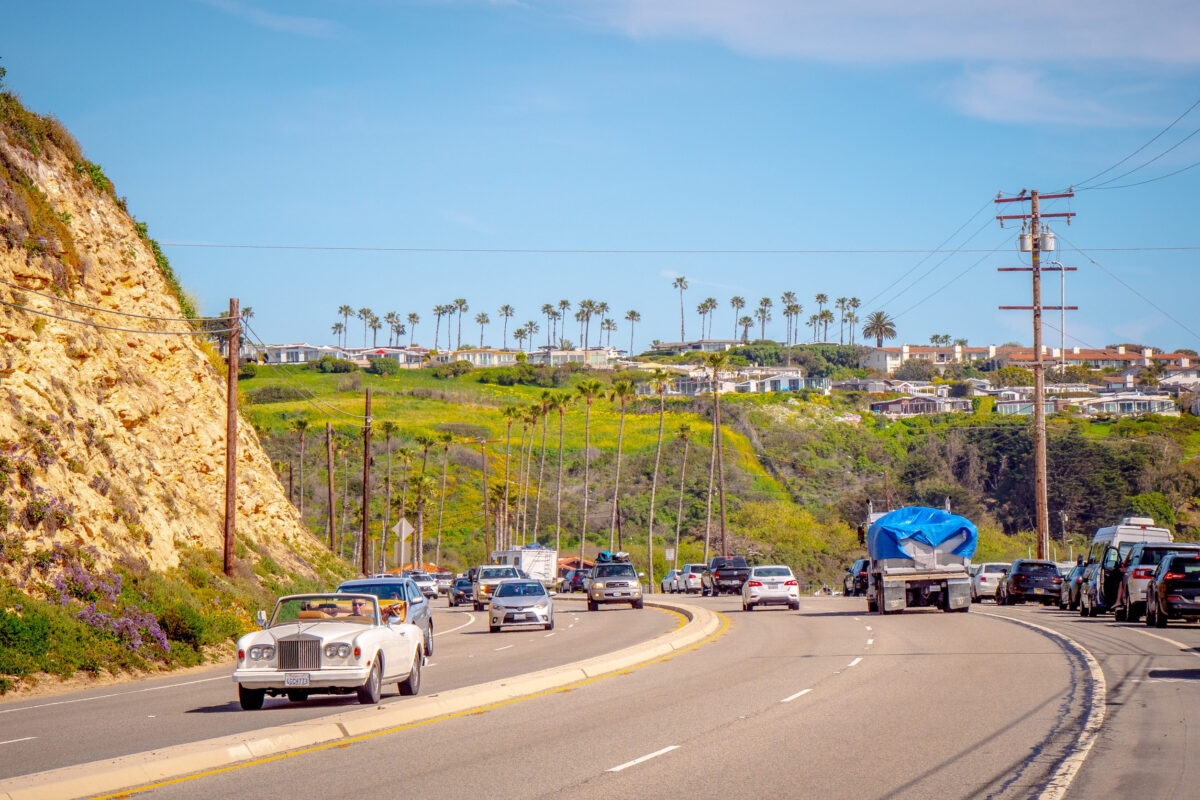
California’s price gap is not just a small West Coast difference. It is one of the biggest fuel gaps in the country. When the national average sits near $4.13 and California sits near $5.81, the state is operating in a different financial reality.
A driver using 50 gallons a month pays about $290.45 at California’s average price. At the national average, that same fuel use costs about $206.45. That is an extra $84 a month just for living and driving in California. Over a year, that difference is more than $1,000.
That number matters because gas does not stand alone. It hits alongside rent, insurance, groceries, car payments, repairs, child care, and utility bills. For many households, the pump is not the biggest bill, but it is one of the most unavoidable. It shows up again and again, sometimes several times in a single week.
Diesel is making everything more expensive
While regular gas gets the attention, diesel prices may be doing even more damage behind the scenes. California diesel prices recently reached record levels in 2026, and diesel remains painfully expensive for truckers, contractors, farmers, delivery fleets, and small businesses.
That matters because diesel moves the economy. It powers freight trucks, work vehicles, construction equipment, farm machinery, and delivery routes. When diesel gets more expensive, the cost does not stay inside the fuel tank. It travels into shipping bills, restaurant supply costs, grocery prices, building projects, and service fees.
A small business with two diesel trucks can feel the hit immediately. A contractor driving between job sites may spend far more before earning a dollar. A local delivery company may have to choose between raising fees or absorbing losses. Eventually, many of those costs work their way back to ordinary customers.
A full tank now feels like a small bill
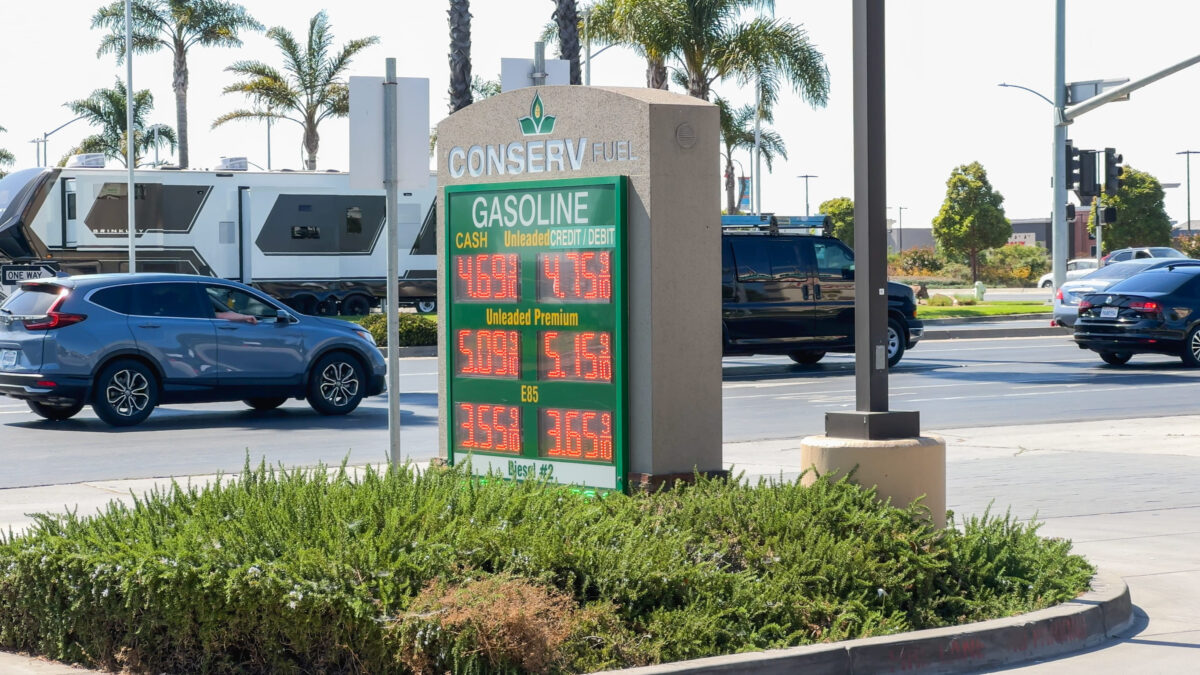
For many Californians, the emotional part of high gas prices is how ordinary the expense feels. It is not a luxury purchase. It is not a vacation. It is not a night out. It is just the price of getting to work, school, the doctor, the grocery store, and home again.
At $5.809 per gallon, a 10-gallon purchase costs about $58.09. A 12-gallon fill-up costs nearly $70. A 15-gallon fill-up costs about $87.14. For drivers with larger vehicles, vans, pickups, or older cars with lower mileage, the numbers climb even faster.
This is why the gas price story lands so hard in California. It does not only affect people taking long road trips. It affects the parent doing school pickup, the worker crossing county lines, the college student commuting from home, and the retiree driving to medical appointments. The cost is repetitive, practical, and hard to dodge.
The year-over-year jump is painful
The biggest shock is not just that California gas is expensive. Californians are used to being above the national average. The deeper pain is how much more people are paying compared with last year.
AAA’s data shows California regular gas at $4.675 a year earlier and $5.809 now. That is an increase of about $1.134 per gallon. For a household using 60 gallons a month, that adds about $68 per month compared with last year. Over 12 months, that is more than $800 in added fuel costs.
That kind of increase changes behavior. Some families delay weekend trips. Some workers turn down distant shifts. Some people combine errands into one long loop. Others start watching gas station signs the way they watch grocery coupons, hoping to save a few dollars before the next payday.
Why California pays more

California’s fuel prices are shaped by several forces at once. The state has higher taxes and fees than many parts of the country. It also uses cleaner-burning gasoline blends designed to reduce air pollution, which can cost more to produce. California’s fuel market is also more isolated than many other regions, making it harder to quickly replace supply when refineries, imports, or global oil markets face disruptions.
The California Energy Commission has also noted that refining and distribution margins tend to be higher in the state because of operating costs and transportation needs. State climate programs, including the Low Carbon Fuel Standard and cap-and-trade, also add costs to each gallon.
That mix creates a fuel market where prices can rise quickly and stay stubbornly high. When global oil prices jump, California feels it. When refinery issues appear, California feels it. When summer travel demand increases, California feels it. The state has less room for error than cheaper, more connected fuel markets.
Taxes are part of the bill
California drivers also pay fuel taxes that help fund transportation infrastructure. Starting July 1, 2026, the state motor vehicle fuel tax is listed at 63.4 cents per gallon, up from 61.2 cents in 2025. That is before adding the federal gas tax and any applicable sales taxes.
For drivers, the policy debate may feel distant. The pump does not separate the cost into neat emotional categories. It simply gives one final number. Whether the added cost comes from crude oil, refining, taxes, climate programs, transportation, or station margins, the driver pays it all at once.
That is why gas prices become such a powerful local issue. People may disagree about what causes the pain, but they agree on where they feel it. They feel it at the pump, in the monthly budget, and in the choices they make after filling up.
Commuters are trapped
High gas prices hurt most when people have no realistic alternative. In many California communities, public transportation is limited, housing is far from job centers, and remote work is not available to everyone. A worker in Riverside commuting toward Los Angeles, a family in the Central Valley, or a service worker driving across the Bay Area cannot simply decide to stop driving.
This is where the price gap becomes unfair in daily life. Higher-income drivers may complain, but they can usually absorb the cost. Lower-income workers may have to cut somewhere else. That could mean fewer groceries, delayed car repairs, skipped activities for children, or growing credit card balances.
Gas prices also punish older vehicles. People who can afford newer hybrid or electric cars have more ways to soften the blow. People driving older, less efficient cars often pay the highest share of their income just to keep moving.
Small businesses feel the squeeze
California’s fuel prices are not only a household story. They are a small business story, too. Landscapers, food truck owners, mobile mechanics, cleaners, plumbers, electricians, delivery drivers, and contractors often depend on vehicles every day.
When fuel costs rise, every job becomes more expensive to reach. A business owner may spend more getting to a customer than expected. A delivery route may become less profitable. A service call across town may require a higher fee. Customers may push back, but the business cannot make fuel cheaper.
This creates a painful chain reaction. The driver pays more. The business pays more. The customer pays more. In a state already known for high living costs, expensive gas becomes another pressure point in the price of ordinary services.
Summer travel may get harder
California’s high fuel prices are arriving as many families think about summer travel. A weekend drive to the coast, a trip to Yosemite, a visit to relatives, or a quick escape from the city now carries a larger price tag before food, lodging, or tickets are included.
A 300-mile round trip in a car getting 25 miles per gallon requires about 12 gallons of gas. At California’s average price, that fuel alone costs nearly $70. If the vehicle gets worse mileage or the trip is longer, the cost rises quickly.
That does not mean people will stop traveling altogether. It means they may travel differently. Some will shorten trips. Some will carpool. Some will choose closer destinations. Others will skip the trip and stay home, which can also hurt tourism towns that depend on weekend visitors.