
Afghan Women Say One Clothing Rule Has Made Leaving Home Feel Dangerous
Imagine standing in front of your mirror and wondering whether your outfit could put you in danger.
Not whether it looks good. Not whether it is too casual. Not whether it fits the weather, your job, your mood, or your body. Imagine asking whether a scarf, a sleeve, a face covering, or a small mistake could keep you from getting to work, school, the market, or a doctor.
That is the fear many Afghan women say they are living with after a reported crackdown in Herat over women’s clothing rules. What may sound from a distance like a debate about dress is, for them, something much heavier. It is about movement, safety, dignity, work, healthcare, and the right to exist in public without terror sitting on the shoulder.
For American women reading this over coffee, in a school pickup line, during a lunch break, or while scrolling in bed, the story may feel far away. But the feeling at its center is painfully familiar. Every woman understands the quiet math of safety. Every woman knows what it means to think before walking out the door.
In Herat, that calculation has reportedly become much darker.
The Mirror Has Become a Place of Fear
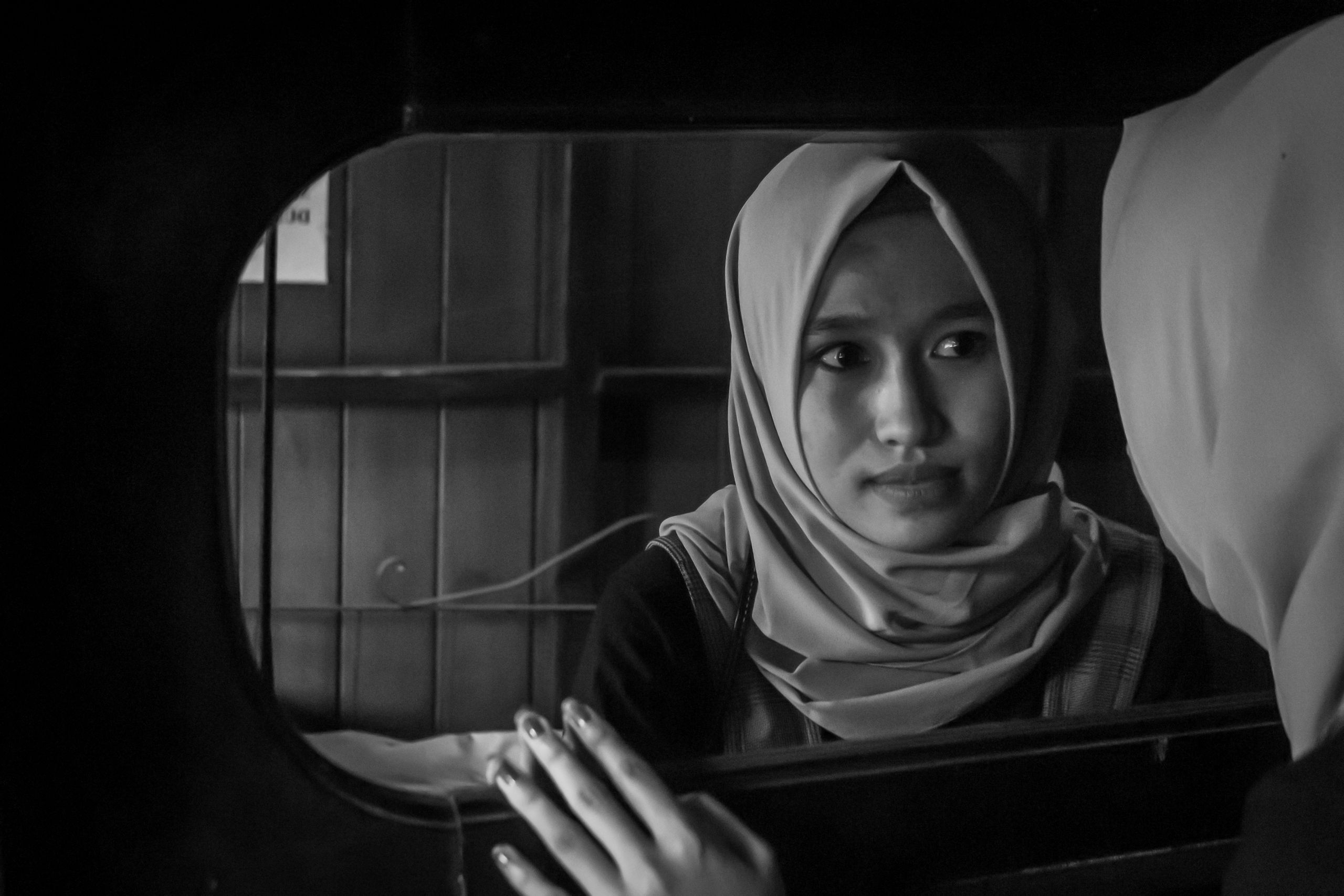
For many women, getting dressed is a normal part of the day. It can be practical, expressive, rushed, joyful, or annoying. In Afghanistan, under the latest reported enforcement in Herat, women say it can feel like a test with consequences.
Reports say women and girls have been detained over alleged violations of dress rules. Some were later released, but fear does not leave easily after a warning like that. In communities where one woman is stopped, many more may decide not to leave home at all.
That is how control spreads. It does not always need to knock on every door. Sometimes it only needs to make every woman wonder if she could be next.
For a mother, that may mean thinking twice before taking a child to the clinic. For a young woman, it may mean missing a class, a job, or a chance to see a friend. For a healthcare worker, it may mean the trip to work feels as risky as the work itself.
This is why the issue is bigger than clothing. A rule about what women wear can quickly become a rule about where women can go.
American Women Know This Fear in a Different Way
Afghan women are facing conditions that most American women do not face. Still, the emotional entry point is not hard to understand.
Many women in the United States know what it feels like to scan a parking lot at night, hold keys between their fingers, send a location to a friend, avoid certain streets, or change clothes because they do not want unwanted attention. That does not make the situations equal, but it makes the fear recognizable.
Now imagine that fear backed by official enforcement. Imagine the anxiety of public judgment turning into the possibility of detention. Imagine worrying that your clothing could keep you from earning a paycheck, helping patients, or simply buying food.
That is what makes the reports from Herat so disturbing. They touch a nerve that crosses borders. They remind women everywhere that freedom is not only written in laws. It is felt in the body when you open the front door.
If a woman cannot step outside without fear, her world shrinks before anyone says the word prison.
Working Women May Pay the Price
One of the most alarming details involves women trying to do essential work.
A medical worker with Doctors Without Borders was reportedly detained while on her way to work. That detail matters because healthcare is one of the few spaces where Afghan women have still been able to serve in limited ways.
When female healthcare workers are afraid to travel, the damage spreads. Women patients may struggle to get care. Pregnant women may lose access to trusted support. Families may delay treatment because the women they need are no longer able to reach them safely.
This is where a dress crackdown becomes a community crisis. It not only affects the woman who is stopped on the road. It affects every patient she was going to help, every family depending on her, and every girl watching what happens when a woman tries to work.
Women’s labor is often treated as invisible until it disappears. Then everyone feels the loss.
In Afghanistan, that loss could be devastating. When women are pushed out of public life, the damage does not stay private. It reaches hospitals, schools, homes, and entire communities.
The Fear Is Not Just About Fabric
To outsiders, it may be tempting to reduce this story to a piece of clothing. That would miss the point.
The deeper fear is uncertainty. Women may not always know what will be judged acceptable. They may wonder whether a face covering is enough, whether a scarf is placed correctly, whether a uniform will be accepted, or whether a public trip will draw unwanted attention.
That kind of uncertainty trains women to police themselves before anyone else does. It makes the mind run ahead of the body. It turns every errand into a risk assessment.
For women who remember life before the Taliban returned to power in 2021, the emotional weight is even heavier. Many once studied, worked, traveled, taught, built careers, and moved through cities with more freedom. Now, many women say their lives have narrowed step by step.
A door closes here. A classroom closes there. A workplace disappears. A public space becomes tense. A dress rule becomes another wall.
The tragedy is not only what is taken in one day. It is what disappears slowly until a woman can barely recognize her own life.
Protest Shows the Pain Is Spreading
The reports from Herat did not stay quiet.
A rare protest followed the reported detentions, and rights monitors later raised concern about the force used against demonstrators. In a country where protest can carry serious risk, even a small public gathering says something powerful.
It says the fear is real. It says the frustration has reached families, neighbors, and communities. It says some people are no longer willing to pretend this is only about clothing.
For women, protest in this environment can be especially dangerous. Speaking out may bring pressure. Being seen may bring consequences. Even being near a protest can feel risky.
That is why courage matters. The people who speak under pressure are not doing it for attention. They are often doing it because silence has become unbearable.
For the rest of the world, the lesson is simple. When women risk their safety just to say they want to move, learn, work, and live with dignity, their voices deserve more than a passing glance.
The World Cannot Treat This as Old News
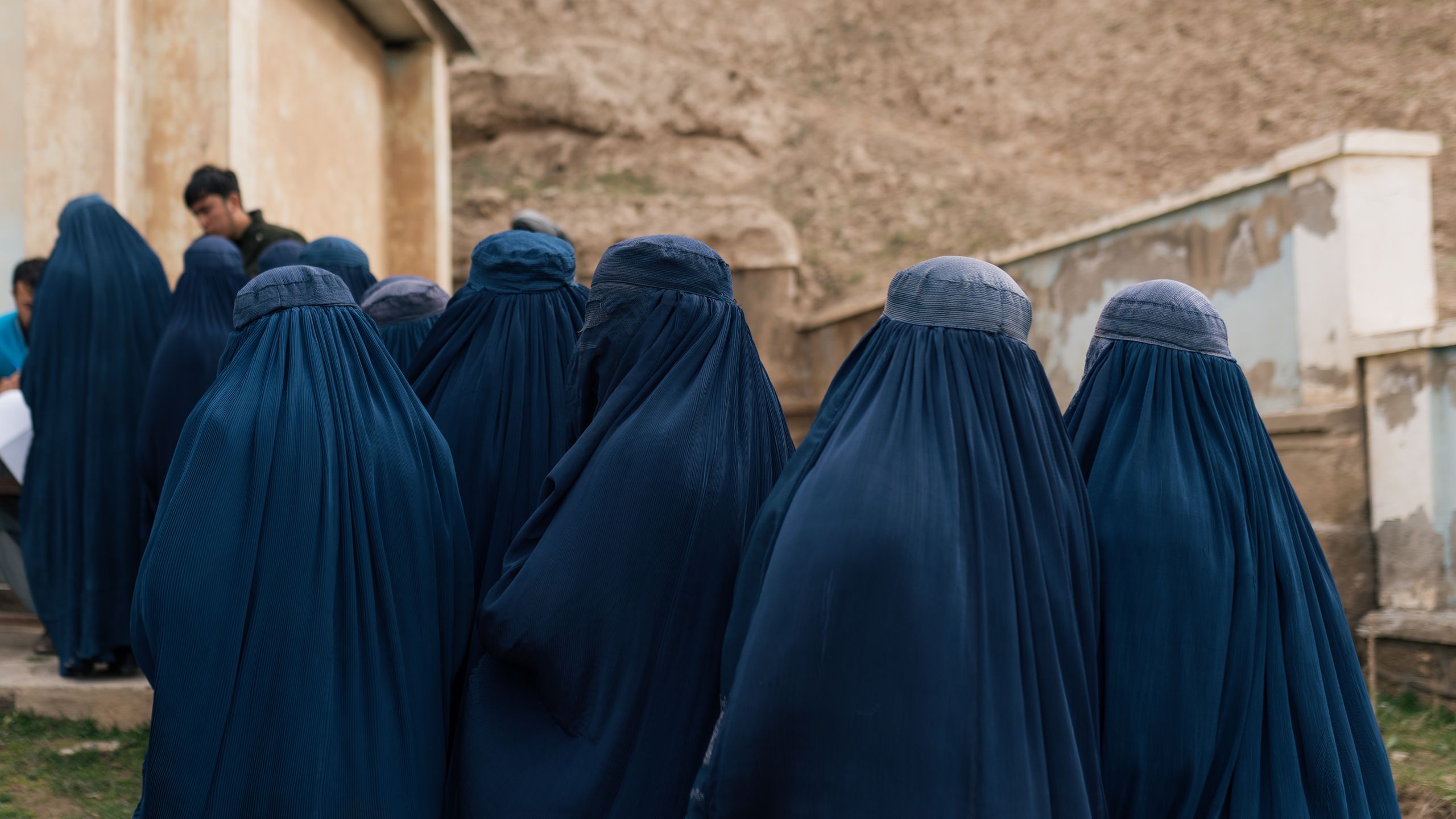
Afghan women have been the subject of many headlines since 2021. That creates a dangerous problem: the world can start to grow numb.
One restriction becomes another update. One ban becomes another paragraph. One crackdown becomes another story people scroll past before dinner. But for the women living it, none of this is old news.
It is morning. It is afternoon. It is the decision to leave home or stay inside. It is the daughter who asks why she cannot study. It is the nurse wondering whether the road to work is safe. It is the mother trying to keep fear out of her voice.
The world should resist the temptation to treat Afghan women’s suffering as a distant tragedy that has already been filed away. Their lives are still unfolding. Their choices still matter. Their voices still deserve attention.
Concern alone is not enough, but silence is worse. Silence helps suffering become normal.
Why Women Everywhere Should Care
This story should matter to women everywhere because it asks a basic question: what happens when a woman’s body becomes a public battleground?
It is easy to see Afghanistan as far away. It is harder, but necessary, to see the shared human thread. A woman should not have to disappear to be considered respectable. She should not have to fear punishment for being visible. She should not have to choose between safety and survival.
American women may live under different laws, but many understand how quickly public conversation about women’s bodies can turn harsh, political, and personal. They know how often women are told what to wear, how to behave, when to speak, how to move, and what kind of woman is acceptable.
That is why this story travels. It is not only about one city or one rule. It is about the old and stubborn idea that women’s freedom should always be negotiable.
Afghan women are showing the world what happens when that idea is pushed to its most frightening edge.
A Nation Cannot Rise by Making Women Vanish
No country can build a strong future by pushing women out of public life.
A society needs its women as teachers, doctors, nurses, students, mothers, workers, business owners, writers, leaders, and neighbors. When women are forced to shrink, the whole country becomes smaller with them.
The reported crackdown in Herat is a reminder that Afghan women are not asking for luxury. They are asking for ordinary rights many people take for granted: to walk outside, to work, to study, to seek care, to dress with dignity, and to live without fear.
For some women, the latest reports may feel like another door closing. For others, the anger and public concern may be proof that the desire for freedom has not been erased.
The world should not look away.
Because when a woman is afraid to step outside, the story is no longer only about a dress rule. It is about whether she is allowed to be fully human in public view.


