Americans Want More Choice in Their Energy Bills: But Most Are Still Stuck With a Monopoly.
Every month, it shows up the same way. No negotiation. No comparison tab. No competing offer in your inbox. Just a number delivered like a verdict. For millions of Americans, the electric bill is one of the last remaining “fixed” costs in an economy that otherwise runs on choice.
You can switch your phone plan in minutes. You can compare insurance quotes in seconds. You can even refinance a mortgage if the timing is right. But electricity, in most places, is something you simply receive. And yet, that assumption is starting to shift.
A national consumer survey cited by the Retail Energy Supply Association (RESA) found that 74% of Americans say they want the ability to choose their own energy supplier. That single figure captures the core tension in the U.S. energy system: people want control over their power bill, but most do not actually have it.
That gap between expectation and reality is one of the most overlooked divides in American consumer life.
A simple idea hiding inside a complex system

On the surface, energy choice sounds obvious. Let people choose who sells them electricity. Let companies compete. Let prices adjust based on demand and service.
But behind that simplicity is one of the most heavily regulated and infrastructure-dependent markets in the country.
Electricity is not like a streaming subscription. It is delivered through a physical grid built over decades and maintained by utilities operating under strict state regulation. Even in competitive markets, those utilities still control the poles, wires, substations, and emergency restoration systems.
That is why the system is typically divided into two roles. Utilities maintain the physical delivery network, while retail energy suppliers sell electricity in competitive markets. In states with retail competition, consumers can choose among suppliers. In regulated states, they cannot. The utility becomes the default provider for both delivery and supply.
That structural difference determines whether energy behaves like a marketplace or a monopoly service.
The number behind the argument: 74 percent
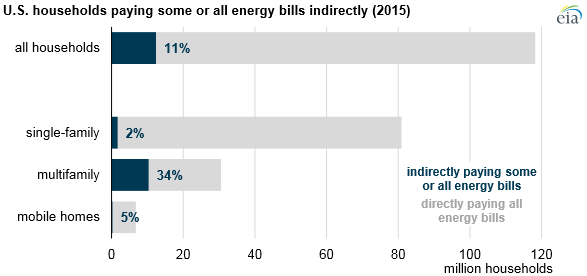
The RESA survey result is striking because it quantifies a widespread feeling: consumers want choice, but most do not have it. Nearly three out of four respondents expressed interest in choosing their energy supplier.
That preference cuts across geography, income levels, and political identity. It reflects something deeper than policy. It reflects consumer expectations. People today are used to customization. In nearly every sector of modern life, choice is the default experience.
Streaming platforms replaced fixed TV schedules. Mobile carriers compete on pricing and perks. Banks compete on digital tools and rates. Travel platforms allow real-time price comparison. Electricity remains one of the few major exceptions.
As those costs rise, the exception becomes more visible.
Why energy bills are now under a microscope
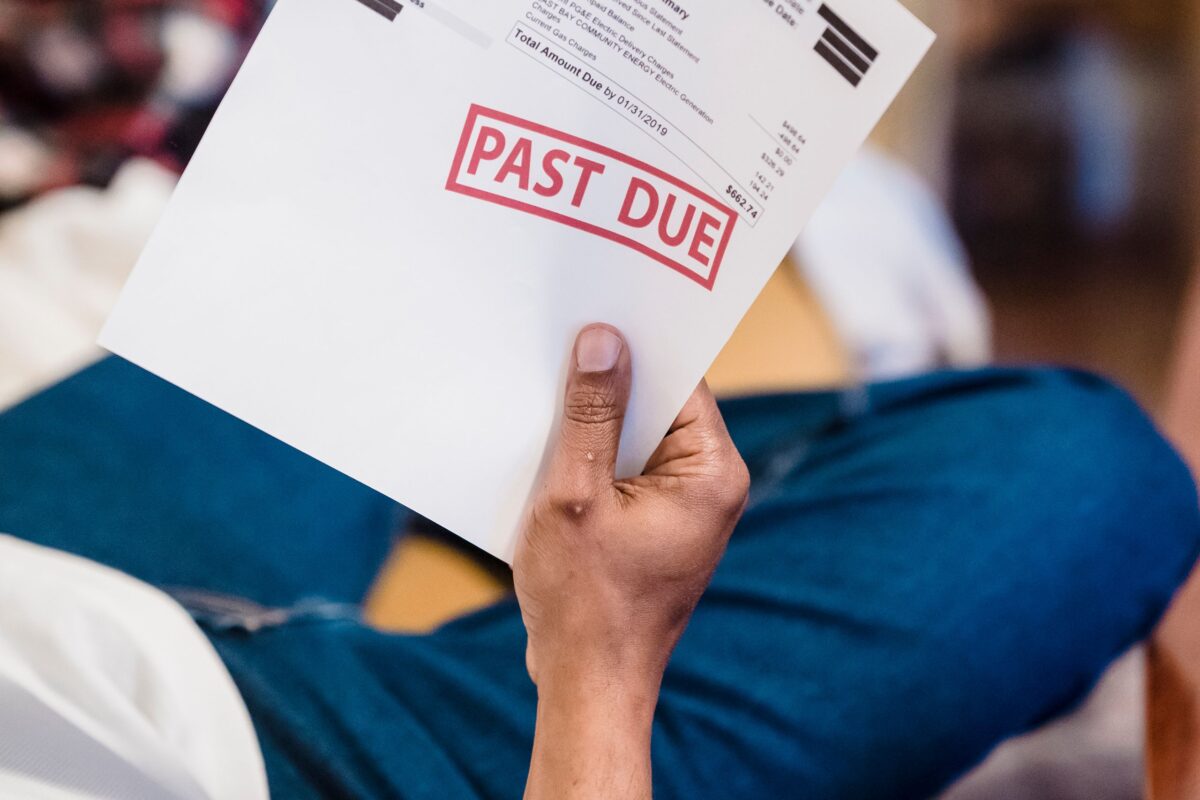
Electricity prices are no longer background noise in household budgets. They are active, rising, and increasingly unpredictable in some regions.
According to U.S. Energy Information Administration data, retail electricity prices have been under upward pressure in recent years due to multiple converging factors, including increased demand from electrification, the expansion of data centers, infrastructure upgrades, and extreme weather patterns that affect peak usage.
Those pressures do not affect all states equally, but they do shape the way consumers experience their bills.m. When bills rise without a clear explanation, consumers begin asking a simple question.
Who sets this price, and can I choose something different? In regulated states, the answer is straightforward. The utility sets the rate under state oversight. In competitive states, the answer is more flexible. Multiple suppliers compete with different pricing structures and contract terms.
That difference defines the modern energy divide.
What energy choice actually looks like in practice
Energy choice does not mean changing how electricity physically reaches your home. The grid remains the same. What changes is the supplier relationship.
In competitive energy markets, consumers can choose from licensed retail electricity providers that offer different types of plans. Some offer fixed rates for stability. Some offer variable rates tied to wholesale market conditions. Some bundle renewable energy sourced from wind or solar generation. Others structure pricing around time of use or offer business-tailored contracts.
The utility continues to deliver electricity and handle outages. But the billing relationship for energy supply becomes competitive.
That shift turns electricity from a fixed service into a consumer market layered atop infrastructure.
The uneven geography of choice
One of the most important realities in the U.S. energy system is that choice is not universal. Only a limited number of states and Washington, D.C., allow broad residential energy competition.
Most states still operate under traditional utility regulation, where supply is provided by a single approved provider.
This creates a fragmented national system. In one state, a household can browse electricity plans online, compare rates, and switch providers. In another, the same household receives a standard utility bill with no supplier alternatives. The infrastructure is national. The experience is not.
That means energy choice is determined not by usage or income but by geography.
Why consumer interest is rising now
The 74 percent figure is emerging at a time when energy is becoming more central to everyday financial pressures.
Households are feeling the impact of rising cooling costs during hotter summers, increasing heating demand in colder regions, expansion of electric vehicle charging, higher infrastructure-related utility charges, and broader inflation affecting essential goods.
Electricity is shifting from an invisible utility to a visible monthly expense. When costs become visible, consumers begin looking for control.
The promise of competition
Supporters of energy choice argue that competition improves markets in predictable ways. When suppliers compete for customers, they must differentiate through pricing, customer service, renewable energy options, digital tools, and flexible contract structures.
In this view, competition is not only about lowering prices but about increasing innovation and responsiveness. Energy suppliers in competitive markets often behave like consumer-facing companies in other industries, emphasizing personalization, choice, and transparency.
The underlying argument is simple. Essential services should not be exempt from market forces.
The challenge: complexity in an essential service
Critics of retail energy competition raise a different concern. Electricity is not optional. It cannot be paused, unsubscribed, or avoided. That makes mistakes costly.
Energy contracts may include promotional rates that expire, early termination fees, variable pricing tied to wholesale markets, automatic renewals at higher rates, and complex billing structures that are not always easy to interpret.
Without careful attention, consumers may end up paying more than expected. That is why transparency, regulation, and consumer education are essential components of any competitive energy system.
The debate is not simply about whether choice exists. It is about whether the choice is understandable.
A system shaped by two philosophies
At its core, the energy choice debate reflects two competing visions of essential infrastructure. One sees electricity as a regulated public necessity that should remain stable, standardized, and insulated from market volatility.
The other sees electricity as a consumer marketplace that should be competitive, flexible, and responsive to demand. Both systems exist in the United States today. Neither is applied uniformly.
That creates a national structure that is unified in infrastructure but fragmented in experience.
Why the 74 percent figure matters beyond policy
The most important meaning behind the survey is not the percentage itself but what it represents: consumers want more control than the system allows.
It reflects a growing expectation that essential services should not be locked behind systems that consumers cannot navigate or influence. People are increasingly comfortable managing their financial lives through choice and comparison. They expect transparency, flexibility, and control.
Electricity remains one of the last major services where that expectation is not consistently met. And that mismatch is becoming harder to ignore.
The deeper question behind energy choice
The future of energy markets will not be decided by a single survey or policy argument. It will be shaped by regulation, technology, demand, and consumer behavior over time. But the central question is already clear.
Should energy remain something that is assigned, or something that is chosen? Because in a modern economy built on customization and control, the idea of a fixed, unchangeable power bill is starting to stand out.
Not as norma. But as an exception, and one that is becoming harder to ignore. But as an exception.