Ed Markey Calls for Trump Removal After Iran Threats Spark New Debate Over War Powers and International Law
A single warning about destroying Iranian infrastructure has triggered a major political and international debate, putting President Donald Trump’s Iran strategy under renewed scrutiny. After Trump said the United States could target bridges or power plants in response to attacks on ships in the Strait of Hormuz, Sen. Ed Markey called for his removal from office, arguing that the threat crossed a dangerous legal and constitutional line.
The controversy has grown far beyond a disagreement between one senator and the White House. It has opened a much larger conversation about presidential war powers, the limits of military retaliation, the protection of civilian infrastructure and the risk of a conflict between the United States and Iran expanding into a wider regional crisis.
Why Ed Markey Says Trump Crossed a Dangerous Line

Sen. Ed Markey, a Massachusetts Democrat and member of the Senate Foreign Relations Committee, called for President Trump’s removal after criticizing his threat to target Iranian infrastructure. Markey argued that attacking civilian facilities such as bridges and power plants could violate international humanitarian law and said Congress should consider actions including impeachment or the 25th Amendment.
The senator’s comments immediately intensified a political fight that has surrounded Trump’s foreign policy decisions for years. Supporters of the president argue that strong warnings are necessary to deter hostile actions and protect American interests, while critics say threats involving civilian infrastructure represent a dangerous expansion of presidential power during wartime.
The “One Bridge or Power Plant” Threat That Sparked International Alarm
The controversy began after Trump warned that future Iranian attacks on ships in the Strait of Hormuz could result in U.S. strikes against Iranian infrastructure. The president specifically referenced destroying “one bridge or power plant” after any Iranian strike involving missiles, rockets, drones or other weapons, creating immediate concern among legal experts and international observers.
The statement drew attention because infrastructure serves both civilian and military purposes in modern conflicts. Bridges can support transportation networks, while power plants provide electricity for hospitals, homes and essential services. The central debate became whether such facilities could ever be considered legitimate military targets and what limits should exist when civilian populations may be affected.
Why Civilian Infrastructure Has Become a Major Issue in Modern Warfare
Modern conflicts are increasingly fought through attacks on systems that support daily life, including energy networks, transportation routes and communication infrastructure. These targets can influence military operations, but they also directly affect civilians who depend on them for basic needs.
International humanitarian law requires military forces to distinguish between civilian and military targets and avoid unnecessary harm to noncombatants. Legal experts have argued that broad threats against civilian infrastructure raise serious concerns because military action must be based on specific objectives rather than general retaliation.
The Legal Battle Behind the War Crime Accusations
The accusation that Trump’s threat could amount to a war crime has become one of the most debated parts of the controversy. Experts in military law have pointed to rules requiring proportionality and careful consideration of civilian harm before any attack is carried out.
However, legal questions surrounding military actions often depend on the specific circumstances of each situation. Supporters of the administration argue that infrastructure can sometimes have military value, especially if it supports enemy operations, while critics say broad statements targeting civilian facilities risk violating established protections.
The Strait of Hormuz Crisis That Could Affect the Entire World
The dispute is unfolding around the Strait of Hormuz, one of the most strategically important waterways on Earth. A significant amount of global energy shipments pass through the narrow passage between Iran and Oman, meaning any major disruption could affect oil markets, transportation costs and economies around the world.
Because of its importance, tensions in the region rarely remain limited to one country. A military confrontation involving Iran could create consequences far beyond the Middle East, affecting energy prices, international trade and relationships between global powers.
Why Trump’s Iran Strategy Has Renewed the War Powers Debate
The controversy has revived a long-running American debate over how much authority presidents should have when using military force. The Constitution gives Congress the power to declare war, while presidents serve as commanders in chief and have historically directed military operations without formal declarations of war.
Critics argue that repeated presidential actions abroad have gradually expanded executive power beyond what the founders intended. Supporters counter that modern threats require presidents to make quick decisions and that delaying action could put American troops, allies and national interests at greater risk.
What Impeachment and the 25th Amendment Would Actually Require
Markey’s call for impeachment and removal has attracted attention because removing a sitting president is one of the most difficult constitutional processes in the United States. The House of Representatives would need to approve articles of impeachment, followed by a Senate trial where conviction requires a two-thirds vote.
The 25th Amendment is another constitutional tool that allows presidential power to be transferred if a president is unable to perform the duties of office. However, it has traditionally been associated with questions of presidential capacity rather than policy disagreements or controversial decisions. The debate over its use highlights the seriousness of the political divide surrounding Trump’s Iran policy.
Why Iran’s Response Could Expand Beyond the Battlefield
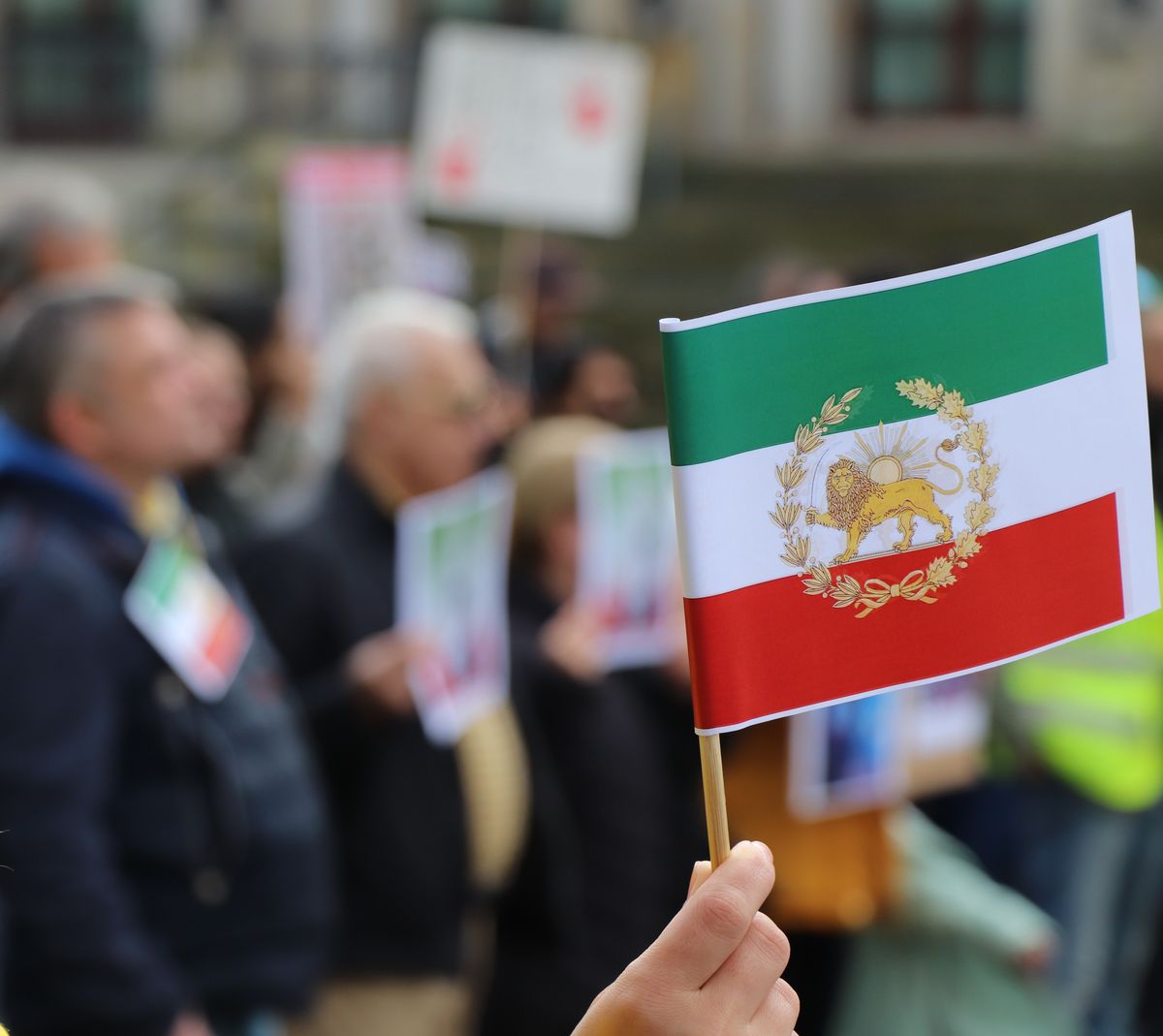
Iran has warned that any attack on its infrastructure could trigger retaliation against U.S.-linked facilities and energy interests across the region. The country has historically relied on a combination of military capabilities, regional partnerships and asymmetric strategies when responding to international pressure.
A wider confrontation could involve more than direct attacks between U.S. and Iranian forces. Regional allies, shipping routes, energy facilities and diplomatic relationships could all become affected if tensions continue rising. That possibility has increased calls from some officials for caution and renewed diplomacy.
The Human Cost Behind the Fight Over Military Strategy
The debate is also unfolding as American military personnel have been killed during the conflict. Reports of U.S. service members losing their lives have added emotional weight to discussions about how aggressively the country should respond to Iran and other foreign threats.
For military families and communities, decisions about foreign policy are not abstract arguments. They involve real people serving overseas and families waiting for loved ones to return home. Supporters of stronger action argue that protecting troops requires a firm response, while opponents warn that escalation can create more danger.
The Trump-Iran Conflict Raises a Bigger Question About America’s Role in the World
The dispute between Trump and Markey reflects a much larger question about how the United States should use its power during international crises. Americans have debated for generations how to balance military strength, diplomacy, legal limits and national security interests.
As tensions with Iran continue, the controversy surrounding Trump’s threat shows how quickly foreign policy decisions can become domestic political battles. The outcome could influence future discussions about presidential authority, military strategy and the role America plays in shaping global conflicts.