Gordie Howe International Bridge Opens Amid Tariffs, Trade Tensions, and an Uncertain Future for U.S.-Canada Relations
The Gordie Howe International Bridge opened as a symbol of connection between the United States and Canada, but its first days have been shaped by a far more complicated reality. The massive new crossing between Detroit, Michigan, and Windsor, Ontario, arrives at a moment when the two countries are facing renewed trade tensions, tariff disputes, and questions about the future of their economic partnership.
Built after years of planning and billions of dollars in investment, the Gordie Howe International Bridge was designed to make North American trade faster, safer, and more reliable. It represents one of the largest infrastructure projects ever attempted along the U.S.-Canada border and creates a new transportation link for manufacturers, truck drivers, commuters, and tourists.
Yet the timing of the opening has created a striking contrast. A bridge designed to strengthen cooperation is beginning operations during a period of disagreement between two countries that have long depended on each other. The structure is complete, but the political relationship surrounding it remains unsettled.
A historic crossing arrives at a difficult moment
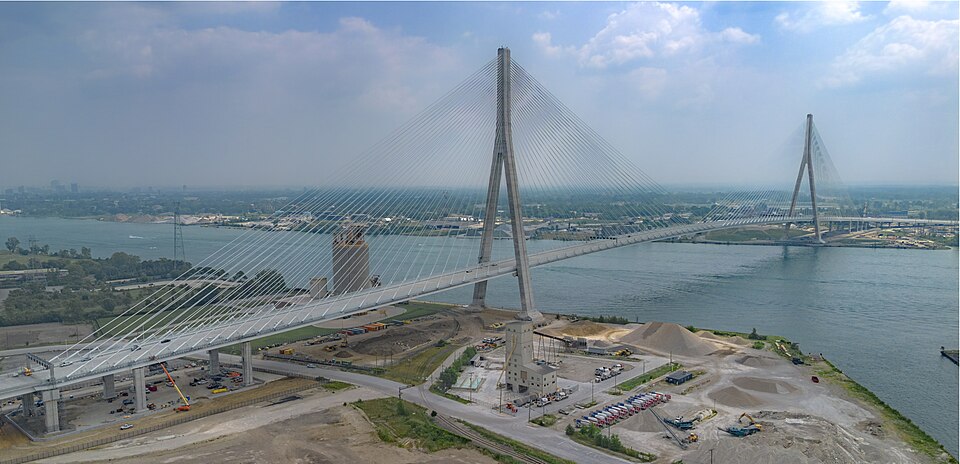
The Gordie Howe International Bridge officially opened to traffic after years of construction, creating a direct connection between Canada’s Highway 401 and Michigan’s Interstate 75. The six-lane bridge stretches across the Detroit River and provides a new route for one of the busiest trade corridors in North America.
The project was built to address a long-standing challenge. The Detroit-Windsor border is one of the most important commercial gateways between the United States and Canada, with billions of dollars in goods crossing the region each year. For decades, businesses relied heavily on the Ambassador Bridge, which became a critical route for automotive manufacturing and cross-border commerce.
The Gordie Howe International Bridge changes that landscape by adding another major crossing with modern customs facilities and direct highway access. Supporters argue that the additional capacity will reduce congestion and give businesses greater flexibility when moving products between countries.
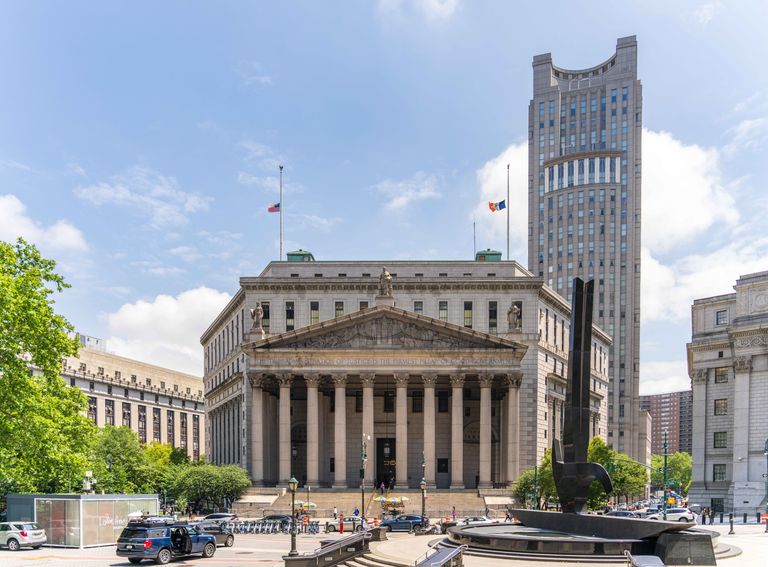
However, the bridge’s opening has been overshadowed by political tensions. Canadian officials celebrated the milestone in Windsor after U.S. and Michigan representatives were reportedly absent following a dispute connected to President Donald Trump’s announcement of new tariffs on Canadian goods.
The absence of American representatives created a symbolic moment. A project built through years of cooperation between governments opened during a period when those same governments were struggling to agree on trade policy.
The contrast highlights a larger question surrounding the Gordie Howe International Bridge. Can infrastructure continue strengthening economic ties when political disagreements threaten to weaken them?
The bridge built to protect North America’s supply chains
The economic importance of the Gordie Howe International Bridge goes far beyond transportation. The Detroit-Windsor corridor supports industries that depend on the movement of goods across the border, especially automobile manufacturing.
Modern vehicle production relies on integrated supply chains. A single vehicle may contain parts manufactured in different regions of the United States, Canada, and Mexico before final assembly. Delays at border crossings can disrupt production schedules and increase costs for companies.
The new bridge provides manufacturers with another option. By connecting directly to major highways, it can help reduce some of the delays associated with older infrastructure and improve the movement of commercial trucks between the two countries.
This matters because Canada and the United States maintain one of the world’s largest trading relationships. Canada sends the majority of its exports to the United States, while American companies rely on Canadian energy, materials, agricultural products, and manufactured goods.
The Gordie Howe International Bridge was therefore created with a long-term economic vision. It was not simply designed for today’s traffic levels but for future growth in trade, manufacturing, and regional development.
Still, transportation improvements can only solve part of the challenge. A faster bridge does not automatically create smoother trade if companies face uncertainty from tariffs, regulations, or changing government policies.
That tension has become one of the central themes surrounding the bridge’s opening. The physical connection is expanding while economic uncertainty is increasing.
A trade dispute arrives at the border crossing
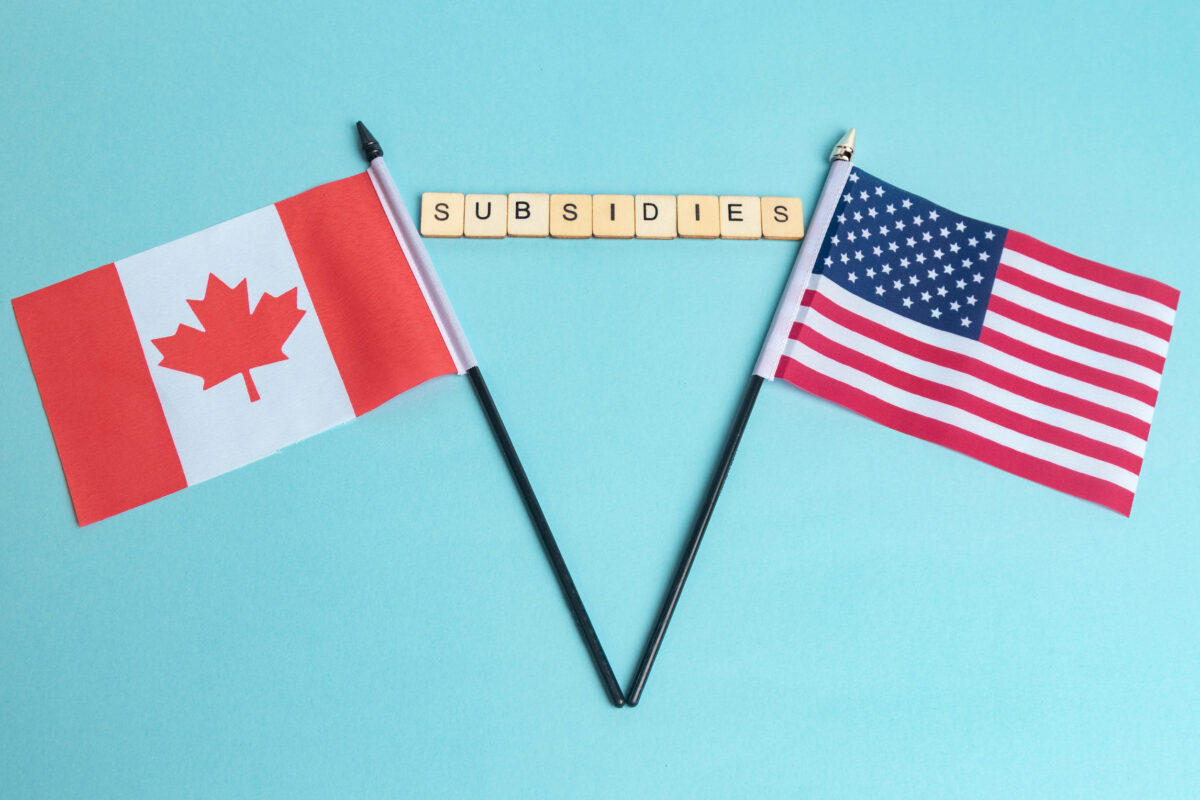
The opening of the Gordie Howe International Bridge comes as the United States and Canada face renewed disagreement over tariffs. President Donald Trump announced additional tariffs affecting selected Canadian products, arguing that the measures were necessary to address what his administration described as unfair trade practices.
Canadian officials criticized the move and warned that tariffs could affect businesses and consumers on both sides of the border. The dispute reflects a broader debate about how the two countries manage their deeply connected economies.
Trade conflicts between the United States and Canada are not new. The two countries have experienced disagreements over lumber, agriculture, energy, and manufacturing policies throughout modern history. However, the size of today’s supply chains means that tariff decisions can have wider consequences.
When governments impose tariffs, the effects rarely stop at the exporting country. Businesses importing Canadian products may face higher costs, while manufacturers depending on Canadian materials may need to adjust their operations.
The automotive sector provides a clear example. A company assembling vehicles in Michigan may depend on parts produced in Ontario. A tariff placed on those components can increase expenses for American manufacturers as well as Canadian suppliers.
This creates an unusual situation for the Gordie Howe International Bridge. The bridge is designed to move goods more efficiently, but trade restrictions could make those same goods more expensive to move.
The future success of the bridge may therefore depend not only on engineering and transportation planning but also on the stability of the economic relationship between Washington and Ottawa.
The political symbolism behind the Gordie Howe name
The story of the Gordie Howe International Bridge is also deeply connected to culture and identity. The bridge carries the name of one of the most respected figures in hockey history, a person whose legacy belongs to both Canada and Detroit.
Gordie Howe, known as “Mr. Hockey,” became a Canadian sports legend and an icon in Detroit through his decades with the Detroit Red Wings. His career represented the connection between the two communities separated by the Detroit River.
Naming the bridge after Howe carried a powerful message. It suggested that borders do not have to divide people who share history, industries, and cultural traditions.
That message became especially meaningful during the opening ceremony. The absence of some American officials highlighted how political disagreements can affect even events intended to celebrate cooperation.
The bridge’s name represents a different era, one where shared achievements often received attention beyond political differences. It reflects the idea that communities can remain connected even when governments disagree.
For residents of Windsor and Detroit, the bridge is not only about international trade. It is also about daily relationships, family connections, tourism, and the movement of people who have crossed this border for generations.
The opening therefore carries both celebration and uncertainty. It celebrates what cooperation created while reminding observers that maintaining cooperation requires continued effort.
The billion-dollar question over toll revenue
Beyond tariffs and political disagreements, another debate surrounds the Gordie Howe International Bridge: money.
Canada financed the construction of the project at an estimated cost of C$6.4 billion. The investment created thousands of construction jobs and produced one of the largest transportation projects in Canadian history.
However, future toll revenue has become a point of disagreement between officials in both countries. The United States and Canada reached an agreement involving revenue sharing, but questions remain about how the financial benefits will be distributed over time.
President Trump has described the arrangement as a significant achievement for the United States. Canadian officials have emphasized existing agreements to recover construction costs before certain financial benefits are realized.
The disagreement demonstrates how major infrastructure projects often continue to spark political debate long after construction ends. Building the bridge required cooperation, but managing its financial future requires continued negotiation.
The financial impact could become significant because the Gordie Howe International Bridge is expected to handle substantial commercial traffic. Every truck, passenger vehicle, and future toll payment will contribute to the economic conversation surrounding the crossing.
The toll debate also raises a broader issue about international infrastructure. When countries invest billions in shared projects, determining who benefits financially can become almost as complicated as building the project itself.
The bridge may connect two countries physically, but its financial future will depend on whether both sides can maintain a workable partnership.
A new competitor challenges an old border giant
The opening of the Gordie Howe International Bridge also changes the competitive environment at the border.
For decades, the Ambassador Bridge dominated commercial crossings between Detroit and Windsor. Its importance grew because it became essential to North American manufacturing and freight movement.
The arrival of the Gordie Howe International Bridge introduces a new option for companies that previously depended heavily on one major crossing. Businesses may now compare routes based on cost, speed, reliability, and convenience.
For truck operators, additional capacity could provide more flexibility. During periods of congestion or disruption, companies may have another route available instead of relying on a single crossing.
However, competition between bridges will likely shape the region’s transportation future. Traffic patterns may shift as companies decide which crossing best fits their needs.
The change could benefit businesses through greater choice, but it could also create economic pressure for existing operators. Infrastructure projects often reshape local economies, affecting transportation companies, nearby businesses, and communities connected to border activity.
The Gordie Howe International Bridge is therefore not just a new road across the river. It is a major change to the economic geography of the Detroit-Windsor region.
The future of the bridge depends on more than steel and concrete
The Gordie Howe International Bridge represents a remarkable engineering achievement. Thousands of workers contributed to its construction, and the project reflects years of planning between governments, engineers, and communities.
Its opening creates opportunities for trade, tourism, and economic growth. It gives businesses another route between two countries whose economies remain closely connected.
But the bridge also reveals the challenges facing modern international relationships. Physical infrastructure can connect countries, but political decisions determine how effectively those connections function.
The success of the Gordie Howe International Bridge will not be measured only by the number of trucks crossing its lanes or the revenue collected from tolls. It will also depend on whether the United States and Canada can maintain the cooperation that made the project possible.
A bridge can shorten the distance between two places. It cannot eliminate disagreements between two governments.
As traffic begins flowing across the Detroit River, the Gordie Howe International Bridge stands as both an achievement and a reminder. The strongest connections are not built only with steel and concrete. They are built through trust, consistency, and the willingness to protect partnerships even during difficult moments.