Five Climbers Dead on Mount Elbrus After Violent Storm Strikes Europe’s Highest Peak
Five climbers from Bosnia and Herzegovina died when a strong storm hit Mount Elbrus, Russia’s highest mountain and the tallest peak in Europe.
The tragedy happened during a climbing trip when sudden weather changes overwhelmed the group. Rescue teams then faced strong winds, freezing temperatures, and tough terrain.
This incident highlights how unpredictable and dangerous high-altitude climbing can be. A calm climb can quickly turn into a life-threatening emergency.
Even with modern equipment and skilled rescue teams, Mount Elbrus still challenges climbers with its harsh conditions and sudden weather changes.
Five Climbers Killed During Severe Mountain Storm
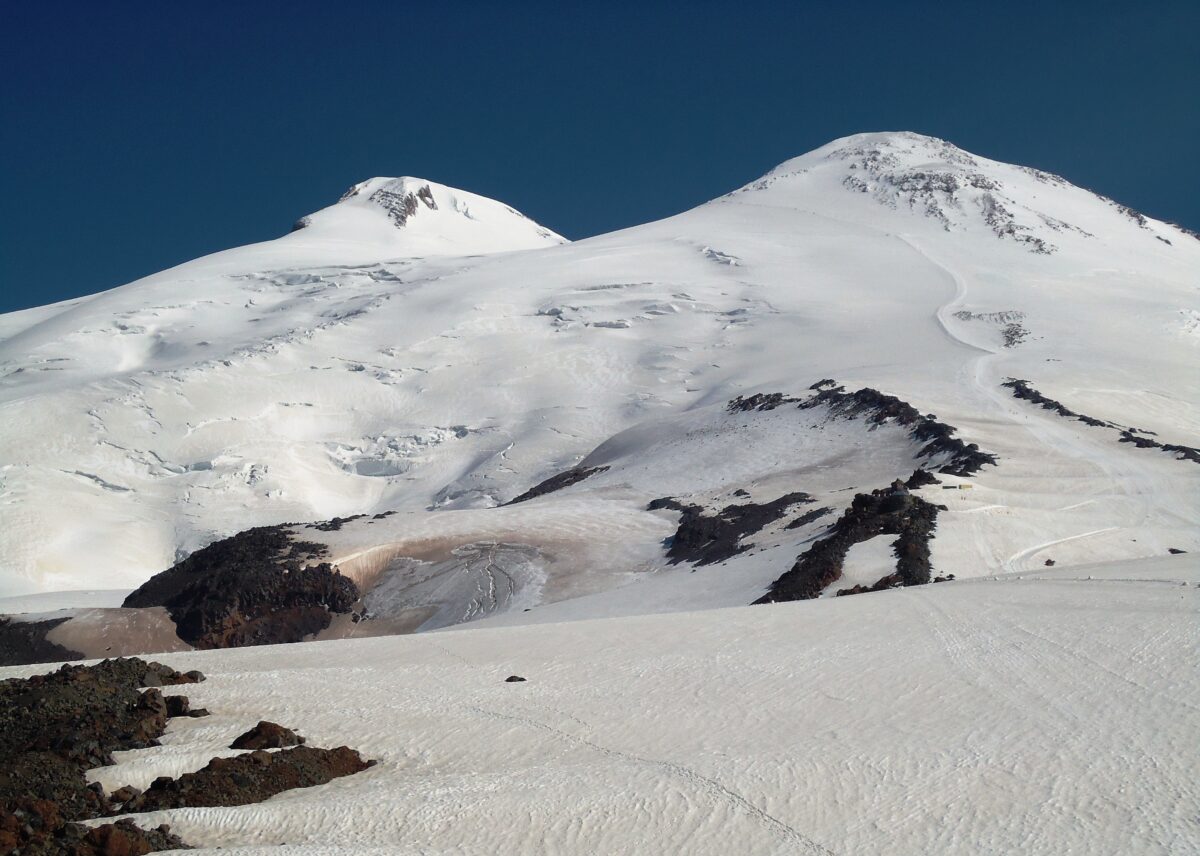
The accident happened when a group of Bosnian climbers faced dangerous weather while trying to reach the top of Mount Elbrus.
Russian authorities said the seven climbers became trapped during extreme weather. Rescuers later found several of them at high altitude, including some at about 5,350 meters (17,552 feet) above sea level.
Emergency crews rescued two climbers, who were taken off the mountain for medical care. Five others from the group were confirmed dead.
Strong winds and worsening weather made the recovery operation harder. Authorities said some bodies could not be removed right away because the storm continued.
The climbers were from Zenica, a city in central Bosnia and Herzegovina. Local news said the group included a married couple and a woman doctor who worked at a hospital.
This tragedy has deeply affected Bosnia’s climbing community. The group was known as an organized team taking on one of Europe’s most famous mountain challenges.
Why Mount Elbrus Is One of Europe’s Most Dangerous Peaks
Mount Elbrus is a popular climbing spot, but its unpredictable weather makes it a tough challenge even for experienced climbers.
Standing at 5,642 meters (18,511 feet), Mount Elbrus is the highest mountain in Europe and part of the Caucasus mountain range in southern Russia.
Thousands of climbers visit Mount Elbrus each year because it is one of the world’s highest and best-known peaks.
Unlike some of the world’s most technical mountains, Mount Elbrus is often described as a climb accessible to experienced hikers. However, its reputation can be misleading.
The biggest danger on Mount Elbrus is not always the route, but the fast-changing weather. Strong winds, heavy snow, freezing temperatures, and whiteouts can change the mountain in minutes.
At elevations above 5,000 meters, the human body faces extreme stress due to lower oxygen levels.
Climbers may feel tired, confused, or slow to make decisions. Altitude sickness can also become dangerous if not treated quickly.
A sudden storm can also make navigation difficult, causing climbers to lose their route and become exposed to freezing conditions for extended periods.
Rescue Teams Face Dangerous Conditions During Recovery Mission
The search and recovery showed how hard it is for emergency crews to respond to disasters in extreme mountain conditions.
Russian emergency services sent rescue teams to find and recover the climbers after the storm. But the same bad weather that caused the tragedy also slowed down the rescue.
High winds and unstable weather made it risky for rescuers to move quickly. Recovery missions at high altitude need careful planning because rescuers face the same dangers as climbers.
The Emergencies Ministry confirmed that teams successfully evacuated two victims found on the mountain. Additional recovery efforts continued as weather conditions allowed.
Mountain rescues are often a race against time because freezing temperatures can quickly become deadly. Even after climbers are found, getting them off steep, icy slopes can take hours or days.
The Mount Elbrus tragedy shows again that rescue teams do more than respond to accidents—they work in some of the toughest places on Earth.
The Growing Challenge of High-Altitude Adventure Tourism
The deaths on Mount Elbrus show a bigger problem for the global climbing community as more people try to climb famous peaks around the world.
Mountaineering has become increasingly popular among adventurers seeking to complete major climbing achievements. Peaks such as Mount Elbrus, Mount Kilimanjaro, and Mount Everest attract climbers from different backgrounds and experience levels.
However, increased popularity also brings greater responsibility. Climbers must understand that famous mountains are not automatically safe mountains.
Many accidents happen because of several reasons, like changing weather, not enough preparation, bad timing, equipment problems, or underestimating the risks.
Experienced climbers say that success on high mountains depends on good judgment as well as strength. Sometimes, the most important choice is knowing when to turn back.
Better weather forecasts, satellite devices, and improved equipment have made climbing safer than it was in the past.
Still, technology cannot remove the basic dangers of high altitude, cold, and unpredictable mountain weather.
A Reminder of the Power and Unpredictability of Nature
The deaths on Mount Elbrus remind us that even experienced climbers are at risk when facing extreme natural forces.
The five climbers who died were taking on a tough but meaningful adventure on one of Europe’s most famous peaks. Their deaths show the risks people face when they challenge some of the world’s harshest places.
Mount Elbrus still draws climbers for its beauty, history, and legendary status. But behind its snowy slopes, the weather can change suddenly and without warning.
For climbers everywhere, this tragedy is an important lesson: being prepared, careful, and respectful of nature is essential at every stage of a mountain trip.
The storm on Mount Elbrus is a strong reminder that on the world’s highest peaks, nature always decides the outcome.