Flock Cameras Are Everywhere, and Americans Are Starting to Push Back Hard
A quiet fight over surveillance is spreading across the United States, and it is no longer limited to privacy advocates, technology experts, or city council meetings.
Automated license plate readers, especially cameras operated by Flock Safety, are becoming a major source of public frustration. Supporters say the technology helps police solve crimes, recover stolen vehicles and locate suspects. Critics say the same system can quietly build a detailed record of where ordinary people drive, even when they have never been accused of wrongdoing.
That tension is now spilling into protests, lawsuits, legislation and, in some cases, vandalism.
What makes the debate especially unusual is how bipartisan it has become. Conservatives are raising alarms about government overreach, liberals are questioning who gets tracked and how the information is used, and politically disengaged residents are asking a simpler question: why should anyone be able to follow their movements without their knowledge?
Why Flock cameras became so attractive to police
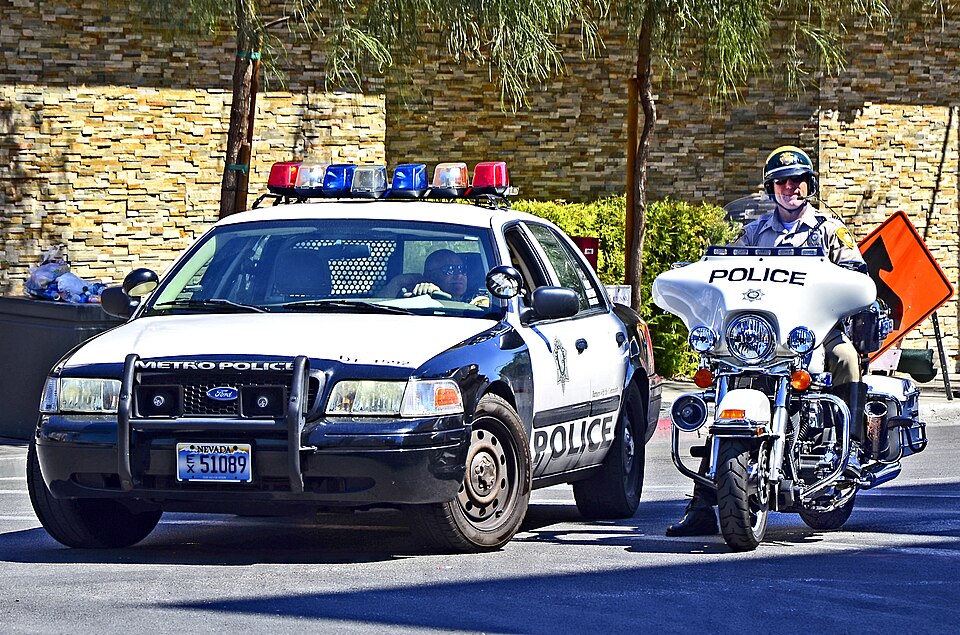
Automated license plate readers, often called ALPRs, capture information about passing vehicles, including license plate numbers, make, model, and color.
Flock Safety says its network includes more than 120,000 cameras spread across 49 states. The company’s system can give law enforcement agencies access to a large searchable database of vehicle sightings.
For police departments, the appeal is obvious.
Authorities have credited license plate reader data with helping them locate missing people, recover stolen cars and identify suspects. In New Jersey, investigators used ALPR data during an armed robbery investigation. Wisconsin police said the technology helped identify suspects connected to a recent series of vandalism cases.
In Ohio, a parks district reported another striking result. After Flock cameras were installed, thefts from vehicles in park lots reportedly fell by about 80% compared with 2024 levels.
Those kinds of results are why many police departments strongly defend the technology.
In Tiverton, Rhode Island, Town Council President John Edwards said his support came down to whether he trusted local officers who said the cameras helped them solve crimes.
For law enforcement, that is the strongest argument in Flock’s favor: the system can produce results.
Critics, however, say effectiveness is only one part of the conversation.
The bigger issue is what happens when a tool intended to catch criminals becomes powerful enough to document the movements of millions of people who have done nothing wrong.
The privacy backlash is growing fast.

Opponents argue that the biggest concern is not one camera on one street.
It is the scale of the network.
A single device collecting plate information may seem limited. Thousands of cameras connected through searchable databases create something far more powerful.
Chad Marlow, senior policy counsel at the American Civil Liberties Union, described the concern as the creation of a kind of movement history on ordinary people.
That has produced rare political agreement.
People on the right worry about government surveillance expanding beyond reasonable limits. People on the left worry about protesters, immigrants, women seeking reproductive care and other groups being targeted. Many people in the middle dislike the idea that their daily movements can be captured and stored.
That frustration has also produced websites designed to monitor the surveillance network itself.
DeFlock and Eyes on Flock use crowdsourced information to map where Flock cameras are located. Another site, Have I Been Flocked, allows people to check whether their license plates may have appeared in certain law enforcement searches using audit records obtained through public records requests.
Some activists are taking even more visible action.
In St. Petersburg, Florida, 77-year-old Carl Gunn has stood in front of local license plate readers and blocked their view with a sign attached to a long pole.
Gunn, a registered Republican, said he was upset that cameras were installed near homes and private property without residents fully understanding what was happening.
His protest reflects one of the biggest problems facing local governments: many residents say they did not realize how widespread the technology had become until the cameras were already in place.
Some protests have crossed into vandalism.
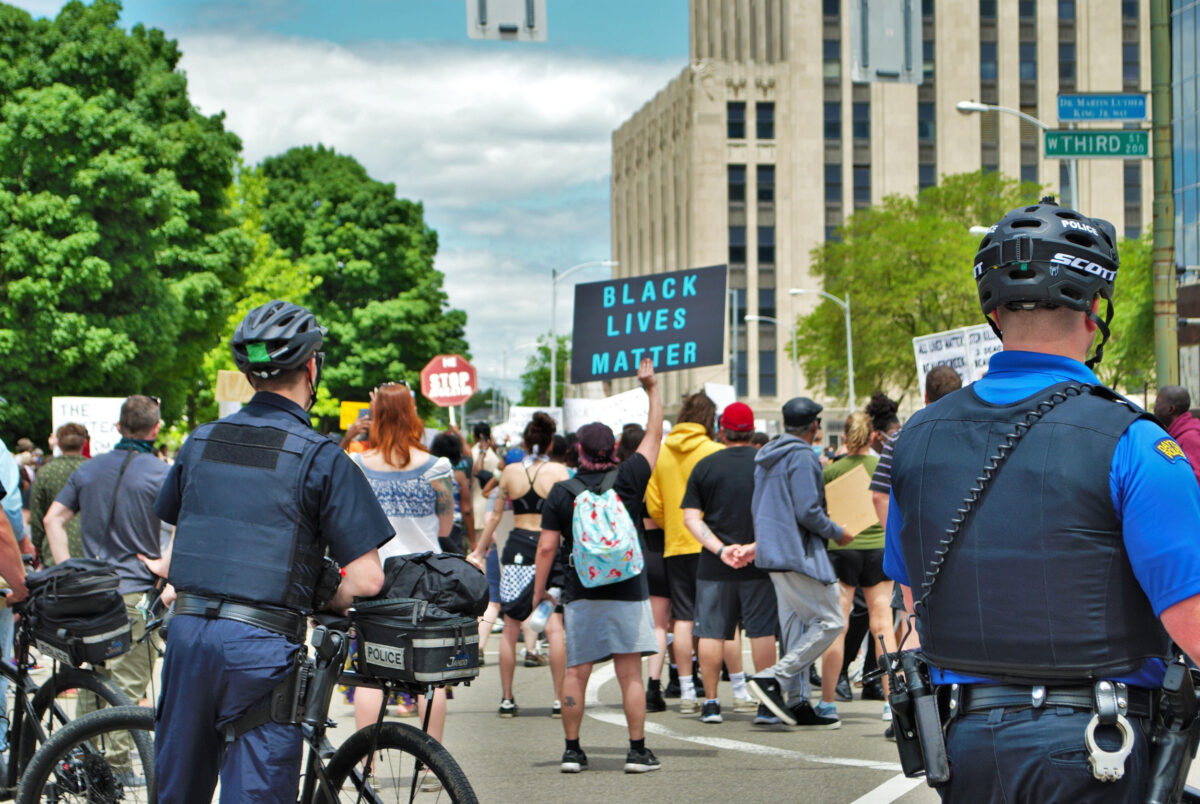
In several cities, opposition has moved far beyond public meetings and peaceful demonstrations.
License plate readers have reportedly been shot at in Tennessee, struck with a truck in California, smashed with a baseball bat in Virginia, cut down with a saw in Texas and covered with paint in New York.
The Guardian identified at least 33 cases involving people allegedly vandalizing or destroying Flock cameras.
Online fundraisers have also been created to help pay legal expenses for some people accused of damaging the equipment.
Flock has strongly condemned the destruction.
Company spokesperson Paris Lewbel told USA TODAY that people have every right to make their voices heard but said criminal acts should not become part of the process. The company argues that damaging the equipment ultimately hurts communities that rely on it for public safety.
That distinction matters.
The broader anti-Flock movement includes lawsuits, public records campaigns, peaceful protests, city council pressure and proposed legislation. Vandalism risks shifting attention away from those legal efforts.
Still, the destruction of cameras is a sign that frustration with surveillance technology has reached a much more intense stage.
Reports of misuse have fueled the distrust.
Privacy concerns might have remained theoretical if there were no real-world examples of alleged misuse.
But several cases have intensified the backlash.
One controversy involved reports that a Texas law enforcement officer searched a network of more than 83,000 Flock cameras while trying to locate a woman who had received an abortion.
Flock and the sheriff involved disputed the way the case was characterized. They said the woman was being sought because officers were concerned about her well-being, not because she was being investigated as a criminal suspect.
Other reports have raised concerns about law enforcement officers allegedly using license plate systems to track women for personal reasons.
There have also been questions about federal immigration authorities gaining access to locally collected Flock data and searches involving protest activity.
Mistakes have added another layer of concern.
License plate misreads have reportedly led to innocent people being detained at gunpoint. In one case, an innocent person was attacked by a police K-9 following an incorrect vehicle identification.
Those incidents strengthen the argument that even when the technology is intended for legitimate police work, bad data or misuse can have serious consequences.
Flock says it has introduced safeguards designed to flag suspicious searches and identify unusual activity.
After five officers in Georgia were charged with accessing Flock data for personal reasons, the company argued that the case showed its auditing tools could detect misuse.
Critics remain unconvinced that company safeguards alone are enough.
Lawmakers are starting to react.

The debate is no longer confined to police departments and privacy groups.
Lawmakers from both parties are now getting involved.
Democratic Sen. Ron Wyden has criticized Flock’s protections and argued that abuse of the technology is likely.
Republican Reps. Tim Burchett and Thomas Massie have pushed for limits on federal funding tied to the surveillance systems. Burchett has described the technology as “draconian.”
Some states have already imposed stronger transparency and auditing requirements. A Louisiana lawmaker is also working on legislation that would ban the devices entirely.
The problem is that rules vary widely across the country.
About half of U.S. states still have no specific laws governing automated license plate readers, according to the scorecard cited in the USA TODAY report.
That leaves communities wrestling with important questions.
How long should vehicle data be stored? Who should be allowed to search it? Should federal agencies gain access to locally collected records? Should police need a warrant before using the system in certain investigations?
Those questions are moving rapidly from privacy advocacy groups into mainstream politics.
Flock cameras were introduced mainly as crime-fighting tools.
Now they have become something much larger: a national test of how much surveillance Americans are willing to accept in exchange for public safety.
Police departments see technology that can help solve crimes faster. Critics see the foundation of a system capable of tracking where people go without their knowledge.
Both realities can exist at the same time.
That is exactly why this debate is unlikely to disappear.
The question is no longer simply whether license plate readers work.
It is whether Americans trust police departments, private technology companies, and government agencies enough to let them build a searchable record of where millions of people travel every day.