8 Luxury Foods That Show the Art of Culinary Rarity
A luxury food price can reflect far more than an expensive ingredient. In the culinary world, extraordinary values often come from limited harvests, careful cultivation, traditional aging, rare ingredients, restaurant creativity, and once-in-a-lifetime auctions.
A premium fruit sold in a specialty market, a cave-aged cheese recognized at a competition, and a record-breaking seafood auction may all carry remarkable price tags. Still, they represent very different kinds of value. These foods show how scarcity, craftsmanship, and culinary storytelling can transform familiar flavors into rare experiences.
Muscat Zipangu Grapes
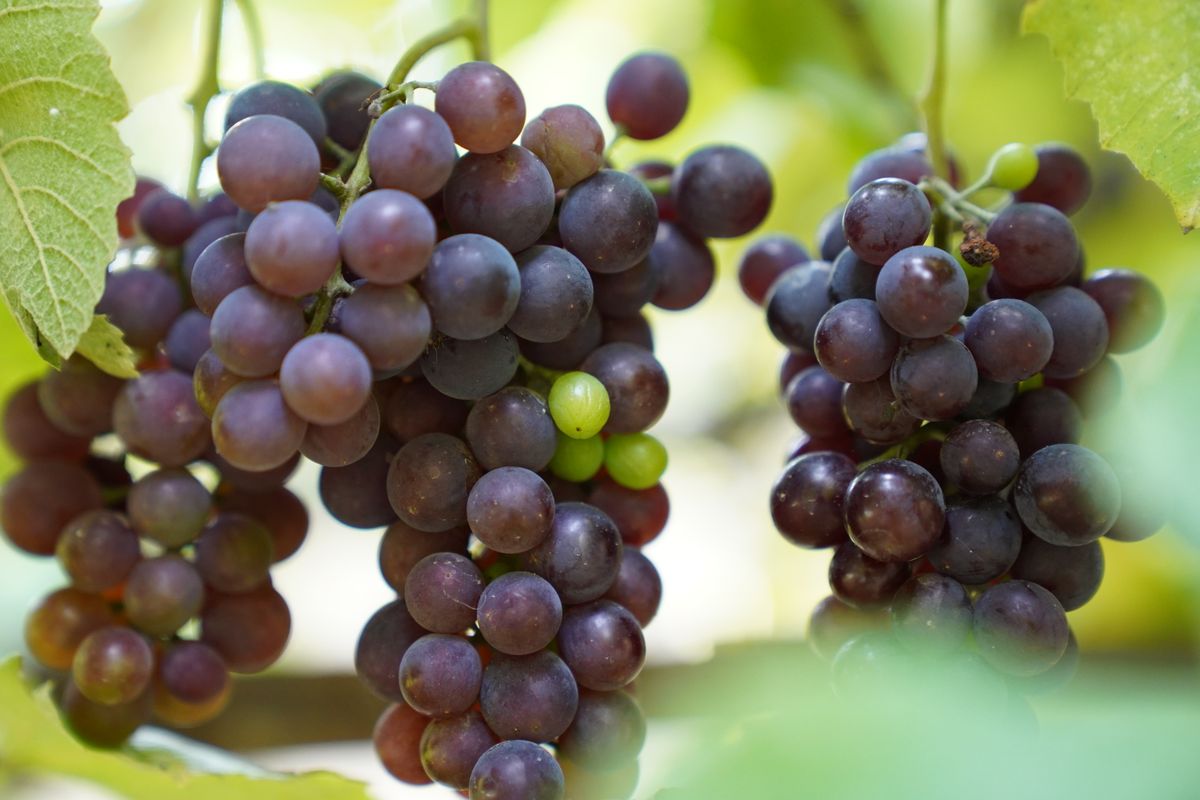
Japan’s luxury fruit culture is built on precision, presentation, and careful growing methods, and Muscat Zipangu grapes exemplify this approach. These premium grapes are valued for their appearance, texture, and quality, reflecting years of breeding and meticulous cultivation.
Bloomberg reported that Muscat Zipangu grapes can reach premium market prices in Japan, with growers focusing on careful production methods that help create a highly sought-after fruit variety.
Unlike auction foods or restaurant creations, these grapes represent a luxury market item that some consumers may encounter as part of Japan’s high-end fruit culture.
Related: 9 Comfort Foods for Quiet Evenings
La Chuorsa Chocolate
Luxury chocolate often centers on craftsmanship, rare ingredients, and limited production. La Chuorsa, created by Attimo Chocolate in Zürich, Switzerland, became notable because of its carefully selected components and extremely small production run.
The chocolate combines Venezuelan Chuao cocoa, Swiss saffron, and crystallized orange crisps. Only a limited quantity was produced, making it an example of how scarcity can influence the value of a handcrafted confection.
Rather than a typical chocolate product, La Chuao represents chocolate as a collectible culinary creation.
Crème de la Crème Pommes Frites
French fries are one of the world’s most familiar foods, but chefs have also transformed them into luxury dining experiences. Serendipity3’s Crème de la Crème Pommes Frites combines an everyday favorite with premium ingredients and elaborate preparation.
The dish features goose fat, Champagne, truffle products, and specialty cheese. It gained recognition for how restaurant creativity and luxury ingredients transformed a simple comfort food into a high-end culinary experience.
Quintessential Grilled Cheese
The grilled cheese sandwich is a classic comfort food, but chefs have created upscale versions by adding rare ingredients and fine-dining techniques.
The Quintessential Grilled Cheese became known as a luxury interpretation of the familiar sandwich, combining premium components in a restaurant setting. Guinness World Records recognized it as a commercial-availability record, though you should verify current menu availability before publication.
Its appeal comes from the contrast between a simple childhood favorite and an elaborate gourmet presentation.
Cabrales Cheese
Cabrales cheese from Asturias, Spain, demonstrates how tradition, aging, and craftsmanship can elevate a familiar ingredient. This blue cheese is produced using traditional methods and aged in mountain caves, where natural conditions help develop its distinctive character.
A prize-winning Cabrales cheese gained additional attention after being sold at auction, showing how competition recognition and artisan production can influence a food item’s value.
The story behind the cheese is as important as the cheese itself: skilled production, time, and place all contribute to its reputation.
White Truffle
White truffles are among the most celebrated ingredients in fine cuisine. These underground fungi are prized for their aroma, rarity, and seasonal availability.
Because they grow naturally underground and depend on specific conditions, white truffles remain difficult to harvest. Chefs typically shave them over dishes such as pasta, risotto, and eggs, where small amounts deliver intense flavor.
One famous white truffle sale was a charity-auction record rather than a normal market price, showing how rarity and special circumstances can dramatically affect food value.
Almas Caviar
Caviar has long been associated with luxury dining, and Almas caviar represents one of the most exclusive examples. It comes from rare albino beluga sturgeon and has historically been connected with exceptional rarity.
The value of this caviar is linked to the age and scarcity of the sturgeon involved, as well as the careful traditions surrounding caviar production.
Because historical luxury-food records can change over time, treat figures associated with Almas caviar as historical references rather than current standard prices.
Industry Kitchen 24K Pizza
Pizza is one of the world’s most accessible foods, but Industry Kitchen in New York created a version designed as a luxury experience.
The pizza features black squid-ink dough along with ingredients such as truffles, caviar, foie gras, and edible gold. Its appeal comes from combining a familiar dish with rare components often associated with fine dining.
This is an example of culinary spectacle, where presentation and ingredient selection become part of the experience.
The Stories Behind Luxury Foods
The most fascinating luxury foods are not simply expensive because of their ingredients. Their value often comes from the stories behind them: years of agricultural work, traditional aging, seasonal availability, limited production, creative presentation, or competitive auctions.
A carefully cultivated grape, a cave-aged cheese, a rare truffle, and an auctioned bluefin tuna may seem unrelated, but they share one common thread. Each shows how craftsmanship, scarcity, and culinary tradition can reshape the way people experience food.
Other Post You May Also Like
. 5 Time-Saving Canned Foods That Taste Amazing
. 6 Cheap Frozen and Canned Foods That Can Be as Healthy as Fresh Produce