8 Foods to Think Twice About Before Ordering on a First Date
Choosing a restaurant meal is usually about flavor, but some dishes come with an extra challenge: they require more cutting, handling, napkins, or special utensils than others.
That does not mean these foods are bad choices or impossible to enjoy. Many are beloved classics because they are flavorful, fun, and memorable. The issue is simply that certain dishes can be more complicated to eat neatly in a restaurant setting, especially when you are still getting comfortable with the dining experience.
Spaghetti
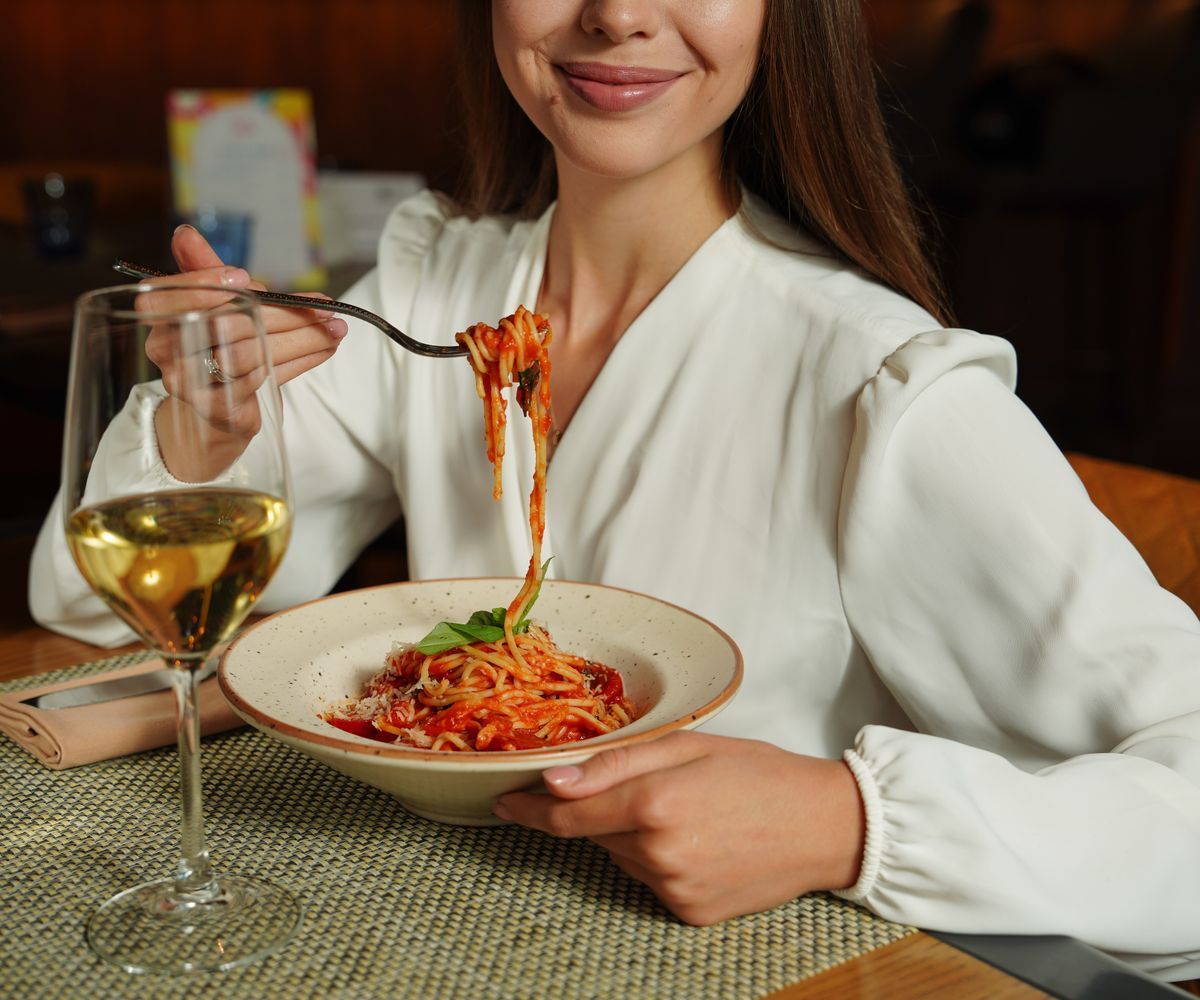
Spaghetti is one of the most recognizable pasta dishes in the world, but its long noodles can make it a more involved meal to handle. Traditional spaghetti is usually served with sauces such as tomato based marinara, meat sauce, or other toppings that coat the noodles. The challenge comes from managing long strands without splashing sauce or creating an awkward bite.
Dining etiquette discussions often focus on using a fork to gather manageable portions rather than cutting spaghetti into smaller pieces. The dish is normally eaten with utensils rather than by hand, which means technique matters more than speed. A simpler alternative can be a shorter pasta shape such as penne, rigatoni, or farfalle. These shapes are often easier to portion while still offering the same sauce and pasta combination.
Related Post: The 10 Worst Foods to Eat on a Date
Giant Burgers
A large restaurant burger may look impressive when it arrives at the table, but size can become the main challenge. Oversized burgers often include multiple toppings such as lettuce, tomatoes, onions, cheese, sauces, and specialty ingredients stacked between large buns. The more layers involved, the harder it can be to take a clean bite without ingredients shifting.
Restaurants commonly serve burgers with both hands or provide knives and forks for larger versions. A smaller burger or a knife and fork presentation can offer the same flavors in a more manageable format. The issue is not the burger itself. It is the combination of height, loose toppings, and sauces that can make handling more complicated.
Barbecue Ribs
Few foods are more associated with casual dining than barbecue ribs, but they also come with some practical challenges. Ribs are typically served with barbecue sauce and require handling bones while eating. The combination of sauce, grease, and bones makes them one of the messier restaurant meals.
Traditional barbecue ribs are designed to be eaten by hand, often with napkins provided. Some restaurants may also offer finger bowls or additional napkins because the dish is expected to be hands on. A boneless barbecue option, pulled pork, or another barbecue style dish can provide similar flavors with less handling.
Chicken Wings
Chicken wings are another popular finger food that can require more attention than expected. Classic wings are usually coated with sauces such as buffalo, barbecue, or other flavored glazes. The combination of bones, sauce, and small pieces makes them a food that often involves fingers rather than forks and knives.
Restaurants frequently serve wings with dipping sauces, napkins, and sometimes additional tools depending on the style of preparation. Boneless chicken pieces can provide a similar flavor experience while reducing the need to manage bones and sauce at the table.
Lobster
Lobster is often considered a special occasion dish, but it can also require extra equipment and effort. Whole lobster is served with shells that need to be cracked and removed. Restaurants may provide tools such as shell crackers and picks to help diners reach the meat.
The challenge is not the lobster itself, but the process. Removing shell pieces, handling utensils, and separating meat from the shell can make the meal more involved than many seafood dishes. A shelled lobster preparation, lobster pasta, or another lobster dish where the meat is already removed can provide the same ingredient with fewer steps.
Loaded Tacos
Tacos are usually designed as handheld foods, but heavily loaded versions can become difficult to manage. Restaurant tacos may include fillings such as meat, cheese, lettuce, salsa, sauces, and other toppings. When too many ingredients are packed into a tortilla, fillings can fall out while eating.
Smaller tacos or versions with fewer loose toppings may be easier to handle while still delivering the same combination of flavors. The challenge is not that tacos are messy by nature. It is the number of components competing for space inside the tortilla.
French Onion Soup
French onion soup is not a finger food, but its presentation can make it a more complicated choice. The classic version is served with a layer of melted cheese over toasted bread floating on top of the soup. Breaking through the cheese and managing the bread while eating can require more attention than a typical soup. A spoon is essential, and the melted cheese layer can stretch or shift as the soup is eaten.
The dish remains a restaurant favorite because of its rich flavors and distinctive presentation, but the topping is also what makes it more involved.
Seafood Boils
Seafood boils are designed as social, hands on meals, but they require more preparation and handling than many restaurant dishes. A typical seafood boil may include shellfish, corn, potatoes, sausage, and seasoning. Shellfish often requires cracking shells or removing edible portions before eating. Many restaurants provide tools such as shell crackers, gloves, or extra napkins because the meal is intended to be interactive. A shelled seafood dish or prepared seafood entrée can offer similar flavors without requiring as much table work. These foods are not “bad” choices for a restaurant meal.
They are popular for good reasons, from the flavor of barbecue ribs to the experience of cracking open lobster or sharing a seafood boil. The main difference is practicality. Some dishes require more hands on eating, special utensils, extra napkins, or careful handling. Knowing what a meal involves before ordering can simply help diners choose the experience they want. For a first date meal, the easiest dishes are often the ones that let the food stay in the background while the dining experience takes center stage.