Why Prepared Food Is Becoming the New Grocery-Store Shortcut
The most useful dinner shortcut at the grocery store may not be in a box or a freezer bag. It might be the roasted chicken, ready-made entrée, or prepared side dish you pass on your way to buy ingredients for a meal you no longer have the energy to cook.
Prepared food is taking on a bigger role in how Americans put meals together. The shift is not simply about abandoning home cooking for supermarket takeout. Shoppers are also using a prepared item to do the time-consuming part of dinner, then adding what they already have at home. That combination offers something a drive-thru cannot: a meal that is convenient without being entirely preplanned.
The Deli Is Competing With Dinner Out
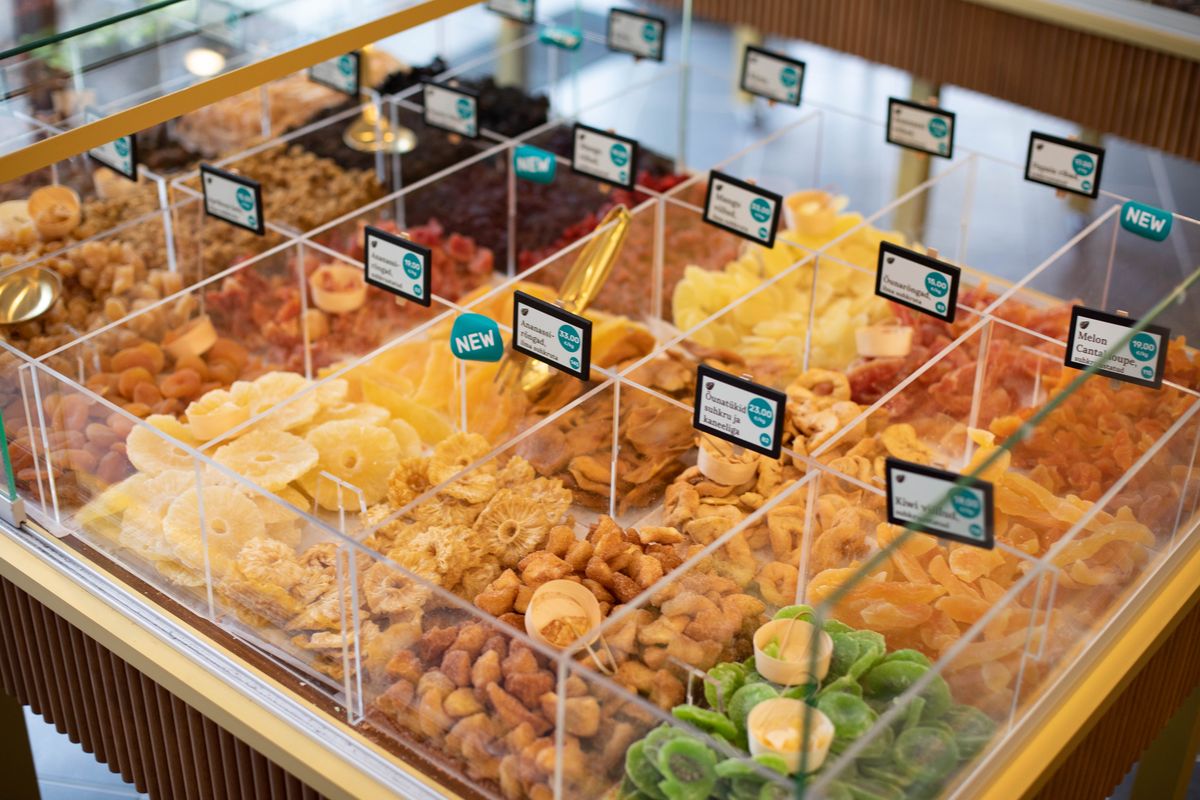
The Food Industry Association found that 28% of shoppers in its 2025 research chose deli-prepared foods in place of a restaurant meal, up from 12% in 2017. The figure describes what surveyed shoppers said they were replacing; it does not mean every prepared-food purchase is a substitute for dining out. Still, the increase points to a meaningful change in the grocery deli’s place in the dinner conversation.
“Consumers are increasingly viewing deli-prepared foods as a true alternative to restaurant dining, not just a convenient option,” said Allison Febrey, FMI’s senior manager of research and insights. She said shoppers want quality and variety alongside meals that save time and money. FMI reported that retail foodservice sales rose 1.6% to $52.1 billion over the preceding 12 months, giving the trend a sales figure alongside a survey result.
Convenience is easy to understand when the choice happens at the end of a long day. A shopper can pick up dinner while buying milk, fruit or tomorrow’s breakfast instead of making another stop. Prepared options can also solve a smaller problem: choosing one part of the meal that someone else has already made. The value, though, depends on the store, the item, and what it costs, not on the word “prepared” alone.
That distinction matters because shoppers are still making trade-offs. In FMI’s survey, more than half of respondents called deli-prepared foods a good value, but Grocery Dive reported that half considered the offerings at their primary grocery store only “somewhat appetizing.” The deli may be getting more attention, but stores still have to make the food appealing enough to earn a repeat purchase.
Related: New Grocery Store in Pearland? La Michoacana Meat Market Project Moves Forward
The Smartest Shortcut Is Half Homemade
The prepared-food story gets more interesting when dinner is not an either-or choice. FMI found that 53% of Americans in its research took a hybrid approach to meals, combining deli-prepared options with food from their own kitchens. That could mean buying the main dish and making a side at home, or letting a prepared side save time while cooking the rest. The shopper still decides what goes on the plate; the store simply handles part of the work.
“With more than half of Americans shopping for hybrid meal occasions, there’s a real opportunity for retailers to support lunches and dinner time,” said Rick Stein, FMI’s vice president of fresh foods. He said shoppers want the flexibility to pair prepared items with ingredients at home, balancing time savings with their well-being goals. According to FMI, deli-prepared purchases happen most frequently between noon and 5 p.m., a window that makes sense for both an immediate lunch and a head start on dinner.
That approach has a practical appeal. If rice and vegetables are already in the kitchen, buying a prepared protein means you don’t have to cook every component from scratch.If the main dish is covered, a ready-made salad or side can take one task off the evening’s list. These are ways to use the deli, not promises that every combination will be cheaper than cooking, or that every store offers the same selection.
It also helps explain why prepared food need not be seen as the opposite of home cooking. Grocery Dive reported that the share of respondents who said deli-prepared options replaced a home-cooked meal fell from 50% in 2017 to 30% in 2025. Over the same period, more shoppers said those purchases replaced restaurant meals. Together, those findings suggest the deli is increasingly filling a gap between cooking everything yourself and paying for a meal out.
Grocers Want More of This Business
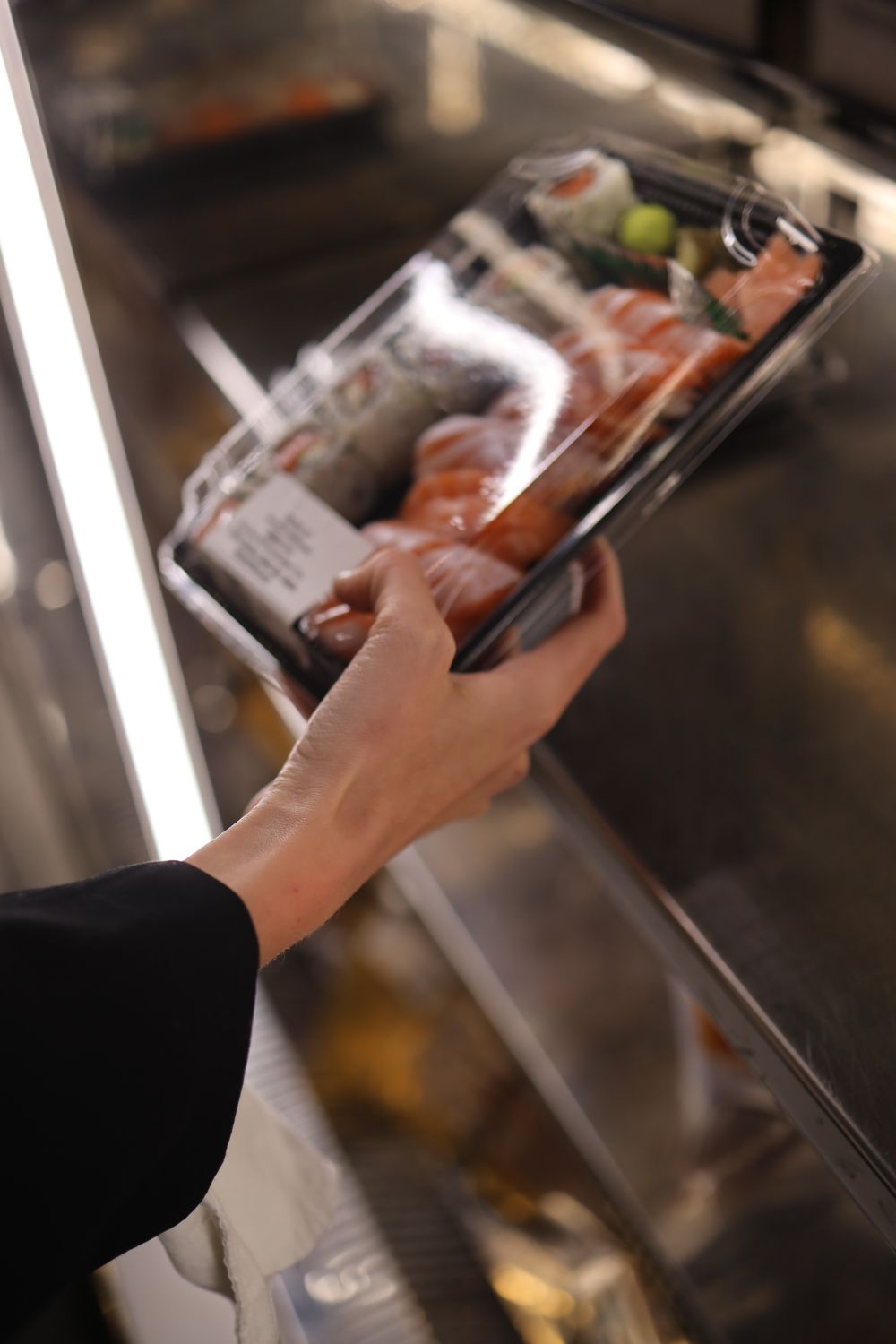
Supermarkets are making room for the change. FMI’s 2026 Food Retailing Industry Speaks report says 77% of food retailers plan to increase the space they allocate to foodservice, including fresh-prepared grab-and-go options. That is a plan reported by retailers, not a claim that every store has already expanded its deli. It does show where much of the industry sees an opportunity.
The challenge for stores is to make the shortcut worth choosing. FMI’s 2025 survey, as reported by Grocery Dive, found that 60% of respondents decided what to have for lunch on the day they ate it, while almost half made their dinner decision that day. A prepared-food section can meet that spur-of-the-moment need, but only if shoppers can see what is available and feel good about buying it.
For shoppers, the best test remains pleasantly simple: Does this item save enough effort, taste good, and fit the meal you want to eat? Sometimes the answer will be a complete prepared dinner. Other times, it will be one ready-made component beside food from your own refrigerator. The new grocery-store shortcut isn’t letting the deli make every decision; it is letting it take one dinner task off your hands.