
Grandma’s Cookie Tin Had Better Surprises: 12 Old-School Holiday Treats Worth Bringing Back
A holiday cookie tray can do more than deliver a sugar rush. These 12 traditional treats bring intricate patterns, fragrant spices, fruit-filled swirls, and family stories to the table, without needing a mountain of frosting or a single edible glitter shaker. Their recipes remain part of documented holiday baking traditions, from Norwegian Christmas kitchens to German and Italian family celebrations.
Calling them “disappearing cookies” would go too far: no national cookie-tray census proves these recipes are fading, and several remain beloved in their home cultures. Think of this as a revival list, not an extinction report. If your holiday lineup could use something beyond the usual decorated cutouts, these are 12 delicious places to start.
Four cookies with serious craftsmanship
Springerle
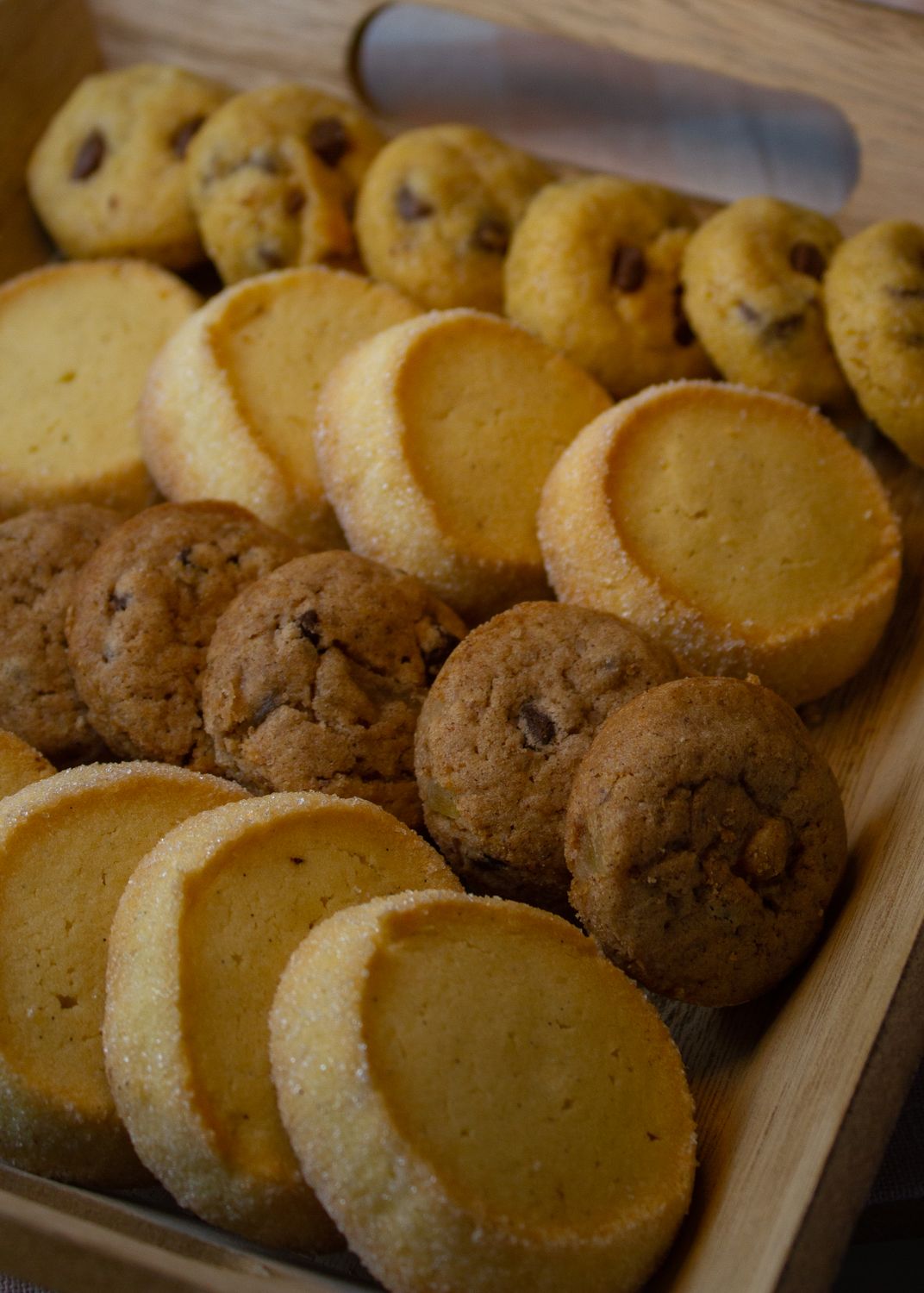
Springerle look like tiny edible works of art, with designs impressed into the dough using carved molds or an embossed rolling pin. The traditional German cookies carry an anise flavor, giving them a distinctly licorice-like personality rather than the familiar vanilla-sugar-cookie taste. Recipe writer Kimberly Killebrew describes them as a centuries-old Swabian tradition from southern Germany. For anyone who appreciates a beautiful cookie without elaborate icing, these have plenty of presence.
Rosettes
Rosettes are delicate fried cookies made by dipping a heated patterned iron into batter, then lowering it into hot oil. A dusting of powdered sugar finishes their crisp, intricate shapes. In a family account published by Norsland Lefse, Wanda Hanson recalled introducing them to her grandchildren: “The rosettes disappeared from the cookie trays quickly after that!!” Their initial skepticism apparently did not survive the first taste, a promising result for an unfamiliar-looking holiday treat.
Krumkake
These Norwegian waffle cookies are baked on a patterned iron and rolled into cones while still warm. Gemma Stafford’s version combines butter, vanilla and cardamom, with whipped cream as an optional filling. You can also serve them plain, letting their delicate crunch do the talking. Unlike a thick sandwich cookie, krumkake delivers a light, crisp bite and its graceful shape makes it a natural centerpiece rather than background decoration.
Sandbakkels
Sandbakkels are buttery Norwegian cookies pressed into small fluted tins and carefully released after baking. Their hollow shape makes them look like miniature tart shells, although they can be eaten without any filling. Hanson’s family serves them with ice cream or strawberries and whipped cream, while other versions include almond flavoring. They offer something unusual on a cookie tray: a treat that can stay beautifully simple or become a tiny dessert with toppings.
Four treats packed with holiday flavor
Pfeffernüsse
Pfeffernüsse are small German spice cookies commonly finished with a white sugar glaze. Killebrew’s recipe includes honey, cinnamon-rich gingerbread spice, almond meal, and a little white pepper. She also makes an important distinction for anyone remembering an unimpressive packaged version: “Everything about homemade Pfeffernüsse is better, the flavor, the texture.” That is her assessment, but the recipe’s layered spices certainly offer more complexity than the cookies’ modest appearance suggests.
Lebkuchen
Lebkuchen belong to Germany’s holiday gingerbread tradition, but the name covers more than one shape or recipe. King Arthur Baking’s version takes the form of glazed bars made with honey, almonds, citrus peel and warming spices. Recipe developer MaryJane Robbins describes the appeal as “spicy bar cookies with the snap of ginger and the tang of orange and lemon.” They bring a substantial, fragrant bite to a tray, and demonstrate that holiday cookies need not all be round.
Zimtsterne
These German cinnamon stars combine ground nuts, egg whites, and sugar beneath a snowy white topping. Their nut-based dough sets them apart from standard flour-based cutout cookies, while cinnamon supplies the signature flavor. Killebrew identifies her recipe as the version she grew up with, made by her mother and grandmother. They aren’t forgotten in Germany, where they remain popular Christmas treats, but they make a lovely addition to a tray that has never included them.
Fattigmann
Fattigmann bring a different technique to the cookie table: frying. The Norwegian treats are cut into diamonds, with one end pulled through a slit in the center to create their characteristic twisted shape. Food writer and cookbook author Daytona Danielsen’s recipe uses cardamom, egg yolks, cream and an optional splash of Cognac or brandy. She calls them “an essential part of Christmas” for many families, a reminder that the oven is not the only route to holiday baking tradition.
Related: 8 Things Grandchildren Remember Most About Visiting Grandma’s House
Three recipe-box surprises worth rediscovering
Date pinwheels
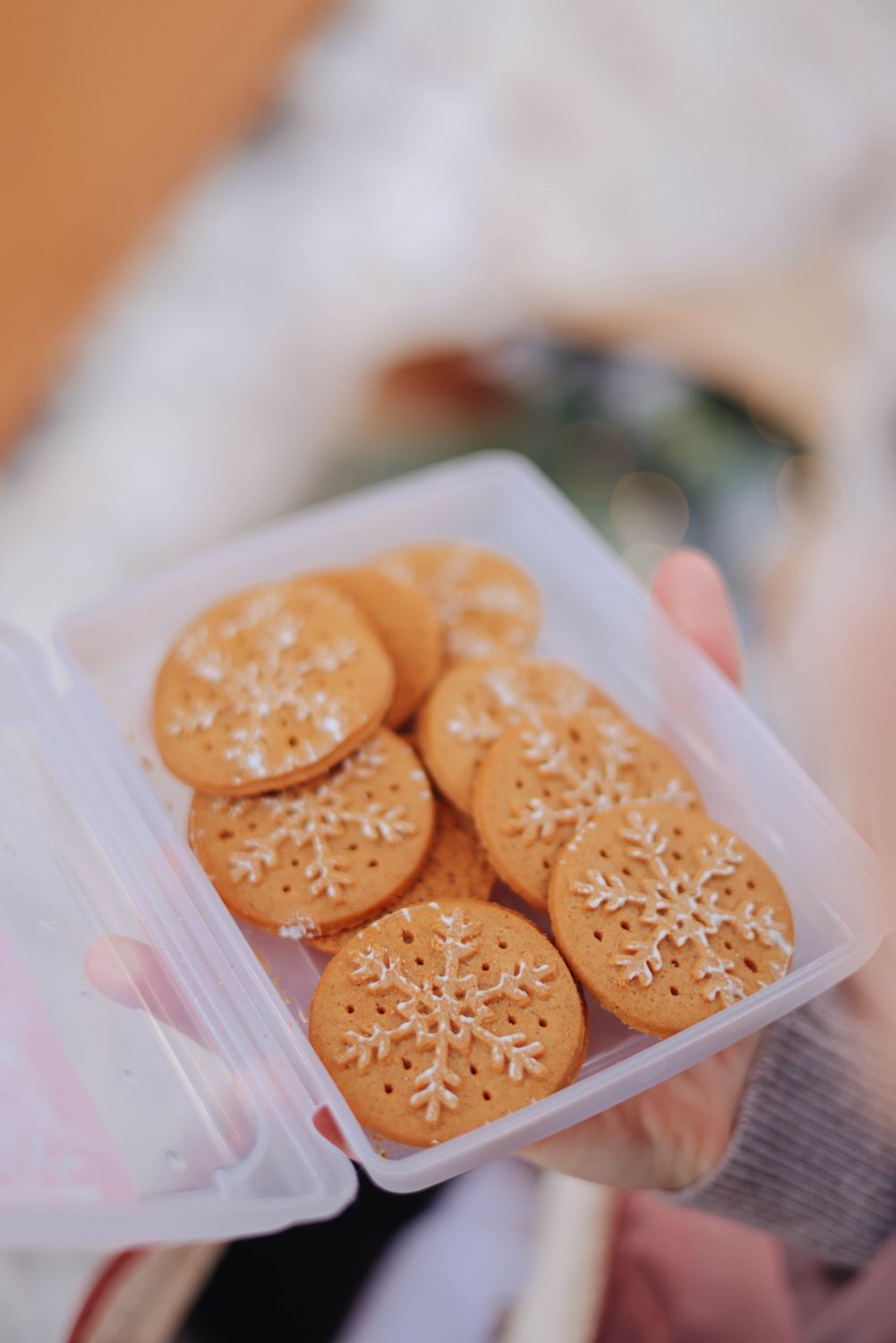
Date pinwheels hide their best feature inside a rolled log of dough. Once sliced, each cookie reveals a spiral of cooked date-and-nut filling, surrounded by a buttery exterior. Taste of Home’s versions use either lemon accents or vanilla and pecans, illustrating how family recipes can differ while keeping that recognizable swirl. The dates supply sweetness and chew, making these a particularly appealing alternative for someone who prefers fruit-filled cookies to frosted ones.
Fruitcake cookies
Fruitcake cookies give the holiday cake’s signature ingredients a smaller stage. Taste of Home’s recipe combines chopped dates, candied cherries, and pineapple with hazelnuts, pecans, and walnuts. The result is a cookie filled with contrasting chewy and crunchy pieces, not simply a miniature slice of cake. If the word “fruitcake” starts an argument at your table, this bite-size format offers a different way to introduce the fruit-and-nut combination without serving an entire loaf.
Heidesand
Heidesand are German shortbread cookies distinguished by browned butter, which supplies their characteristic flavor. Killebrew remembers standing at the stove as a child while her mother prepared the butter for them, connecting an otherwise understated cookie to a specific family ritual. Their crumbly texture and simple appearance make them an appealing counterpoint to the patterned, glazed and fruit-filled treats elsewhere on this list. Sometimes the quietest cookie deserves a closer look, and a place beside the showpieces.


