Aldi, Costco, Sam’s, Target or Walmart: Which Store Is Cheapest for 15 Staples?
A cheap gallon of milk might convince you to visit a particular grocery store, but does that mean everything else in your cart is a bargain? With grocery costs still a concern for American households, choosing where to shop means looking beyond the lowest advertised price.
A comparison of Aldi, Costco, Sam’s Club, Target, and Walmart reveals how package sizes, membership fees, and local pricing can affect grocery spending. Based on pricing information available as of October 14, 2026, several retailers offer attractive deals on everyday essentials, but no clear winner emerges across all 15 grocery staples.
Comparing the Cost of 15 Everyday Grocery Staples
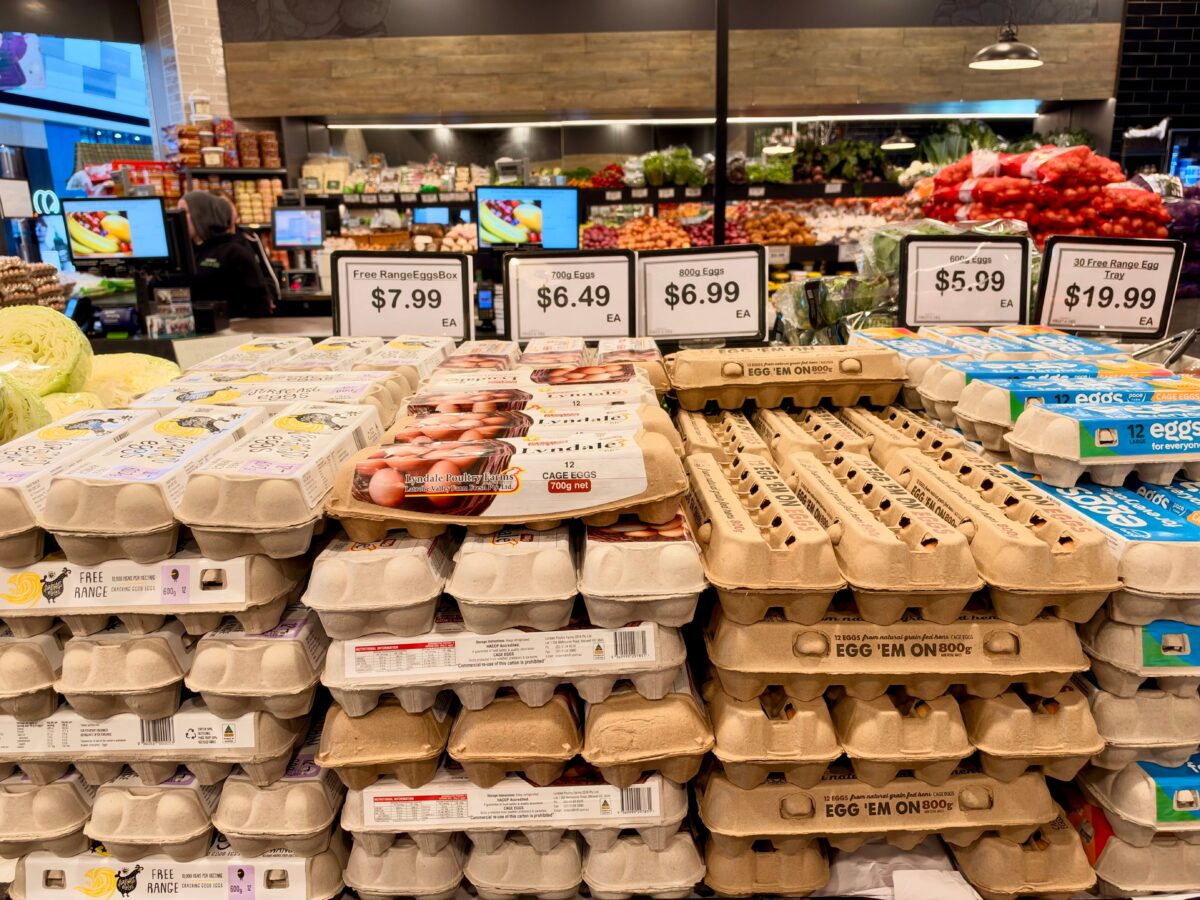
The comparison focuses on 15 products commonly found on American shopping lists: milk, eggs, bread, rice, pasta, peanut butter, bananas, chicken breast, ground beef, butter, cheddar cheese, sugar, flour, canned black beans, and potatoes. These items provide a useful starting point for understanding how grocery prices differ among major retailers, particularly when shoppers are trying to control their weekly spending.
However, fair price comparisons require looking at equivalent products rather than simply choosing the least expensive item listed online. Whole milk should be compared with whole milk, large eggs with large eggs, and ground beef with the same lean-to-fat ratio. Package size also matters because a larger container may have a lower price per ounce but requires shoppers to spend more upfront.
The intended comparison centered on Naperville and Montgomery, Illinois, using ZIP code 60564 as a reference point. Although the five retailers operate in the surrounding area, the available online prices could not consistently be connected to those specific locations. Therefore, the figures discussed below should be understood as individual pricing examples rather than a completed five-store shopping test.
Related: Union Report Warns Electronic Shelf Labels Could Raise Grocery Prices, Cut Jobs
Aldi: An Advertised Chicken Deal Worth Checking
Aldi stands out in the available pricing information for its advertised chicken breast offer. In a September 23, 2026, announcement, the retailer listed Kirkwood chicken breast family packs at $1.99 per pound as part of its fall price reductions. Aldi said those reductions would continue through at least November 3, giving shoppers a chance to check whether the offer is available at their local store.
At the advertised price, purchasing two pounds of chicken would cost approximately $3.98. However, the actual checkout total would depend on the family pack’s weight, since shoppers generally buy the entire package rather than exactly two pounds. Aldi also cautioned that prices and availability may vary by store and that online or delivery prices may be higher.
For households that regularly prepare chicken, the offer could be an attractive addition to their weekly shopping plans. Nevertheless, it does not establish that Aldi offers the cheapest overall grocery basket, particularly without verified prices for the remaining staples at competing stores.
Costco and Sam’s Club: Does Buying in Bulk Really Save Money?
Warehouse retailers such as Costco and Sam’s Club introduce a different consideration into grocery comparisons because their products are frequently sold in larger quantities. Although buying in bulk can reduce the cost per unit, it doesn’t always mean shoppers spend less on a particular grocery trip. The difference becomes clearer when comparing package prices with standardized unit prices.
For example, Sam’s Club listed its Member’s Mark spaghetti pantry pack, containing six one-pound packages, at $5.48. Dividing the total price by six yields about 91 cents per pound. That may appeal to households that regularly prepare pasta, but anyone purchasing the product must still pay $5.48 at checkout rather than the price of a single pound.
Costco introduces another pricing complication through its delivery services. According to its official same-day policy, products ordered for delivery are priced higher than their warehouse equivalents to cover delivery-related costs. The service also requires a $35 minimum order, so online listings cannot automatically be treated as equivalent to in-store warehouse prices.
Neither retailer can be declared the cheapest overall using these examples alone. While Sam’s Club clearly illustrates how bulk packages work, comparable warehouse prices for the full 15-item basket were unavailable.
Target: Smaller Packages May Make More Sense for Some Shoppers
Target shows why shoppers should consider both the shelf price and how much product they actually need. Its Good & Gather creamy peanut butter was listed at $1.99 for a 16-ounce jar, about 12.44 cents per ounce. A larger 40-ounce option was listed at $3.59, bringing the cost down to approximately 8.98 cents per ounce.
The larger container saves roughly 28% per ounce, but it also costs an additional $1.60 upfront. For frequent peanut butter users, the larger purchase may be worthwhile. However, someone with a limited grocery budget or little need for the additional quantity might reasonably prefer the smaller jar.
Target also listed a two-pound package of Good & Gather white rice at $1.89, about 95 cents per pound. While that provides another useful price example, the selected-store price was not independently verified for the Illinois comparison area. Target’s pricing policy also explains that prices and promotions can vary between locations and online shopping channels.
Walmart: Everyday Prices Depend on Shopping Location
Walmart’s Great Value grocery products also give shoppers another opportunity to compare basic household staples. One listing showed a four-pound bag of Great Value granulated sugar priced at $3.46, or about 87 cents per pound. However, the displayed price was for Tigard, Oregon, not the Naperville, Illinois, market used for this comparison.
That geographic difference prevents the listing from establishing what an Illinois shopper would pay for the same product. Grocery prices vary by location, and an online deal may not match the price charged at another store. For an accurate comparison, shoppers should select their preferred Walmart location and check the displayed price before visiting.
Although Walmart’s sugar listing offers a useful reference point, it cannot establish whether the retailer beats Aldi, Costco, Sam’s Club, or Target on the same product. To award Walmart an individual-item win or place it ahead of another retailer, you need comparable local prices.
Membership Fees Can Change Which Store Offers Better Value
The advertised cost of groceries is only part of the equation for shoppers considering Costco or Sam’s Club. Costco lists its Gold Star membership at $65 annually and Executive membership at $130, plus applicable sales tax. Sam’s Club lists its standard Club membership at $60 annually, while Plus membership costs $120.
For someone making 52 shopping trips annually, dividing the basic membership costs across those visits produces approximately $1.25 per Costco trip and $1.15 per Sam’s Club trip. These figures show how to evaluate membership expenses, not additional checkout charges. A household that shops less often would spread the annual fee across fewer visits, increasing the calculated membership cost per trip.
Existing members may view these expenses differently because they already factor them into their household budgets. However, someone considering a new membership primarily to save on groceries should calculate whether the potential savings justify the annual expense. Also consider promotions and eligibility requirements separately from regular shelf prices.