6 Iconic American Foods With Surprising Accidental Origins
Some of America’s most beloved foods have origin stories that sound almost too ridiculous to believe. A frozen soda machine started with drinks left in a freezer, while a popular cheesy snack traces its roots to equipment designed for animal feed.
Not every famous food was invented by a complete accident, though. Some came from unexpected discoveries, while others were clever ways to solve everyday problems. Either way, these six favorites prove that great food ideas don’t always begin with a carefully planned recipe.
ICEE and Slurpee: The Frozen Soda That Customers Couldn’t Resist
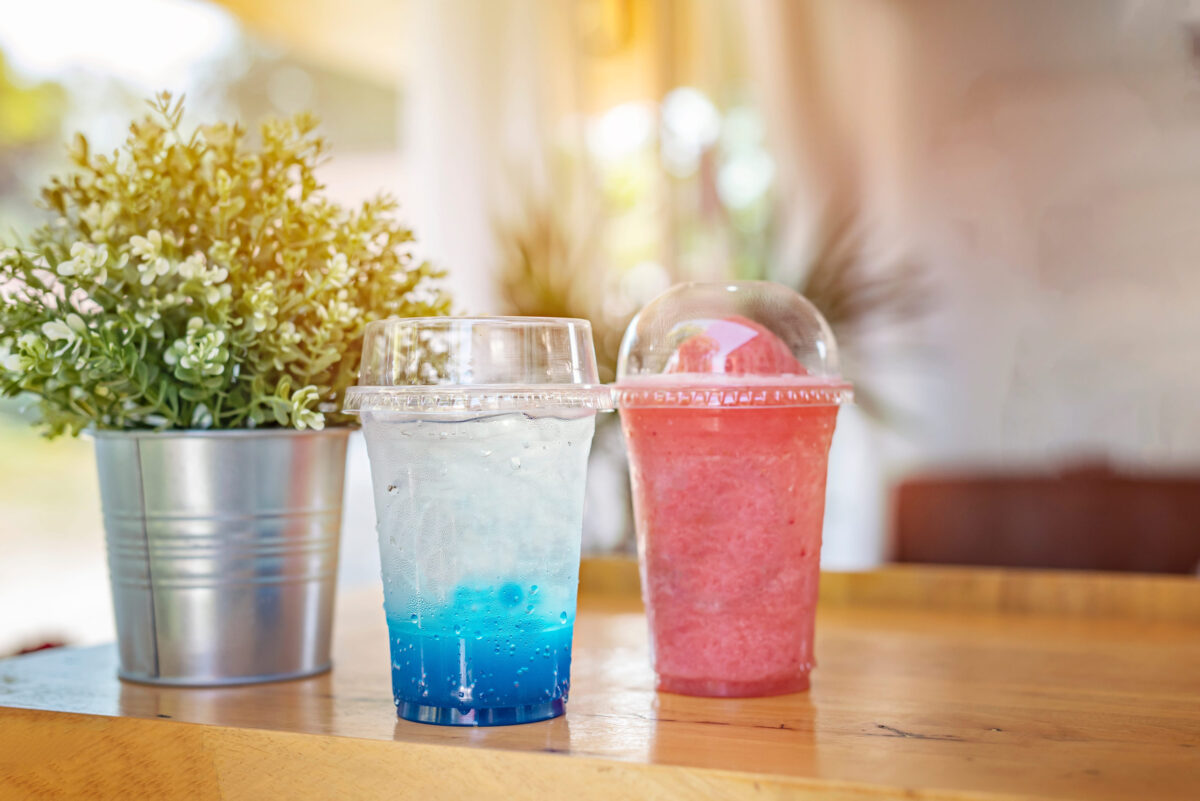
Anyone who has stopped at a convenience store on a scorching summer afternoon knows the appeal of an icy Slurpee. But this frozen favorite owes its popularity to a Kansas businessman who was simply trying to keep his customers’ drinks cold.
In the late 1950s, Omar Knedlik operated a Dairy Queen in Coffeyville, Kansas. According to historical accounts, he started storing bottled sodas in a freezer because he didn’t have a working soda fountain. Sometimes the bottles stayed in long enough for the drinks to partially freeze.
Instead of complaining, customers loved the slushy texture. That unexpected reaction sparked an idea for Knedlik.
He began experimenting with equipment that could consistently produce frozen carbonated drinks. His efforts eventually led to the ICEE machine, turning an improvised cooling method into a commercial product.
The story didn’t end there. In 1965, 7-Eleven licensed the technology, and the Slurpee debuted under its familiar name in 1966.
The name reportedly came from the sound people made while sipping the thick drink through a straw.
So the next time you’re drinking a cherry Slurpee, remember that its commercial success began with customers enjoying soda that had frozen more than intended.
Corn Flakes: A Breakfast Favorite That Started With Wheat
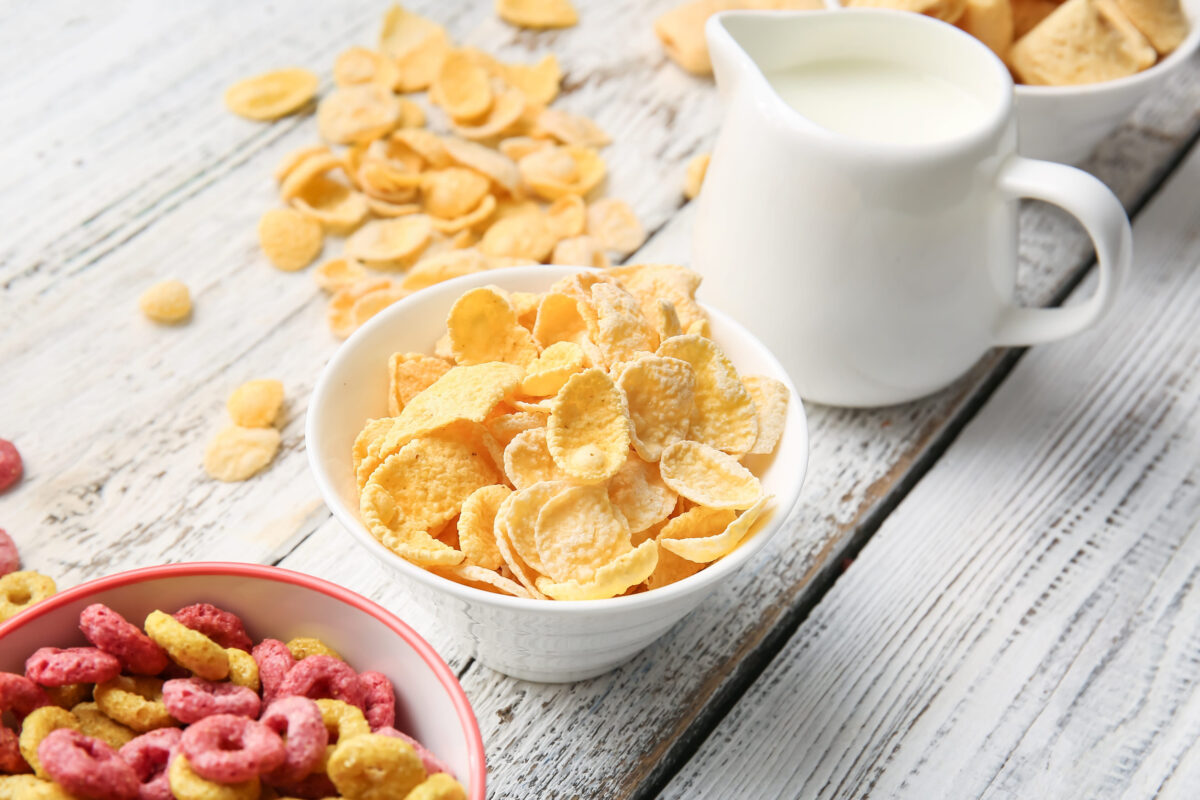
Corn flakes seem like something someone carefully designed in a laboratory. Surprisingly, their early development involved an unexpected kitchen discovery at a medical institution.
In the 1890s, brothers John Harvey Kellogg and Will Keith Kellogg developed grain-based foods at the Battle Creek Sanitarium in Michigan.
They aimed to prepare convenient, easily digested meals for patients.
According to medical historian Howard Markel, the brothers were experimenting with boiled wheat when John was called away. Will left the preparation to rest rather than throwing it out.
When they continued processing the grain, they discovered that it could be rolled into thin flakes.
Here’s the interesting part: the original discovery involved wheat, not corn.
The brothers kept refining their methods and eventually developed the corn-based cereal Americans recognize today.
John Harvey Kellogg received a patent for a flaked-cereal process in 1896. He later founded his cereal company in 1906, helping turn the product into a mainstream breakfast favorite.
What began as an unexpected result during food preparation eventually helped transform American breakfast habits.
Cheese Puffs: The Snack With Roots in Animal Feed Machinery
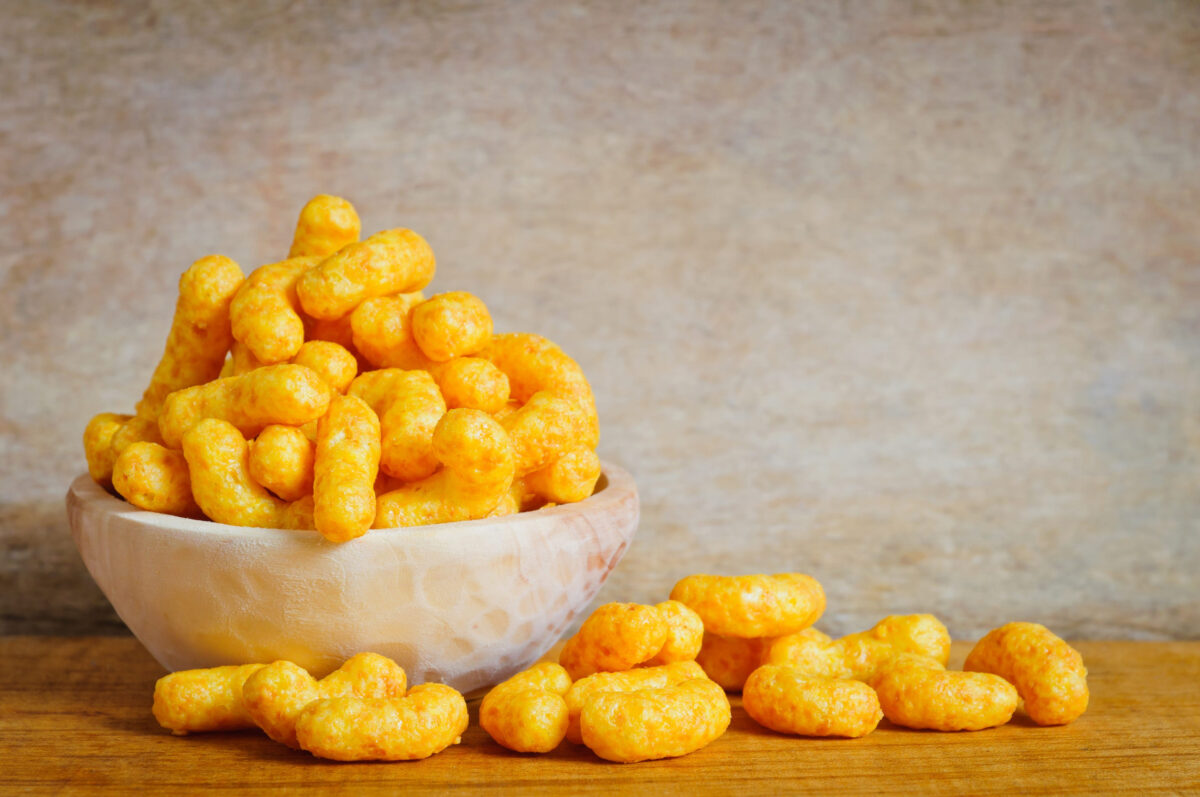
Cheese puffs are practically designed to leave orange fingerprints everywhere. Their crunchy, airy texture makes them hard to resist, but their early history is unusually tied to animal-feed production.
During the 1930s, workers at the Flakall Corporation in Beloit, Wisconsin, used machinery to process grain for livestock feed.
According to accounts of the company’s early experiments, workers ran moistened corn through a grinder to help clean the equipment.
Something unexpected happened.
Heat and pressure caused the corn to expand into a light, puffed material.
An employee named Edward Wilson reportedly recognized that the unusual texture could make an interesting snack. He took some of the puffed corn home and experimented with seasoning it.
The company eventually produced a snack called Korn Kurls.
It wasn’t exactly the same as today’s Cheetos, which arrived in 1948, and other manufacturers also claimed early versions of cheese curls.
Still, the Flakall story shows how industrial machinery designed for one purpose helped reveal an entirely different possibility.
Apparently, even animal-feed equipment can contribute to America’s snack obsession.
Tater Tots: The Potato Scraps That Became a Freezer Staple
Tater Tots might be the greatest makeover story in the frozen-food aisle.
In the early 1950s, brothers Golden Grigg and F. Nephi Grigg were producing frozen French fries through their company, Ore-Ida, in Ontario, Oregon.
But making French fries created a frustrating problem. Large quantities of perfectly usable potato pieces were left behind after the potatoes were cut.
Those scraps had value, yet much of their potential was being wasted.
Rather than accepting the loss, the brothers started experimenting.
They chopped the leftover potato pieces, mixed them with other ingredients, and developed a method for shaping them into small cylinders.
The result was Tater Tots, developed in 1953 and released to grocery stores in 1956.
Unlike some foods on this list, Tater Tots weren’t a complete accident. They resulted from deliberate experimentation with ingredients that might otherwise have been sold cheaply as animal feed.
One particularly entertaining detail involves an early shaping process that reportedly used holes cut into a plywood board.
From potato leftovers to school cafeterias and family dinner tables, Tater Tots became proof that yesterday’s scraps could become tomorrow’s bestseller.
Related:7 Foods That Went from Garbage to Gourmet
Buffalo Wings: A Bar Snack With Competing Origin Stories
Buffalo wings are now essential game-day food, but their rise is less straightforward than many people think.
The most familiar account takes us to the Anchor Bar in Buffalo, New York, in 1964.
Teressa Bellissimo is widely credited with creating the restaurant’s famous fried chicken wings, coated in hot sauce and served with celery and blue-cheese dressing.
But what inspired her to make them?
That depends on whom you ask.
One version claims the restaurant mistakenly received chicken wings instead of chicken necks, leaving Teressa to find a creative use for the unexpected delivery.
Another says she prepared the wings as a late-night snack for her son Dominic and his friends.
A third explanation suggests they were made for customers celebrating the end of a Friday meat abstinence.
Even members of the Bellissimo family gave different accounts.
Another important detail: Buffalo restaurateur John Young also served his own popular style of chicken wings, prepared differently, during that era.
The Anchor Bar version became enormously influential, but the exact circumstances behind its creation remain disputed.
One thing is certain: what started as a local specialty eventually became a nationwide favorite.
Related: 11 Best American Foods
Popsicles: The Frozen Treat With a Famous Childhood Legend
Few childhood snacks are as recognizable as a Popsicle. Its famous origin story involves a boy, a forgotten drink, and one unusually cold night.
According to the traditional account, 11-year-old Frank Epperson accidentally left a powdered drink mixture outside in 1905, with a stirring stick still in it.
By morning, the drink had supposedly frozen around the stick.
The result was a flavored ice treat that could be eaten without a spoon.
It’s a charming story, but there’s a catch.
Historical investigations have questioned whether San Francisco experienced temperatures cold enough for the event to have happened exactly as described. The familiar childhood accident hasn’t been conclusively verified.
What is documented is that Epperson later developed and patented a frozen confection on a stick in 1924.
His patent even discussed using test tubes as molds and selecting suitable types of wood for the handles.
The early treat was known as the Epsicle before the Popsicle name became famous.
Whether the childhood accident happened exactly as told or evolved into a memorable marketing legend, Epperson helped bring one of America’s favorite frozen treats to the public.
And generations of sticky fingers have been grateful ever since.
Sometimes the Best Food Ideas Come From Unexpected Places
These six foods share more than just popularity. Each demonstrates how unexpected discoveries, practical problem-solving, and a little creativity can lead to products that people enjoy for generations.
Some began with genuine surprises, others with resourceful experimentation, and a few have origin stories that remain open to debate.
The next time you reach for a bag of cheese puffs or a plate of Tater Tots, remember that even the most ordinary foods can have extraordinary beginnings.