Forget the Syrup: These Crispy Korean Scallion Pancakes Turn a Humble Bunch of Greens Into Something Special
Scallions usually play a supporting role, scattered over noodles or tucked into a garnish. In pajeon, they take center stage. These Korean savory pancakes combine generous amounts of scallions with a thin batter, then cook in oil until golden and crisp. Served with a soy-and-vinegar dipping sauce, they offer a flavorful introduction to Korean home cooking without requiring a long ingredient list or specialized equipment.
For a scallion-focused starting point, recipe developer Stephanie Cho’s version for King Arthur Baking makes four large pancakes using flour, cornstarch and cold sparkling water. It lists 40 minutes of hands-on work and one hour total. This isn’t a fluffy breakfast pancake with vegetables stirred in: the batter is deliberately thin, and the scallions are the main attraction, not a decorative afterthought.
Pajeon Is a Pancake With a Different Personality
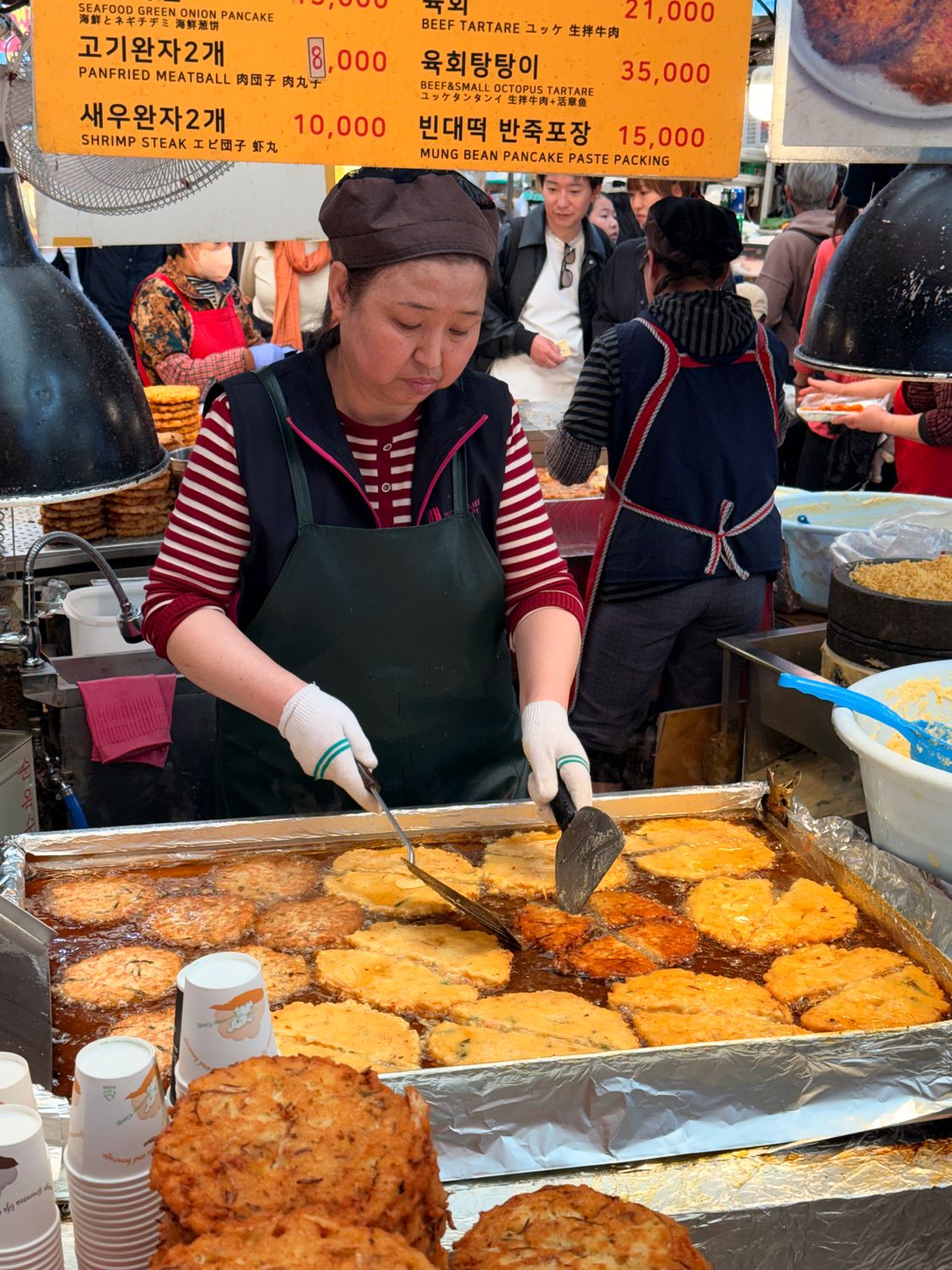
The name explains the essential ingredients and technique. Korean Bapsang creator Hyosun Ro writes, “Pa means scallion, and jeon means pan-fried battered food.” That places pajeon within a larger family of Korean savory preparations, including kimchi pancakes, garlic-chive pancakes, and mung-bean pancakes. They share a place in Korean cooking, but their names and ingredients are not interchangeable. A pancake built around garlic chives, for example, is buchujeon rather than pajeon.
Seafood is a popular addition, producing haemul pajeon. Ro’s version uses scallions with an assortment of squid, shrimp, mussels, oysters, or clams, though she says one or two types can work. Cho’s scallion-only recipe takes a simpler route and contains neither seafood nor eggs. Both are documented approaches; the important distinction is that adding seafood changes the recipe rather than revealing an ingredient every pajeon must contain.
The cultural context extends beyond the restaurant appetizer menu. Ro describes pajeon as a favorite snack or appetizer and notes that haemul pajeon is often paired with makgeolli, Korean milky rice wine. She also explains its rainy-day association: “Koreans also say that when it rains outside, just stay home and enjoy some jeon.” You don’t need a weather forecast, or an alcoholic drink, to appreciate the pancake, but that context gives the dish life beyond its ingredient list.
For a first attempt, focusing on scallions makes it easier to concentrate on the crispness. Cho describes a batter “loaded with so many scallions, it barely holds them together.” That is a useful expectation: the mixture should look vegetable-heavy. If you picture a thick, fluffy American-style pancake, you may be tempted to change a consistency that’s central to the recipe.
The Batter Is Simple, but the Details Matter
Cho’s pancake formula calls for two large bunches of scallions, about 350 grams; three-quarters of a cup of all-purpose flour; one-quarter cup of cornstarch; one teaspoon of sugar; one-half teaspoon of baking powder; a rounded one-half teaspoon of table salt; and one cup of cold sparkling water. About six tablespoons of neutral oil are divided among the pancakes for frying. Those quantities belong together as one published recipe, not a mix-and-match template.
Trim the scallion roots and slice the stalks thinly on the diagonal. You should have between three and four cups. In a large bowl, whisk the flour, cornstarch, sugar, baking powder, and salt, then whisk in the cold sparkling water. Fold in the scallions with a flexible spatula. This version requires no separate dough to knead, no resting period,, and no Korean pancake mix.
Ro’s advice for her seafood preparation reinforces several useful crispness principles: drain the ingredients well, use icy-cold water, and include starch when making a flour mixture from scratch. “Wet ingredients will make pajeon soggy,” she cautions. Her formula differs from Cho’s, so it should not replace the measured instructions above. It does, however, explain why surface moisture deserves attention before ingredients enter the bowl.
Pan technique matters, too. Heat 1 1/2 tablespoons of neutral oil in a medium nonstick skillet over medium heat until hot. Add about one-half cup of batter and spread it into a thin circle six to eight inches across. Cook for three to four minutes, until the underside is golden and crisp, then flip and cook the second side for another three to four minutes. Thin spreading is an instruction, not simply a presentation preference.
Related: Why Small Family Traditions Can Mean More to Children Than Expensive Gifts
Give the Pancakes a Tangy Finish, and Eat Them Fresh
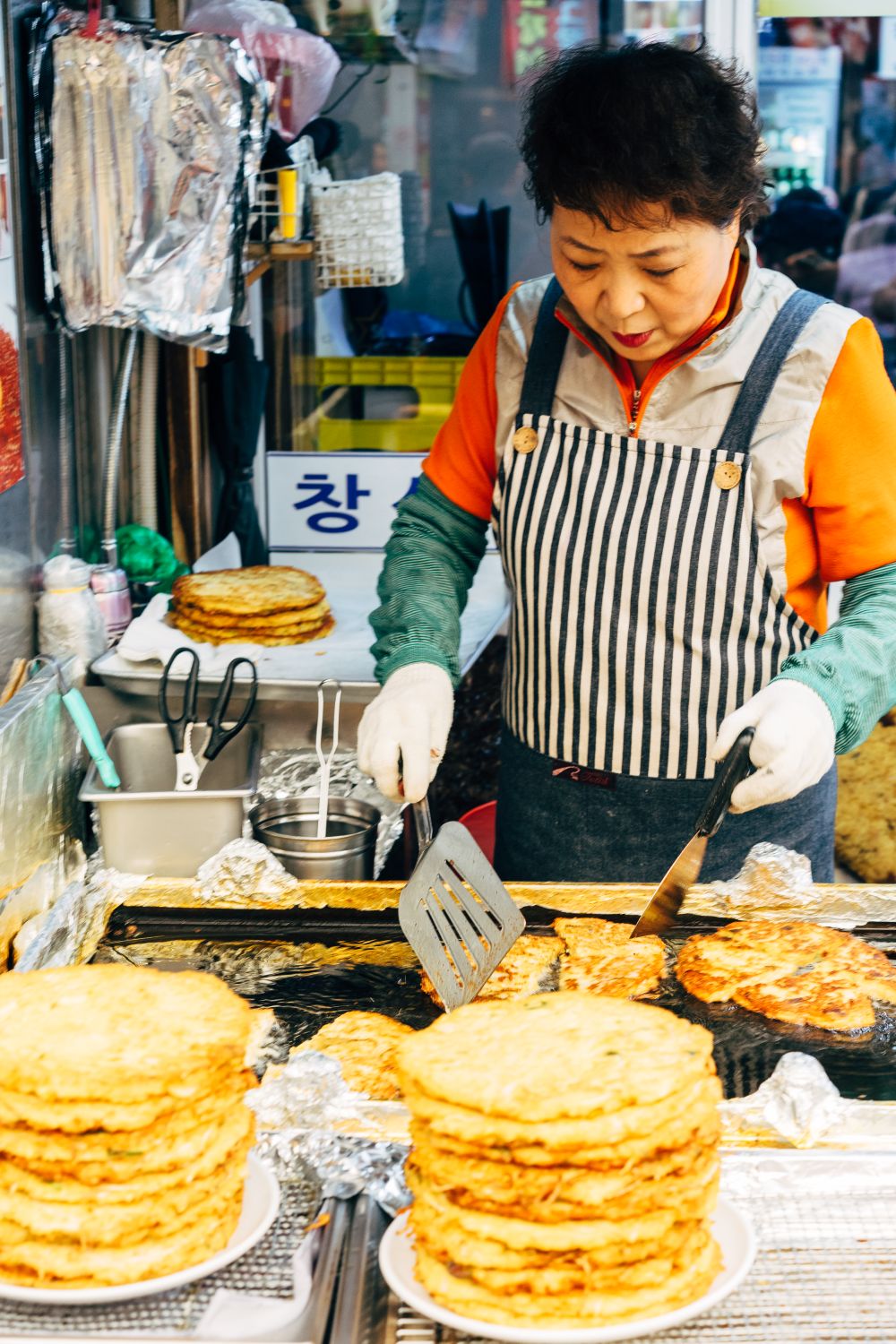
Flipping can look more intimidating than the batter-making, but waiting for a properly cooked underside helps. In her own recipe guidance, Ro advises, “The key is to wait until the bottom is nicely golden brown and flip it fast with confidence.” She also suggests smaller pancakes for easier handling. If you change the size, watch the cooking closely rather than assuming the timing for a larger pancake remains exact.
For Cho’s version, transfer each finished pancake to a paper-towel-lined cooling rack or plate and repeat, adding oil between batches. Her instructions allow you to increase the heat toward the end if needed to crisp the underside. That is a targeted adjustment, not a direction to cook every pancake over maximum heat. The goal is a golden surface and cooked batter, not dark edges around an underdone center.
While the pancakes cook, make the sauce: combine 2 tablespoons soy sauce, 1 tablespoon rice vinegar, 1 teaspoon each of toasted sesame oil and sugar, and 1/2 teaspoon gochugaru (Korean red-pepper flakes). The mixture supplies a salty, tangy accompaniment with a little heat. It is part of this recipe’s flavor balance, so you don’t need to finish the pancakes with syrup or treat them like a sweet breakfast stack.
Serve immediately for the intended texture. King Arthur’s recipe allows leftovers to sit in an airtight container in the refrigerator for up to two days, then reheat them in an oven or toaster oven on a wire rack over a baking sheet; it doesn’t specify a temperature or time. Fresh from the skillet, though, the attraction is clear: plentiful scallions, a thin golden coating, and a dipping sauce that gives an everyday vegetable a thoroughly satisfying starring role.