9 Grocery Store Habits That May Reveal Someone Is Feeling Lonely
A grocery store might seem like the last place someone would go looking for companionship. Between the crowded aisles, shopping carts, and endless choices, most people are focused on getting what they need and heading home. But for someone who spends much of their day alone, an ordinary grocery trip can offer something far more meaningful than a stocked refrigerator.
Sometimes, a friendly cashier or a familiar face in the produce section can brighten an otherwise quiet day. Research in the Journal of Nutrition Education and Behavior (2024) found that some older adults viewed grocery stores as places to socialize, stay busy, and see familiar people.
Although none of these nine behaviors prove someone is lonely, they show how everyday shopping can also create opportunities for human connection.
They Strike Up Conversations With Cashiers
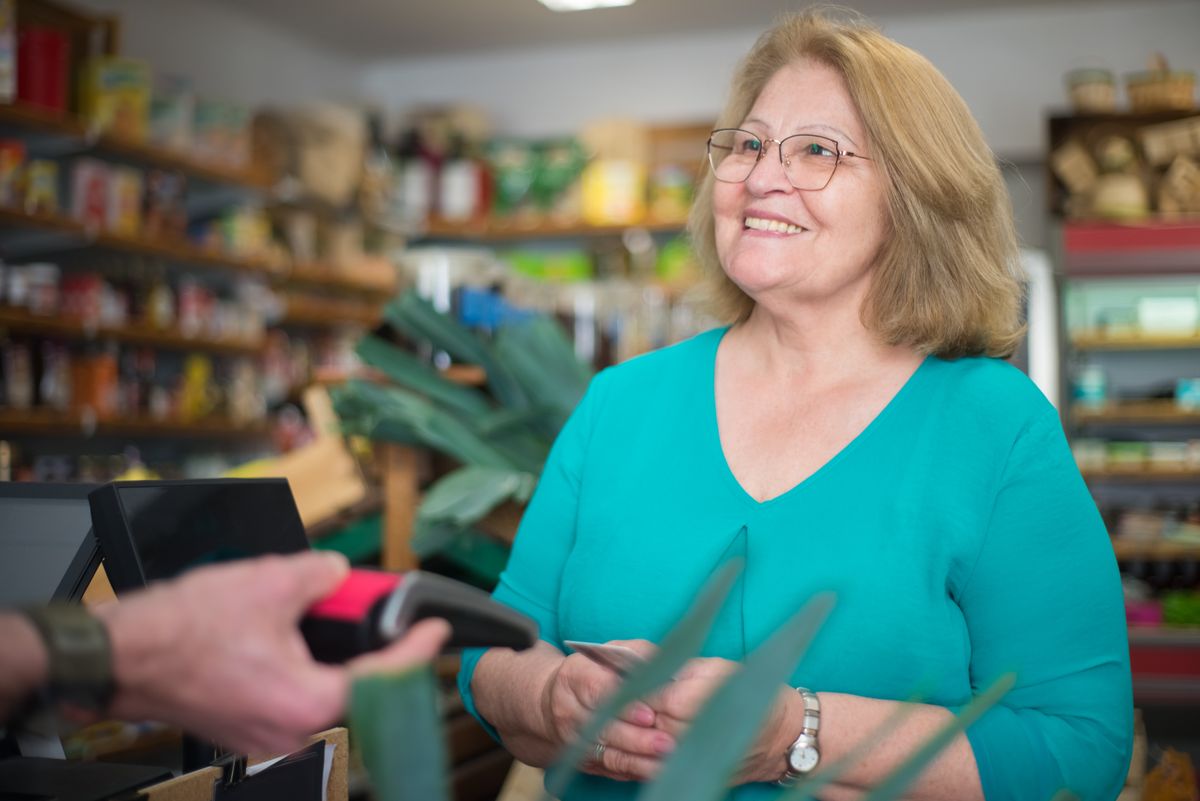
Most shoppers exchange a quick greeting with the cashier, pay for their groceries, and leave. However, someone craving conversation might turn that brief exchange into a longer discussion about the weather, an upcoming holiday, or something happening in the neighborhood. What starts as a simple question about the price of eggs can become the most enjoyable conversation of their afternoon.
For someone who spends long stretches alone, a warm greeting can feel especially meaningful. They might remember a cashier’s name, ask how their weekend went, or share a small detail about their own day. These interactions are ordinary and friendly, but they can also provide a welcome sense of connection.
Of course, plenty of naturally outgoing shoppers enjoy chatting with store employees. For someone experiencing loneliness, even a few minutes of pleasant conversation may carry special significance.
They Spend More Time Browsing Than Shopping
Some shoppers arrive with a carefully organized list and head straight toward the items they need. Others wander through several departments, examining products they have no intention of purchasing. While leisurely browsing is perfectly normal, it can also make a grocery trip feel like an outing rather than another household chore.
Imagine spending most of the morning in a quiet apartment with nowhere particular to go. Walking through a busy supermarket offers changing scenery, familiar sounds, and other people around. Even without speaking to anyone, being around everyday activity can feel different from sitting alone at home.
A person might spend extra time comparing coffee brands or checking out seasonal decorations simply because they don’t have to hurry. They eventually complete the shopping list, but the experience itself may matter as much as the purchases.
Related Post:11 Things Women May Do When They Feel Lonely but Don’t Say It
They Visit the Same Store Almost Every Day
For many households, one weekly grocery trip is enough to keep the refrigerator stocked. However, someone who enjoys getting out regularly might prefer several smaller visits throughout the week. They buy milk on Monday, return for bread on Tuesday, and stop by again when they remember another item.
These trips can create a comforting daily routine. The familiar store layout, recognizable employees, and chance encounters with neighbors can make the supermarket feel like part of their community. Having a predictable place to go can also give an otherwise unstructured afternoon a sense of purpose.
In a 2024 study of older adults’ everyday experiences, one participant described frequent grocery shopping as part of their social activity. The study illustrated how neighborhood shopping trips can serve purposes beyond buying necessities.
They Look for Familiar Faces in the Aisles
Have you ever run into an old neighbor at the grocery store and ended up talking longer than expected? For someone who misses regular companionship, an encounter like that can become a memorable part of the day. They might begin recognizing other regular shoppers, employees, or people who visit around the same time.
Over time, these familiar faces can create a small sense of belonging. A wave from someone near the bakery or a friendly greeting in the dairy aisle may seem insignificant to an observer. But being recognized can make a public place feel more personal.
Of course, recognizing other shoppers does not mean someone is lonely. Still, when meaningful interactions are scarce elsewhere, even casual familiarity can become something to appreciate.
They Ask Questions They Could Easily Answer Themselves
Some grocery-store conversations begin with questions that hardly require another person’s help. A shopper might ask an employee where the cereal is, even though they’re standing near the right aisle. Another might ask someone choosing tomatoes which variety they prefer.
Sometimes, these questions are genuine requests for information. Other times, they may offer a comfortable opening for a friendly exchange without the awkwardness of approaching a stranger.
A conversation about ripe avocados can naturally lead to favorite recipes or memories of family dinners. That does not mean every unusual question hides loneliness. It simply shows how ordinary subjects make connecting with others easier when there is no obvious reason to start talking.
They Take Their Time at Free Samples and Demonstrations
A supermarket offering food samples or product demonstrations provides more than an opportunity to discover something new. It creates a setting where conversation feels natural, especially when an employee explains a recipe or introduces an unfamiliar product. Shoppers can ask questions, share opinions, and talk about their own cooking experiences.
For someone who enjoys casual interaction, these moments may be particularly appealing. They might linger to discuss preparation methods or explain how they would serve the featured food at home. The exchange gives them something interesting to talk about without requiring a formal social invitation.
Naturally, some people love trying new products before spending money on them. But for others, the friendly atmosphere surrounding a demonstration may be part of what makes the experience enjoyable.
They Share Personal Stories With Store Employees
A routine comment about groceries can sometimes turn into an unexpectedly personal conversation. A shopper might mention that a certain brand reminds them of their childhood, or explain that they are preparing a meal their late spouse once loved. What begins as everyday small talk gradually becomes a glimpse into someone’s life.
These stories may feel especially meaningful when fewer people are at home to share them. Talking about family traditions, old recipes, and memorable celebrations can provide opportunities to revisit experiences that still matter. A patient listener may help someone feel that their stories are worth telling.
Still, sharing personal memories does not automatically indicate emotional isolation. Some people are simply comfortable talking about their lives, regardless of how many close relationships they have.
They Prefer Checkout Lines With Real Cashiers
Self-checkout machines are convenient, particularly when someone has only a few items and wants to leave quickly. But not every shopper considers speed the most important part of the experience. Some deliberately choose a staffed register because they enjoy the greeting and brief conversation that come with it.
A familiar cashier might ask whether they found everything they needed or comment on an upcoming holiday. For a shopper who has spent the day alone, that interaction can provide a small but welcome moment of acknowledgment.
In a 2023 PBS interview, then-U.S. Surgeon General Vivek Murthy discussed how conveniences such as grocery delivery can reduce opportunities for spontaneous social interaction. His broader point was that everyday encounters help people stay connected to their communities.
Choosing a staffed checkout may be a matter of preference, but it can also reflect how much someone values everyday human contact.
They Linger After Finishing Their Shopping
Perhaps the most touching possibility is the shopper who has already bought everything but doesn’t seem eager to leave. They might pause near the entrance, sit in an available seating area, or spend a little more time looking at displays before heading outside. Their groceries are packed, yet they stay longer.
For someone returning to an empty house, there may be little urgency to get home. The store offers movement, conversation, and a sense of participating in the ordinary rhythm of neighborhood life. Leaving can mean returning to a quieter environment where those small interactions are less likely.
Of course, people linger for countless practical reasons, including waiting for transportation or checking their receipts. It would be unfair to assume a shopper who takes their time is lonely.
Yet the possibility invites a little more kindness toward the strangers we encounter. The 2023 U.S. Surgeon General’s advisory emphasized that social connection includes everyday interactions within neighborhoods and communities, not only close relationships.
Sometimes, the most meaningful thing someone brings home from the grocery store isn’t in a shopping bag at all. It is the memory of a friendly conversation, a familiar smile, or a few minutes of feeling connected to the world around them.
Posts You Might Like:
8 Silent Cries for Help Many Lonely Wives Never Say Out Loud
People Who Can Be Alone All Day Often Rely on These 7 Simple Routines