10 Foods That Have Changed So Much Since the 1960s That Some People Want the Originals Back
Have you ever bitten into a favorite food and thought, “This doesn’t taste the way it used to”? You are not imagining things. Many of the foods people grew up eating in the 1960s have changed over the decades, sometimes in small ways and sometimes dramatically.
Recipes have been reformulated to cut costs, extend shelf life, or respond to health concerns. Fruits and vegetables have been bred to travel long distances and look perfect on store shelves. Even beloved snacks and fast foods have been quietly adjusted, often without much fanfare.
For people who remember the originals, these changes can be frustrating. Here are ten foods that have changed so much since the 1960s that some people want the originals back, and the reasons behind the changes.

1. Supermarket Tomatoes
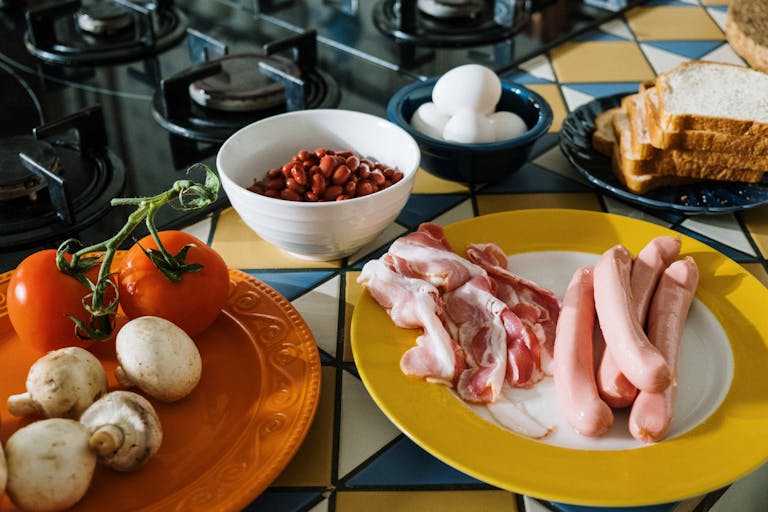
Many older Americans remember tomatoes that were juicy, sweet, and bursting with flavor. Today, supermarket tomatoes are often firm, pale inside, and disappointingly bland. The difference is not just nostalgia.

Tomatoes have been bred for decades to ripen evenly, travel well, and last longer on store shelves. Researchers have found that a common trait bred into tomatoes for uniform red color also reduced their sugar and flavor, as National Geographic reported on a 2012 study. That is one reason why garden-grown and heirloom tomatoes taste so much better.
2. Red Delicious Apples
In the 1960s, Red Delicious apples were the most popular apples in America. They were sweet and crisp, and they filled lunchboxes everywhere. Over time, however, growers selected for apples with a deeper red color and longer shelf life.
Many people believe these changes came at the expense of flavor and texture. Red Delicious apples are now often described as mealy and bland. Many shoppers have switched to varieties like Honeycrisp and Gala, which were bred with taste in mind.
3. Strawberries
Older shoppers often remember small, deep red strawberries that tasted incredibly sweet. Today’s supermarket strawberries are much larger, more uniform, and available all year long. They look beautiful, but many people say they are less flavorful.
Like tomatoes, commercial strawberries have been bred for size, durability, and shipping. Many people now seek out local strawberries at farmers markets during the summer. Those smaller berries often taste much closer to the ones they remember from childhood.
4. Supermarket Chicken
Chicken has changed dramatically since the 1960s. Today’s broiler chickens grow much faster and much larger than chickens did decades ago, thanks to selective breeding and modern farming methods. This has made chicken much cheaper and more available.
Some cooks, however, say modern chicken has less flavor and a different texture. Many grandmothers remember buying smaller, more flavorful chickens from local farms. Today, heritage breeds and pasture-raised chickens are popular among people trying to recapture that taste.
5. McDonald’s French Fries
Many baby boomers swear that McDonald’s fries tasted better when they were young, and there is a reason. For decades, McDonald’s cooked its fries in a blend that was mostly beef tallow, which gave them a rich flavor. In 1990, the chain switched to vegetable oil because of health concerns about saturated fat.
The company added flavoring to try to recreate the original taste, but many people insist it was never the same. Some restaurants and home cooks now fry potatoes in beef tallow again, hoping to recapture the flavor of the original fries.
6. Coca-Cola
The Coca-Cola that people drank in the 1960s was sweetened with cane sugar. In the 1980s, Coca-Cola in the United States began using high-fructose corn syrup, which was cheaper. Some people say this changed the taste.
The famous New Coke disaster of 1985, when the company changed its formula and faced a massive backlash, also showed how attached people are to the original. Today, many fans seek out Mexican Coca-Cola, which is made with cane sugar and sold in glass bottles, to get a taste closer to the old version.
7. Oreo Cookies
Oreos have been around since 1912, but they have changed over the years. For much of their history, the creamy filling was made with lard. In the 1990s, the company replaced lard with vegetable oil, partly to make the cookies acceptable to more customers.
Some longtime fans say the texture and taste of the filling changed. Oreos have also been released in countless new flavors and sizes, which some people love and others find overwhelming. For purists, nothing beats the classic cookie they remember from childhood.
8. Twinkies
Twinkies were once a lunchbox staple, and many people remember them as bigger and fluffier than today’s version. When Hostess went bankrupt in 2012 and the snack cakes returned under new ownership in 2013, the recipe and packaging had changed.
The new Twinkies were slightly smaller, and their shelf life was extended to 45 days. Some fans felt the taste and texture were different. Despite the changes, Twinkies remain an iconic American snack.
9. Ice Cream
Older Americans remember ice cream as rich, creamy, and dense. Today, some products that look like ice cream are actually labeled “frozen dairy dessert.” These products contain less milk fat than required to legally be called ice cream.
Many people do not notice the difference until they read the label carefully. Some brands also add more air to their products, making them lighter and less satisfying. Shoppers who want the real thing often have to look carefully for the words “ice cream” on the package.
10. Candy Bars
Many people remember candy bars that were much bigger when they were kids. They are not imagining it. Over the years, many candy bars have shrunk in size while their prices increased, a practice often called shrinkflation.
Ingredients have also changed in some cases, with companies switching to cheaper fats and sweeteners. Some fans say their favorite bars taste different than they did decades ago. For many people, the candy bar of their childhood exists only in memory.
How to Get Closer to the Original Taste
The good news is that some of these older flavors can still be found. Farmers markets often sell heirloom tomatoes, local strawberries, and apples grown for flavor rather than shipping. Pasture-raised chickens from small farms tend to grow more slowly, and many cooks believe they taste closer to the birds their grandmothers bought.
For processed foods, reading labels can help. Look for ice cream that is actually labeled “ice cream,” sodas made with cane sugar, and baked goods made with butter. Some small bakeries and specialty shops still use old-fashioned recipes, and their products can taste remarkably like the treats people remember.
Cooking at home is another way to bring back the past. Frying potatoes in beef tallow, baking cookies with real butter, and growing your own tomatoes can recapture flavors that are hard to buy today. Many of these changes are part of a bigger story about the vanished grocery items of the 1960s, and of the everyday things only people who grew up in that era still remember.
Why We Miss the Originals
Part of the longing for these original foods is nostalgia, but part of it is real. Many foods have been changed to make them cheaper, last longer, or appeal to a wider audience. Sometimes those changes come at the cost of flavor.
The foods may have changed, but the memories have not. A ripe garden tomato or a slice of real ice cream can still taste like 1965 if you know where to look.