Mashed Potatoes Taste So Much Richer When You Stir In This Fridge Staple
Mashed potatoes are one of those dishes everyone thinks they can make, and yet so many bowls end up bland, gluey, or watery. At Thanksgiving, they sit right next to the turkey, and they’re often the first thing guests reach for. When they’re good, people talk about them for years. When they’re not, they quietly get pushed to the side of the plate.
Most home cooks reach for butter and milk, and some add a splash of cream. Those are classic choices, and they work. But there’s one ingredient sitting in most refrigerators that can make mashed potatoes taste richer, creamier, and more luxurious with almost no extra effort.
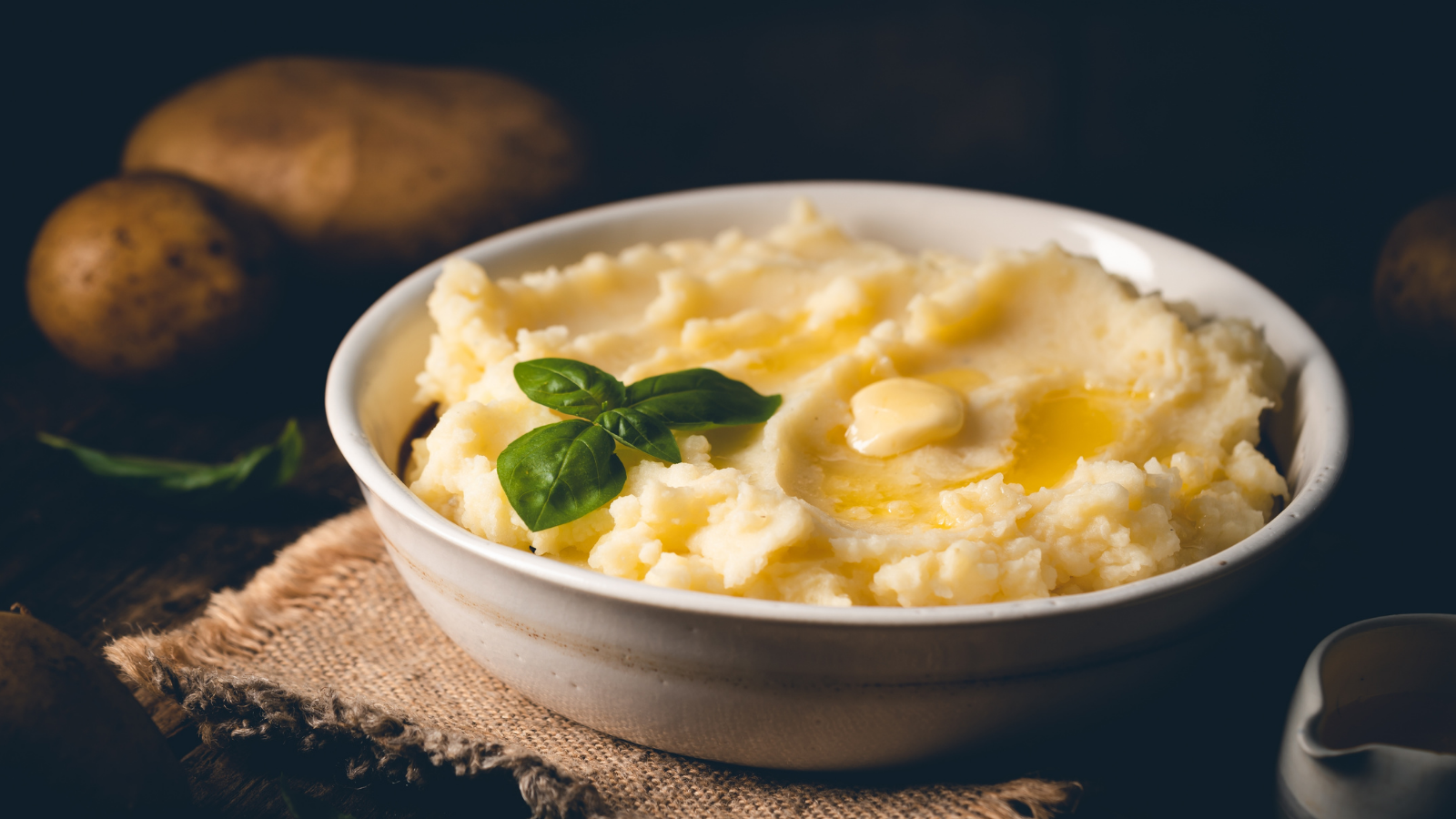
That ingredient is cream cheese. Just a few ounces stirred in at the end turns ordinary mashed potatoes into something that tastes like it came from a steakhouse. Here’s why it works, how to use it, and a few other tips for getting your mashed potatoes just right.
Why Cream Cheese Works So Well
Cream cheese is rich and smooth, and it melts easily into hot potatoes. It adds fat, which makes the potatoes taste richer, and a gentle tang that balances the heaviness of butter. That slight tang is what keeps the potatoes from tasting flat.
It also gives mashed potatoes a thicker, silkier texture. Because cream cheese is dense, it helps the potatoes hold together without becoming runny. Many home cooks say it makes them taste like they’ve been whipped with cream, even when they haven’t.
Cream cheese has another big advantage: it helps mashed potatoes hold up when they’re made ahead. That’s why many make-ahead and casserole-style mashed potato recipes, the kind you bake in a dish and reheat for holidays, call for cream cheese. The potatoes stay creamy instead of drying out in the oven.
How Much to Use
For about three pounds of potatoes, start with four ounces of cream cheese, or half of a standard block. Some people like to use a full eight-ounce block for extra-rich potatoes, especially for holiday dinners. Start with less, taste, and add more if you want.
Let the cream cheese soften at room temperature before adding it, or cut it into small cubes so it melts quickly. Stir it into the hot potatoes along with your butter and warm milk. The heat of the potatoes will melt it smoothly.
Choosing the Right Potatoes
The type of potato you use makes a big difference. Russet potatoes are high in starch and make light, fluffy mashed potatoes. Yukon Gold potatoes have a naturally buttery flavor and a creamy texture. Many cooks like to use Yukon Golds, or a mix of both.
Waxy potatoes, like red potatoes, can be used too, especially if you like chunky “smashed” potatoes with the skins on. But they won’t be as fluffy. Whatever you choose, cut the potatoes into similar-sized pieces so they cook evenly.
Start in Cold Water
Many food experts recommend starting potatoes in cold, salted water and then bringing it to a boil. This helps the potatoes cook evenly from the outside in. If you drop them into already boiling water, the outsides can turn mushy before the centers are done.
Salt the water generously, just as you would for pasta. Potatoes absorb salt as they cook, which seasons them all the way through. It’s much harder to get the flavor right if you only add salt at the end.
Don’t Overwork Them
One of the most common mistakes with mashed potatoes is overmixing. When potatoes are mashed too hard, especially with an electric mixer or food processor, they release too much starch and turn gluey. Food scientists say this happens because the potato cells break open and release their starch.
For the best texture, use a potato masher or a ricer, and mix just until smooth. Fold in the cream cheese, butter, and milk gently. If you like your potatoes very smooth, a ricer is the best tool, since it breaks them up without overworking them.
Warm Your Dairy
Adding cold milk or butter to hot potatoes can cool them down and make them harder to mix. It can also make the texture less smooth. Warming the milk and butter in a small saucepan or in the microwave before adding them helps everything blend together easily.
The same goes for cream cheese. Softened cream cheese melts in quickly, while cold cream cheese can leave lumps. Taking a few minutes to bring your ingredients to the right temperature makes a big difference.
Other Fridge Staples That Work
If you don’t have cream cheese, a few other refrigerator staples can give similar results. Sour cream adds tang and creaminess, and many cooks love it in mashed potatoes. Buttermilk gives a lighter tang. Greek yogurt can work too, though it’s tangier and thinner.
A handful of grated Parmesan or sharp cheddar can also add rich flavor. Some cooks like to stir in roasted garlic, chopped chives, or a little fresh black pepper. These add-ins can make mashed potatoes taste special with very little effort.
A Grandma-Approved Trick
Many grandmothers have been adding cream cheese to their mashed potatoes for decades, especially in casseroles for church suppers and holiday dinners. Some called them “company potatoes” or “party potatoes.” They made them a day ahead, spread them in a baking dish, and warmed them in the oven before dinner.
It’s one of those simple tricks that gets passed down from one generation to the next. Many of the best cooking tips come from grandmothers’ kitchens, where they were tested over years of family dinners. Food writers at Serious Eats have also spent years explaining the science behind creamy, fluffy potatoes.
Make-Ahead Tips for the Holidays
If you’re making mashed potatoes for a big holiday dinner, cream cheese is especially helpful. Make the potatoes a day ahead, spread them in a buttered baking dish, cover, and refrigerate. Before dinner, bake them until hot, adding a little extra butter on top.
The cream cheese keeps the potatoes moist and creamy, even after reheating. This frees up stovetop space and time on the big day. Many cooks swear by this trick for Thanksgiving and Christmas, and it’s one of the most useful kitchen tricks you can learn.
The Bottom Line
Mashed potatoes don’t need to be complicated to taste amazing. A few ounces of cream cheese can make them richer, creamier, and more forgiving, especially for make-ahead holiday meals. Combined with the right potatoes and a gentle hand, it’s a simple trick that makes a big difference.
Next time you make mashed potatoes, try stirring in some cream cheese and see if your family notices. Many cooks say once they try it, they never go back.
Have you ever added cream cheese to your mashed potatoes, or do you have a different secret ingredient? Many readers say their grandmother’s “company potatoes” were the best they ever tasted.