Mamdani Secures 90-Day SNAP Extension Nationwide, Giving Small Stores More Time to Meet New Food Rules
Small neighborhood grocery stores across the United States have received some much-needed breathing room after the federal government agreed to give SNAP-authorized retailers an additional 90 days to meet new food stocking requirements.
The extension, which took effect November 13, 2026, follows weeks of concerns from convenience store owners, bodega operators, industry groups, and local officials. New York City Mayor Zohran Mamdani says he spoke directly with President Donald Trump and Agriculture Secretary Brooke Rollins about the difficulties small retailers were facing.
What began as a concern among New York City bodega owners has now become a nationwide issue. The USDA has officially confirmed the extension, meaning stores nationwide will have more time to prepare for the updated requirements.
For small businesses operating with limited space, tight budgets, and fewer suppliers than major supermarkets, the extra time could make a significant difference.
What Are the New SNAP Rules?

The updated requirements come from a USDA regulation called the Updated Staple Food Stocking Standards for Retailers in the Supplemental Nutrition Assistance Program.
The final rule was published on May 8, 2026, and became legally effective on July 7. However, November 4 was the original deadline for retailers to meet the new stocking standards.
Under the previous requirements, stores qualifying through their food inventory had to offer at least three varieties of staple foods in each of four categories.
The updated rule raises that number to seven varieties per category.
The four categories are dairy, grains, protein, and fruits and vegetables, which count as one combined category.
That means qualifying stores must carry at least 28 different varieties of staple foods. They must also have three stocking units of each variety, bringing the minimum to 84 stocking units.
There is another important requirement. At least one variety in three of the four food categories must be perishable.
However, this does not mean every store must stock fresh vegetables or fresh fruit. USDA rules allow qualifying frozen, refrigerated, and other perishable foods to count.
The goal is to ensure SNAP-authorized retailers offer a wider selection of staple foods rather than operating with only a limited range of qualifying products.
Why Are Small Grocery Stores Worried?
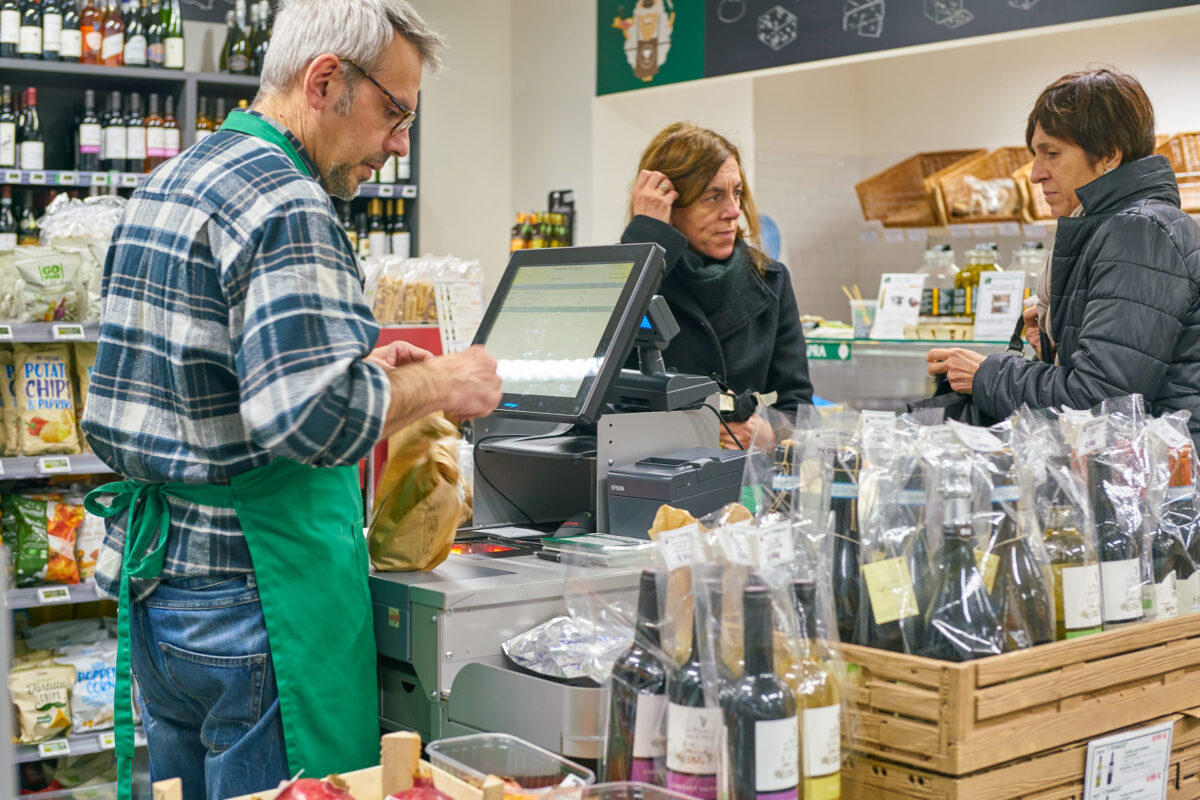
For a large supermarket, adding more food varieties may not be particularly difficult. These businesses generally have larger storage areas, more refrigerators, established supplier relationships, and more room to display products.
A small neighborhood store has a different reality.
Many bodegas operate with just a few aisles, limited refrigeration, and shelves already filled with products customers regularly purchase.
Adding more varieties could mean changing store layouts, buying additional refrigerators, finding new distributors, and ordering products that may not sell quickly.
Store owners have also raised questions about which products actually qualify under the new rules.
For example, stocking seven different brands of milk does not automatically satisfy the requirement for seven distinct varieties. USDA uses specific food classifications to determine what counts.
Some products that shoppers might consider staple foods, including butter, beef jerky, cheese dip, snack bars, and fruit spreads, are classified as accessory foods and do not count toward the retailer’s qualifying inventory.
These products can generally still be purchased using SNAP benefits, subject to applicable restrictions. The distinction is that they cannot be used to satisfy the store’s staple-food stocking requirements.
As Kenny Minaya, commissioner of the city’s Department of Small Business Services, explained in the city’s announcement, store owners were asking three basic questions: which products count, where to buy them, and where to put them.
Those questions highlight why smaller businesses wanted more time before enforcement began.
More Than 200 Retailers Asked for Additional Time

The concerns were not limited to New York.
Industry groups, including the National Association of Convenience Stores (NACS), NATSO, and SIGMA, raised concerns about the implementation timeline.
In an October 27 letter, the organizations described a coalition representing nearly 250 convenience retailers and more than 40,000 locations across all 50 states.
The retailers requested clearer written guidance and additional time to adjust their inventories and operations.
Their concerns included limited shelf space, refrigeration costs, changing suppliers, and the possibility of food spoilage when stores are required to stock products that customers may not regularly purchase.
Some retailers also argued that detailed implementation guidance arrived too late for businesses to prepare comfortably.
The USDA estimates that small retailers needing additional varieties could face an average first-year cost of approximately $407. However, this is a regulatory estimate, not a guaranteed figure for every store. Businesses that need major equipment changes could face different expenses.
What Happens If a Store Does Not Comply?
The consequences of failing to meet the requirements can be serious.
A store that no longer meets the necessary SNAP retailer eligibility standards could lose its authorization to accept SNAP benefits.
Under the relevant federal regulations, certain stores whose authorization is denied or withdrawn must wait at least six months before submitting a new application.
However, this does not mean every store automatically loses its SNAP authorization because of a stocking shortage on a particular day.
USDA has procedures for assessing retailer eligibility, notifying businesses of decisions, and allowing administrative reviews. Retailers may also provide qualifying purchase or delivery records to document inventory during an inspection.
For small businesses that depend heavily on SNAP customers, losing authorization could create additional financial pressure.
Mamdani’s November 2 letter cited estimates from bodega organizations suggesting SNAP transactions account for approximately 15% to 20% of sales at a typical store, with some Bronx businesses reporting figures as high as 30%. These figures are estimates, not independently verified sales data.
How the 90-Day Extension Came About
Mamdani became increasingly involved after hearing concerns from neighborhood business owners.
On November 2, he sent a letter to Agriculture Secretary Brooke Rollins requesting that enforcement be delayed until May 4, 2027.
He argued the government could improve food availability without creating unnecessary difficulties for small retailers and the communities that depend on them.
The mayor also said he spoke with Trump and Rollins about the situation.
On November 13, Mamdani announced that the federal government had agreed to provide a nationwide 90-day extension.
More importantly, the USDA independently confirmed the decision in its retailer guidance, stating that the extension took effect November 13, 2026.
The announcement means the relief is not limited to New York City. SNAP-authorized retailers throughout the country are covered by the extension.
However, the decision does not cancel the new stocking requirements. It gives retailers additional time to comply.
Some details about how pending authorization decisions and inspections will be handled during the extension have not yet been fully explained in the public notice.
Why the Extension Matters Beyond Store Owners
The debate is also about the people who shop at small neighborhood stores.
Not every American lives close to a large supermarket. Some families depend on nearby convenience stores because they do not own vehicles, have limited transportation options, or cannot easily travel long distances for groceries.
USDA research has highlighted the challenges households face when they have limited access to larger grocery stores. Its more recent mapping also found that approximately 7.2 million SNAP-receiving households were more than half a mile from a SNAP-authorized retailer.
That makes neighborhood stores an important part of the shopping options available to some communities.
If smaller retailers stop accepting SNAP, customers could face additional difficulties finding convenient places to purchase groceries.
At the same time, the USDA argues that stronger stocking standards can help SNAP participants access a wider selection of staple foods.
Both concerns are important. Better food availability matters, but so does making sure people can actually reach the stores where they use their benefits.
For now, the 90-day extension gives retailers more time to adjust while the federal government implements its updated standards.
The bigger question is whether that additional time will be enough to address the practical challenges facing America’s smallest grocery stores.