10 Weird Recipes From Old Cookbooks That People Actually Made
Flip through a stack of old cookbooks, recipe cards or church fundraiser booklets and you will find dishes that make you stop and read twice. Bananas wrapped in ham? Cake made with tomato soup? Fudge built on processed cheese? These were not jokes or dares, either. Real home cooks made them for real dinner tables, and plenty of families loved them.
Many of these strange recipes came from food companies trying to sell more of their products, from soup makers to gelatin brands. Others came out of hard times, when cooks had to stretch what was in the pantry. A few were simply the fashion of the moment, when a dish that looked clever on a party table was worth more than one that made sense.
Some of these oddballs still have loyal fans today, while others are better left in the past. Here are ten weird recipes from old cookbooks that people actually made, and the stories behind how they ended up on the menu.
1. Perfection Salad
Long before Jell-O molds ruled the potluck table, there was Perfection Salad. It was a tangy, vinegary gelatin mold packed with shredded cabbage, celery and red pepper. According to Mental Floss, the dish dates to 1904, when Mrs. John E. Cook of New Castle, Pennsylvania, won third place and a sewing machine in a recipe contest with it.
The original was served diced with mayonnaise inside hollowed-out peppers. It stayed a favorite of homemaking magazines for decades and helped kick off America’s long love affair with savory gelatin salads. Today, a shimmering mold of cold cabbage sounds odd to most people, but it was the height of elegance in its day.
2. Candle Salad
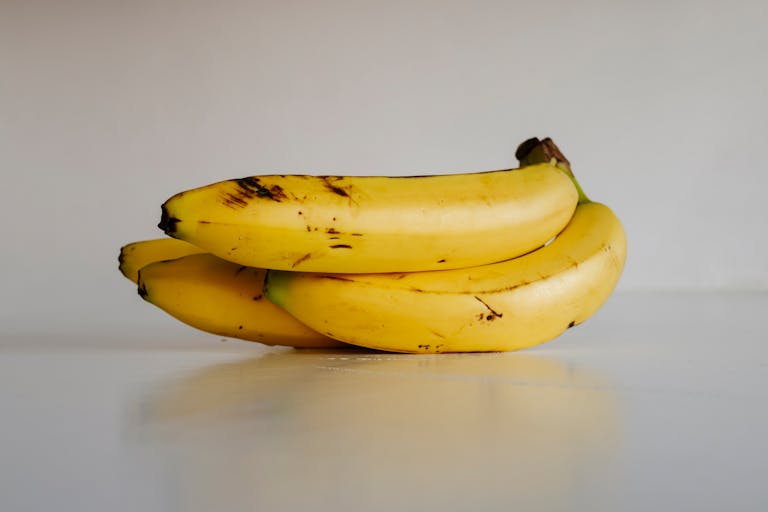
Candle salad might be the most famous kids’ recipe that grown-ups now find hilarious. It was made by standing half a banana upright in the hole of a canned pineapple ring, then topping it with a maraschino cherry on a toothpick to look like a flame. Some versions drizzled mayonnaise or whipped cream down one side to suggest melting wax.
Mental Floss traces the dish back to the 1910s, and it stayed popular for decades in children’s cookbooks. Kids could make it without a knife, which was a big part of the appeal. Modern eyes see something a little cheeky in the shape, but generations of moms served it at lunch with a straight face.
3. Ham and Bananas Hollandaise
If one recipe sums up the strangeness of 1970s party food, it is ham and bananas hollandaise. Whole bananas were brushed with mustard, wrapped in thin slices of ham, baked and then smothered in hollandaise sauce. Food Republic reports that this version appeared in 1973 in McCall’s Great American Recipe Card Collection, released ahead of America’s 200th anniversary.
It was not even the first of its kind. Food Republic notes that a simpler ham, banana and cheese roll-up was published back in the 1940s by the United Fruit Company. The recipe card photo has since become an internet favorite, with people sharing it as one of the oddest dishes of the era.
4. Tomato Soup Cake
Tomato soup cake sounds like a mistake, but it was a beloved spice cake for generations. Condensed tomato soup went into the batter along with sugar, flour, shortening and warm spices like cinnamon, nutmeg and cloves. The Daily Meal notes that Campbell’s dates the cake to the late 1920s or early 1930s, and its 1940 version was the first recipe ever printed on a Campbell’s soup label.
The soup gave the cake moisture and a slightly tangy sweetness, and the spices covered up any hint of tomato. Many families frosted it with cream cheese icing, which made it taste a lot like carrot cake. People who try it today are often surprised at how good it is.
5. Mock Apple Pie
Mock apple pie looks like a regular apple pie, smells like one and even tastes surprisingly close. The trick is that there are no apples in it at all. The filling is made with buttery crackers boiled in a syrup of sugar, water, lemon juice and cream of tartar, then baked in a double crust with cinnamon.
According to Chowhound, the idea goes back at least to 1857, when a “cracker pie” recipe ran in The Saturday Evening Post. It really took off after Ritz crackers were introduced in 1934, when Nabisco printed the recipe on its boxes for decades. Many cooks served it to unsuspecting guests just to see if anyone could tell.
6. Chocolate Mayonnaise Cake
Chocolate mayonnaise cake is one of those recipes that sounds wrong until you think about what mayonnaise is made of. It is mostly eggs, oil and a little acid, which is exactly what a moist cake needs. A cup of mayonnaise could stand in for some of the eggs and fat in a standard chocolate cake.
The Daily Meal reports that a version ran in the Oakland Tribune as early as 1927, and that mayonnaise brands like Best Foods and Miracle Whip later published their own recipes. The cake became especially handy when butter and dairy were scarce or expensive. It is still a favorite among bakers who swear it never comes out dry.
7. Chocolate Sauerkraut Cake
Chocolate sauerkraut cake is a real recipe, and people still make it. Drained, chopped sauerkraut is folded into a chocolate cake batter, where it adds moisture and a chewy texture a bit like shredded coconut. The tang offsets the sweetness without making the cake taste like a Reuben.
Its origins are murky. The Takeout shares one popular story that credits a Chicago high school lunch worker named Geraldine Timms, who supposedly used up surplus canned sauerkraut in 1962. Another account traces a version to World War II rationing. Either way, it shows up in plenty of church and community cookbooks.
8. Frankfurter Crown Casserole
In the 1960s, even hot dogs got dressed up for company. The frankfurter crown casserole was a baked dish of potatoes, green beans and onions in condensed cream of mushroom soup, with halved hot dogs standing up around the edge to look like a royal crown. It was usually topped with crumbled bacon and baked for about half an hour.
Chowhound credits Campbell’s with popularizing the dish through print ads and cookbooks. It was cheap, filling and sure to get a reaction from the kids. To modern cooks, it looks like a cross between a casserole and a birthday cake made of wieners.
9. Velveeta Fudge
Velveeta fudge sounds like something dreamed up on a dare, but it was a real recipe passed around in church and community cookbooks. Cooks melted Velveeta with butter, cocoa or chocolate and vanilla, then beat in powdered sugar and chopped nuts before chilling it in a pan. Tasting Table points to a version shared from a vintage Baptist community cookbook.
The processed cheese gives the fudge an ultra-smooth, creamy texture, and its mild flavor gets lost under the chocolate. Home cooks discussing it online have called it a “trust the process” kind of recipe that turns out far better than it sounds. It is easy to picture a tray of it on a holiday cookie table, with nobody guessing the secret ingredient.
10. Hot Dr Pepper
Not every odd recipe was a casserole or a cake. In the 1960s, Dr Pepper encouraged people to drink its soda hot, especially during the winter months when cold drink sales dropped. The method was simple: heat the soda on the stove to about 180°F and pour it over a thin slice of lemon in a mug.
Tasting Table calls it a short-lived fad, though it stayed popular in parts of the South, especially Texas. Some families still make it as a holiday tradition. It belongs right next to the other bizarre 1960s food trends that many people would rather forget.
Strange, But Somebody Loved Them
It is easy to laugh at these recipes now, but they tell a real story about how Americans cooked. Food companies were inventing new ways to sell their products, home cooks were making do with what was cheap and handy, and everyone wanted their party table to look a little more exciting. Some of these dishes were genuinely good, which is why they lasted as long as they did.
The rest are a reminder that every era has its food fads, and ours will look just as odd someday. They also fit right in with the American foods that make visitors from other countries do a double take. Did your family ever make one of these strange recipes, and would you dare to try it today? Tell us in the comments.