The Drink Ordering Habit That Sends Up Red Flags for Bartenders
Picture yourself in a crowded bar on a Friday night. Music is playing, people are chatting, and the bartender is moving between customers, trying to keep up with orders. You have been waiting for a few minutes, and instead of simply getting their attention, you decide to snap your fingers. It might seem like a harmless way to get noticed, but bartenders often see it differently.
Finger-snapping is one of the recurring complaints among bar professionals. The problem is not that customers want service. It is how they sometimes demand it. A gesture that seems convenient to one person can come across as disrespectful or condescending to the person behind the counter.
In a May 2026 interview with Southern Living, Sean Potter, CEO of Built On Hospitality, offered a simple warning: “Try not to snap, wave money, or tap your glass to get attention. We see you.”
Here is why this familiar drink-ordering habit can leave a bad impression and what customers can do instead.
Snapping Your Fingers to Get the Bartender’s Attention
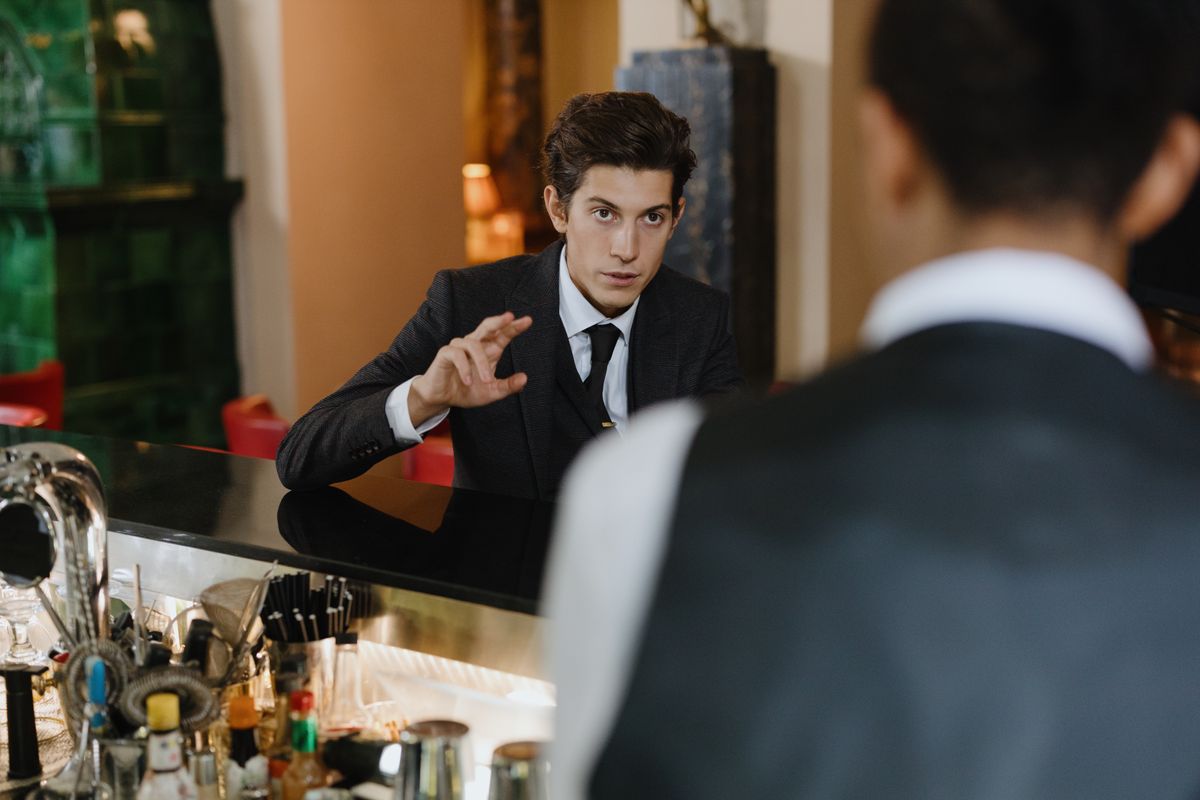
Finger-snapping might feel like a quick way to communicate in a noisy bar, but it can make the interaction feel more like a command than a polite request.
Imagine someone standing behind a counter preparing drinks, handling payments, answering questions, and keeping track of several customers. Suddenly, someone starts snapping their fingers as if calling someone across the room. That is exactly the kind of interaction many bartenders dislike.
Julien Levy, a former New York City bartender with more than a decade of experience, discussed this issue in an April 2026 Time Out interview. He explained that bartenders dislike being summoned through finger-snapping and whistling.
The concern is not necessarily that every customer who snaps intends to be rude. Some people may have learned the habit by watching others. However, the gesture can communicate impatience and a sense of entitlement.
Jeffrey Morgenthaler, who was identified as the bar manager at Portland’s Pépé Le Moko in a 2014 interview, offered similar advice about waiting for service.
“Wait patiently. We know what we’re doing, we know who’s next. We’ll be with you as soon as we can.”
The message is straightforward: wanting a drink is perfectly reasonable, but snapping at someone to demand attention is unnecessary.
Whistling or Shouting Across the Bar Is Not Much Better
If snapping is one way customers try to get attention, whistling and shouting are two others that can create the same problem.
A crowded bar can be noisy, and customers sometimes feel they need to raise their voices to be heard. However, there is a difference between speaking clearly and shouting commands across the room.
Levy’s Time Out interview groups whistling and finger-snapping to summon bartenders, which professionals find disrespectful.
Think about how the gesture might feel from the other side of the counter. A bartender is already moving between several responsibilities. Being whistled at can make the interaction feel less like a normal customer-service conversation and more like someone is calling an animal.
Customers don’t need to stay completely silent or wait without communicating. If the bartender has not noticed them, a polite greeting or small signal may help.
The important thing is to get someone’s attention without making them feel they are being ordered around.
Waving Money or Tapping Your Card Does Not Make You Next
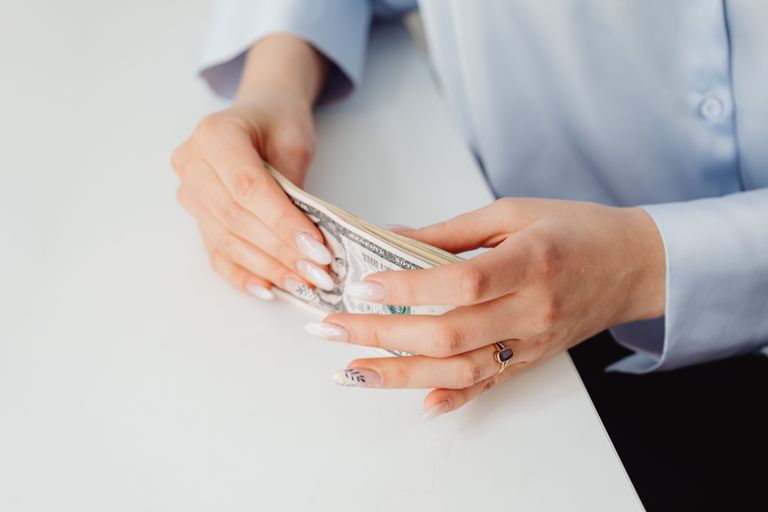
Some customers believe showing cash or holding a payment card in the air will encourage a bartender to serve them faster.
Others tap their glasses against the counter or repeatedly gesture toward their wallets. Unfortunately, these actions can create the wrong impression.
Sean Potter of Built On Hospitality specifically warned customers against snapping, waving money, and tapping their glasses to get attention.
His point is that bartenders already have a working system for managing orders. Displaying money does not automatically make one customer more deserving of attention than another.
VinePair has also addressed this behavior in its bar-etiquette advice, warning against waving money in the air to attract service.
There is nothing wrong with having your payment ready. In fact, being prepared can make the transaction easier once the bartender reaches you.
The problem begins when money becomes a tool for demanding priority. A little patience can make the entire interaction more comfortable for everyone.
Repeatedly Waving After the Bartender Has Acknowledged You
Not every hand gesture is considered rude. Sometimes a bartender genuinely has not noticed someone standing at the counter. A small, friendly wave can help communicate that a customer is waiting.
However, repeatedly waving after the bartender has already made eye contact or acknowledged the customer is different.
In his Time Out interview, Levy explained that once a bartender has made eye contact with a customer, that acknowledgment is enough. The customer does not need to keep waving to remind them.
Bartenders may be finishing another order, collecting payment, or preparing drinks before moving to the next person.
This distinction matters because not every attempt to get attention is bad etiquette.
A brief wave can be reasonable in the right situation. Repeated gestures after acknowledgment can make a customer appear impatient.
Ordering Without Knowing What You Want Can Slow Things Down
Customers do not need to know every cocktail recipe before walking into a bar. Asking questions is part of the experience, and bartenders can often help people find something they will enjoy.
However, arriving at the counter and spending several minutes deciding what to order can make things difficult when other customers are waiting.
Lifehacker interviewed bartenders about getting service without being disrespectful. One bartender identified as Michael offered practical advice:
“Know what you want or at least have a relevant question when you do get our attention.” That does not mean customers must memorize complicated drink names.
Instead, it helps to have a general idea of what you enjoy. For example, you could explain that you prefer something fruity, refreshing, or not too sweet.
Travel + Leisure’s November 2026 reporting also highlights the importance of considering timing when asking bartenders to create personalized drinks.
A creative request may be welcome when the bar is quiet, but asking for an elaborate custom cocktail during a busy rush can feel inconsiderate.
The goal is not to avoid asking questions. It is to make the conversation easier and more productive.
Taking Time to Collect Everyone’s Drink Order
Going to the bar for a group of friends can be a simple way to save everyone a trip. But it can also create unnecessary delays when the person ordering does not know what everyone wants.
Imagine reaching the counter, getting the bartender’s attention, and then turning around to ask six friends what they would like.
The bartender now has to wait while the group makes its decisions.
Travel + Leisure’s interviews with hospitality professionals discuss the importance of being prepared when ordering for a group.
A better approach is to collect everyone’s choices before approaching the counter. If someone is unsure, give them a moment to decide rather than holding up the ordering process.
This small courtesy can make a busy evening easier for customers and staff.
A Little Courtesy Goes a Long Way
Getting a bartender’s attention should not require a special technique or a loud command. A polite greeting, a little patience, and a clear order are usually enough.
The important distinction is between asking for service and demanding it.
If the bartender has not noticed you, a small, friendly signal may be appropriate. If they have already acknowledged you, give them time to finish what they are doing.
You do not need to know every cocktail on the menu or spend a fortune to be a good customer. Simply treating the person behind the counter with the same respect you would expect from someone serving you can make a difference.
After all, you came to the bar to enjoy a drink, not to turn ordering one into an unnecessary confrontation.