7 Things to Know Before Buying a Turkey for Thanksgiving
Every November, millions of home cooks walk into the grocery store, stare into a freezer case full of frozen birds and wonder if they’re about to make a mistake. The turkey is the most expensive thing on the Thanksgiving table and the one dish everybody remembers, so the pressure is real. Pick the wrong size or wait too long to buy it, and the whole day can go sideways.
The good news is that a little planning takes most of the stress out of it. Many of the worst Thanksgiving turkey stories, from the bird that was still frozen solid on Thursday morning to the one that barely fed half the family, come down to a few simple decisions made in the store. Before you load a 20-pound bird into your cart this year, here are the things seasoned holiday cooks wish someone had told them the first time.
1. Buy the Right Size for Your Crowd
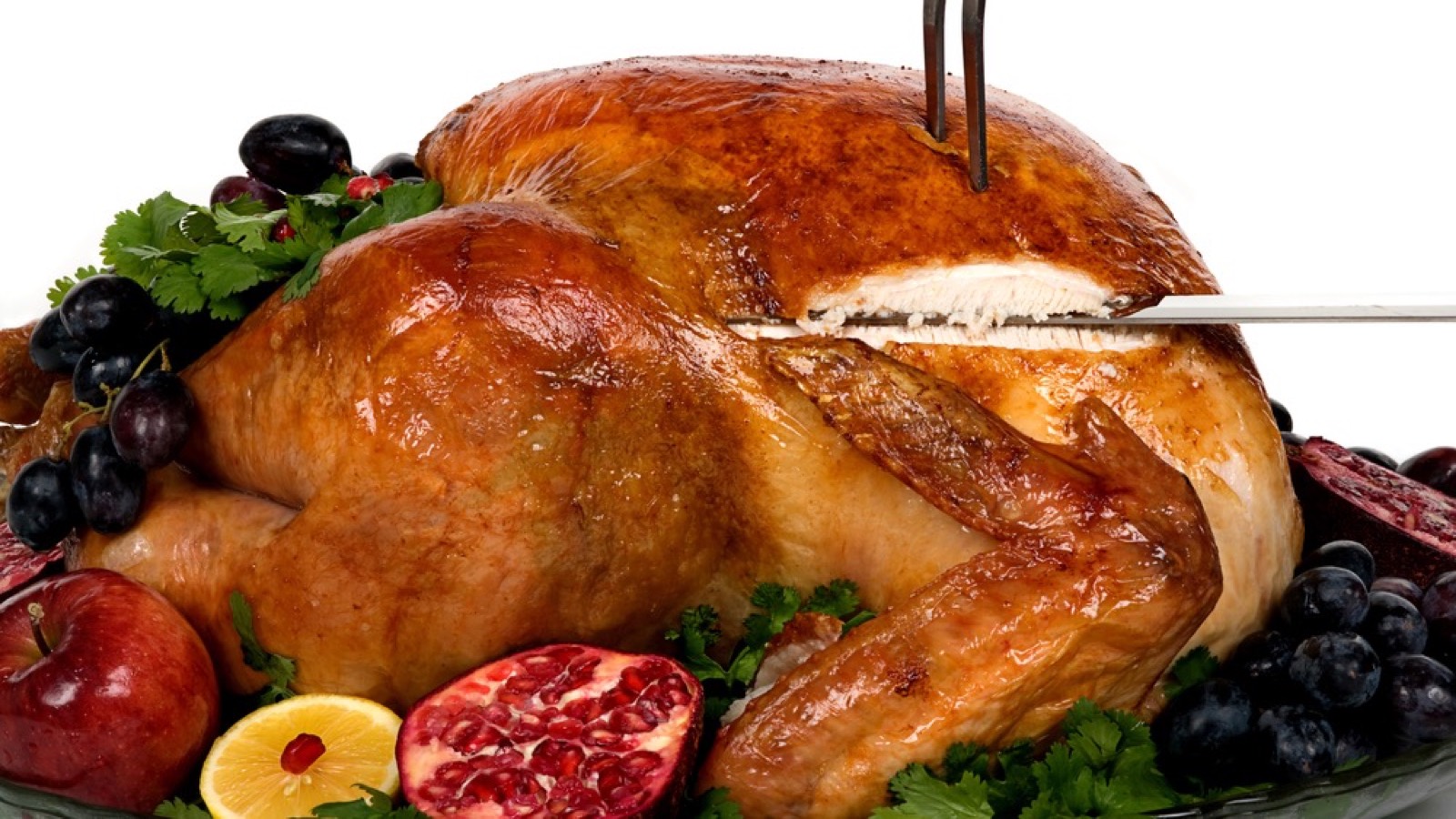
The most common turkey question is also the most important: how big should it be? A good rule of thumb is about one pound of whole turkey per person. That sounds like a lot, but a whole bird includes bones, skin and parts that never end up on a plate.
If your family loves leftovers for sandwiches, soup and turkey pot pie, go up to about one and a half pounds per person. Food Network suggests the same simple math, along with a little extra if you want to send guests home with a plate. For a small gathering of four or five, a turkey breast may make more sense than a whole bird.
2. Fresh and Frozen Are Both Fine
Many shoppers assume a fresh turkey is always better than a frozen one, but that isn’t necessarily true. A frozen turkey is usually less expensive, can be bought weeks ahead and is easy to find. Most of the deeply discounted turkeys stores use to bring in holiday shoppers are frozen.
A fresh turkey saves you the thawing step, but it has a short window. It should be bought only a day or two before you plan to cook it, and many stores sell out of fresh birds the weekend before Thanksgiving. If you want fresh, it’s smart to place an order with your grocery store or a local butcher in early November.
3. Give a Frozen Turkey Plenty of Time to Thaw
This is the step that trips up more cooks than any other. A frozen turkey thaws slowly in the refrigerator, and it needs about 24 hours for every four to five pounds. That means a 16-pound bird needs roughly four full days in the fridge before it’s ready to cook.
The USDA’s turkey roasting guide explains the safe ways to thaw a bird, including the faster cold-water method, where the turkey sits in cold water that’s changed every 30 minutes. Leaving a turkey to thaw on the counter isn’t recommended. Working backward from Thursday, many families need to move their turkey into the fridge on the Saturday or Sunday before Thanksgiving. Here’s a handy thawing countdown if you want to check your start date.
4. Read the Label Carefully
Turkey labels can be confusing, and a few words matter more than people think. “Fresh” on a turkey label means the bird has never been chilled below 26 degrees. “Frozen” means it has been kept at zero degrees or below. Some birds are labeled “previously frozen,” which simply means they were frozen and then thawed.
Other words to look for include “basted” or “self-basting,” which means a solution of broth, butter or oil and seasonings was added to the meat. If you plan to brine your turkey, many cooks skip self-basting birds, since they already contain added salt. Terms like “natural,” “free-range” and “heritage” each mean something specific, and they usually come with a higher price tag.
5. Shop Early for the Best Deals
Grocery stores know the turkey brings people through the door, so many of them sell birds at low prices in the weeks before Thanksgiving. Some offer a free or deeply discounted turkey when you spend a certain amount on other groceries. Those deals often have limits and can run out, so it pays to start watching flyers in early November.
Turkey prices have been easing lately. In its latest yearly survey, the American Farm Bureau Federation found the average price of a 16-pound frozen turkey fell to $21.50, or about $1.34 per pound, down more than 16% from the year before. Prices still vary by store and region, so comparing a couple of flyers can save you a few dollars.
6. Make Sure It Fits Your Fridge and Your Oven
It’s easy to forget that a big turkey takes up a lot of space, both before and after it’s cooked. A frozen 20-pounder can take over an entire refrigerator shelf for days while it thaws, right when you also need room for pies, casseroles and drinks. Clearing out the fridge before you bring the bird home makes life much easier.
The oven matters too. Before you buy a very large bird, check that your roasting pan fits inside your oven with the door closed and enough room above the turkey for air to circulate. If you’re cooking for a big crowd, two smaller turkeys can cook faster and more evenly than one giant one. You’ll also find some smart ideas for limited oven space if your kitchen is on the small side.
7. Don’t Forget the Extras Inside the Bird
Most whole turkeys come with a little bag tucked inside, usually holding the neck, heart, gizzard and liver. Plenty of first-time cooks have roasted a turkey with that bag still inside. Check both the main cavity and the smaller neck cavity before cooking.
Those giblets are worth saving. Grandma used them to make a rich broth for gravy and dressing, and the neck adds a lot of flavor to a simmering pot. If you’d rather not use them, at least take them out before the turkey goes in the oven.
A Little Planning Goes a Long Way
Buying a turkey doesn’t have to be stressful. Pick the right size, decide early between fresh and frozen and give yourself enough days to thaw the bird safely. Those three steps alone prevent most of the Thanksgiving morning panic families joke about for years.
The rest is about enjoying the day. Whether you roast, smoke or fry your turkey, it’s the people around the table who make the meal memorable. Do you buy your turkey early, or are you a last-minute shopper who grabs one the weekend before?