9 Family Traditions Adult Children Quietly Stop Keeping
For many parents, family traditions are the glue that held the household together. There was the big Sunday dinner, the matching Christmas pajamas, the annual road trip to the lake and the same holiday menu year after year. Those rituals shaped childhood memories and gave everyone something to look forward to.
But once children grow up, marry and start families of their own, some of those traditions begin to fade. It usually doesn’t happen with a big announcement. Instead, a tradition is skipped one year, then another, until one day parents realize it’s simply gone.
This can be painful for parents who poured their hearts into creating those memories. But it isn’t always a sign that something is wrong. Often, adult children are juggling new responsibilities, blending traditions with a spouse’s family or building their own rituals. Here are the family traditions adult children often quietly stop keeping.
1. Sunday Dinner at Mom and Dad’s House
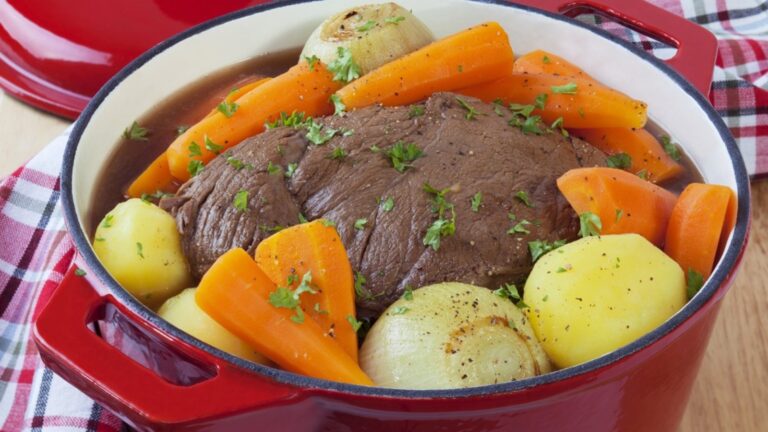
For generations, Sunday dinner was a fixture in many American homes. The whole family gathered around the table after church for pot roast, fried chicken or spaghetti. Many parents hoped their grown children would keep coming every week.
But busy schedules, long drives and kids’ weekend activities often make weekly dinners hard to keep up. Many adult children shift to monthly visits or holiday gatherings instead. Some parents have found success with a more flexible approach, like a standing invitation rather than an expectation.
2. Spending Every Holiday at the Family Home
When children are young, holidays are usually spent at home or with grandparents. Once adult children marry, they often have to split holidays between two families. Many couples alternate Thanksgiving and Christmas, or try to visit both families on the same day.
For parents who are used to having everyone home every holiday, this change can sting. But it’s one of the most common shifts in family life. Parents who stay flexible and celebrate on a different day, such as the weekend before Christmas, often find it eases the pressure for everyone.
3. The Same Holiday Menu Every Year
Many families have a holiday menu that hasn’t changed in decades: the same turkey recipe, the same green bean casserole, the same Jell-O salad Grandma always made. When adult children start hosting holidays themselves, they often bring new dishes to the table.
Some adult children drop certain traditional dishes because nobody really liked them. Others add their spouse’s family favorites or try new recipes they found online. Some of the classic Thanksgiving dishes survive, but the menu often evolves with each generation.
4. Formal Family Photos
Many parents love the yearly family portrait, with everyone dressed in coordinated outfits and lined up in front of the fireplace or on a studio backdrop. As children grow up and families get bigger, these photos become harder to organize.
Adult children may start skipping the formal portrait in favor of casual snapshots on their phones. Some feel the photos are too stiff or too expensive. Parents who still want a family picture can make it easier by keeping it simple and short, perhaps taken outside after a holiday meal.
5. Christmas Morning at Home
For many families, Christmas morning meant waking up early, opening presents around the tree and eating a big breakfast together. Once grandchildren arrive, adult children usually want to create those same memories in their own homes.
This shift can be hard for grandparents who loved seeing the excitement firsthand. Many families now hold Christmas morning at the adult children’s homes and gather with grandparents later in the day. Some grandparents join the morning by video call or visit for brunch.
6. Annual Family Vacations
Many parents remember yearly trips to the beach, the mountains or a favorite lake cabin. These vacations were a highlight of childhood. As adult children build careers and families, coordinating schedules for a family trip can become nearly impossible.
Some families keep the tradition alive with shorter trips or reunions every few years. Others let it fade entirely. Parents who want to keep it going often find success by planning far in advance and offering to help with costs, though many adult children prefer to take trips with their own spouse and kids.
7. Church Together on Holidays
In many families, attending church together on Christmas Eve or Easter Sunday was a cherished tradition. As adult children grow up, some move away, join different congregations or attend less often than their parents did.
According to Pew Research Center, religious attendance has changed across generations in recent decades, with younger adults generally attending services less often than older Americans. For some parents, this shift is one of the hardest to accept, and it can be a sensitive topic in many families.
8. Birthday Celebrations With the Whole Family
When children are young, birthdays often bring the whole family together for cake, presents and a special dinner. Once children grow up, birthdays tend to be celebrated with spouses, friends or coworkers instead. Family birthday dinners can fall by the wayside.
Many parents still make an effort to call, send a card or take their adult child out for a meal. Small gestures like these keep the connection alive even if the big family birthday party is a thing of the past.
9. Traditional Gift Exchanges
Large family gift exchanges, where everyone buys presents for everyone else, can become overwhelming as families grow. With in-laws, grandchildren and rising costs, adult children often suggest simpler options like a gift swap, a white elephant game or gifts only for the kids.
Some parents feel sad about this change, but many adult children see it as a way to reduce stress and focus on spending time together. It’s one of the things adult children wish their parents understood about money and the holidays.
Why Traditions Change
Traditions change because families change. Marriages bring new families and new customs into the mix. Children grow up, move away and build their own lives. And each generation adds its own ideas about what matters most.
It’s natural for some traditions to fade while others take their place. Many adult children still hold on to the traditions that meant the most to them, even if they adapt them. A beloved recipe might survive, even if the holiday is celebrated on a different day.
How Parents Can Adapt
Parents who want to stay close to their adult children often find it helps to hold traditions loosely. Instead of insisting on doing things the same way forever, they focus on what really matters: being together. Asking adult children which traditions they want to keep can open up honest conversations.
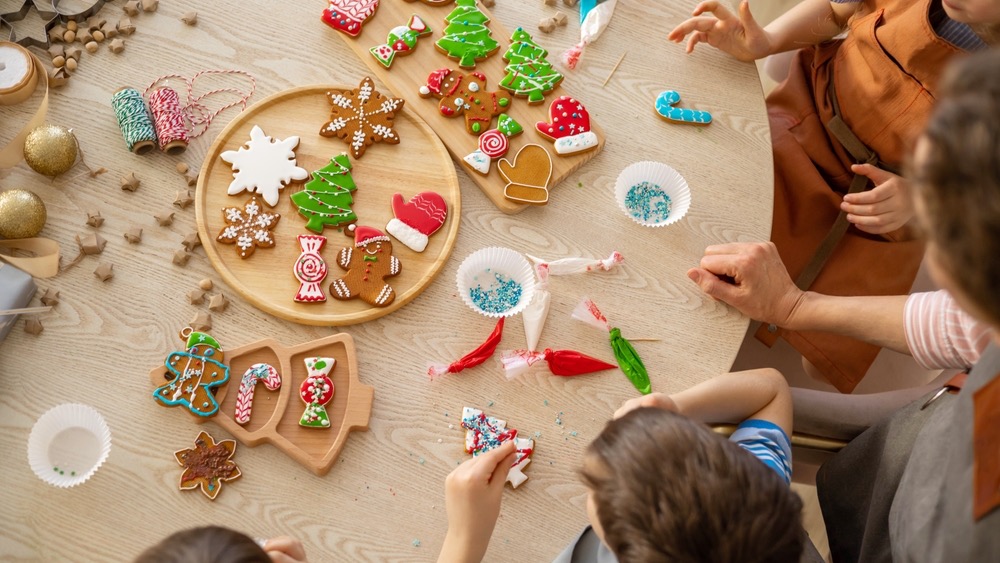
Some parents also start new traditions with their grown children and grandchildren, like an annual cookie-baking day, a summer cookout or a holiday movie night. These new rituals can become just as meaningful as the old ones, and they give the whole family something to look forward to for years to come.