9 Things You Should Never Throw in the Trash Without Shredding
Most people don’t think twice about what goes into the kitchen trash or the recycling bin. Old mail, receipts and paperwork get tossed without a second glance. But for identity thieves, a bag of household trash can be a gold mine of personal information.
“Dumpster diving” might sound like something out of an old movie, but it’s still a real way criminals gather details about potential victims. A single piece of paper with your name, address, account number or birth date can help someone open credit in your name, access your accounts or trick you with a convincing scam. The Federal Trade Commission warns that identity thieves can use stolen personal details to open accounts, file taxes or make purchases in your name.
The good news is that protecting yourself is simple. A basic home paper shredder costs far less than the time and stress of fixing a stolen identity. Here are the things you should never throw in the trash without shredding first.
1. Bank and Credit Card Statements
Bank and credit card statements are packed with sensitive information: your full name, address, account numbers, balances and transaction details. In the wrong hands, that information can be used to commit fraud or to make phishing calls and emails seem more believable.
Many people now get statements online, but those who still receive paper copies should shred them once they no longer need them. If you keep statements for tax or budgeting purposes, store them in a secure place until it’s time to dispose of them.
2. Pre-Approved Credit Card Offers
Those “pre-approved” credit card offers that show up in the mailbox may seem like junk, but they can be risky to toss whole. A thief who finds one could try to apply for the card in your name and have it sent to a different address.
Shred these offers instead of throwing them away. You can also reduce the number you receive by opting out at OptOutPrescreen.com, the official website run by the major credit bureaus. Fewer offers in your mailbox means fewer chances for someone to misuse them.
3. Old Credit and Debit Cards
When a credit or debit card expires or gets replaced, don’t just toss it in the trash. The card still shows your name and card number, and some details may still be useful to scammers. Cut through the number, the magnetic strip and the chip, or use a shredder that can handle cards.
Many shredders now include a slot for credit cards. If yours doesn’t, cutting the card into small pieces with heavy scissors and throwing the pieces away in different bags adds an extra layer of protection.
4. Medical Bills and Insurance Statements
Medical bills, insurance explanation-of-benefits forms and pharmacy paperwork often include your name, address, date of birth, insurance ID numbers and sometimes even your Social Security number. Medical identity theft can lead to someone using your insurance for their own care, which can mess up your records and your bills.
Shred these papers once you’ve confirmed they’ve been paid and you no longer need them. Keep important records, like those you might need for taxes or insurance disputes, in a safe place until it’s time to dispose of them.
5. Prescription Bottle Labels
Empty prescription bottles carry labels with your name, address, prescription number, the pharmacy’s information and the name of your doctor. That information can be used in scams or to gain access to medical records.
Before tossing old pill bottles, peel off the label and shred it, or scratch out the information with a permanent marker. Some people soak the bottles in water so the labels come off more easily. It’s a small step, but it keeps personal health details out of the wrong hands.
6. Tax Documents
Old tax returns, W-2 forms, 1099s and other tax paperwork contain some of the most sensitive information you have, including your Social Security number and income details. These are exactly what identity thieves look for to file fraudulent tax returns or open accounts.
The IRS explains how long you may need to keep tax records, which is often at least three years and longer in some situations. When it’s time to get rid of them, shred them rather than tossing or recycling them whole.
7. Pay Stubs
Pay stubs show your name, employer, income and often part of your Social Security number or bank account details for direct deposit. That’s valuable information for someone trying to steal your identity or apply for loans in your name.
Once you’ve checked your pay stubs against your annual W-2 and no longer need them, shred them. Many employers now offer digital pay stubs, which can reduce the paper clutter in your home.
8. Utility and Phone Bills
Utility, cable and phone bills might seem harmless, but they contain your name, address and account numbers. Scammers can use this information to call providers pretending to be you, change account details or make their phishing attempts more convincing.
Some identity thieves also use utility bills as “proof of address” when trying to open accounts. Shredding these bills after you’ve paid them is a simple way to protect yourself.
9. Receipts and Return Labels
Many receipts today only show the last few digits of your card, but some still include more information than you’d like. Receipts from returns, hotels and car rentals may list your name, address or phone number. Shipping labels and return address labels on packages also reveal personal details.
Before throwing away a box, peel off or black out the shipping label. Shred receipts that include your name or card details. During the holidays, when packages and receipts pile up, this is especially important.
Choosing a Shredder
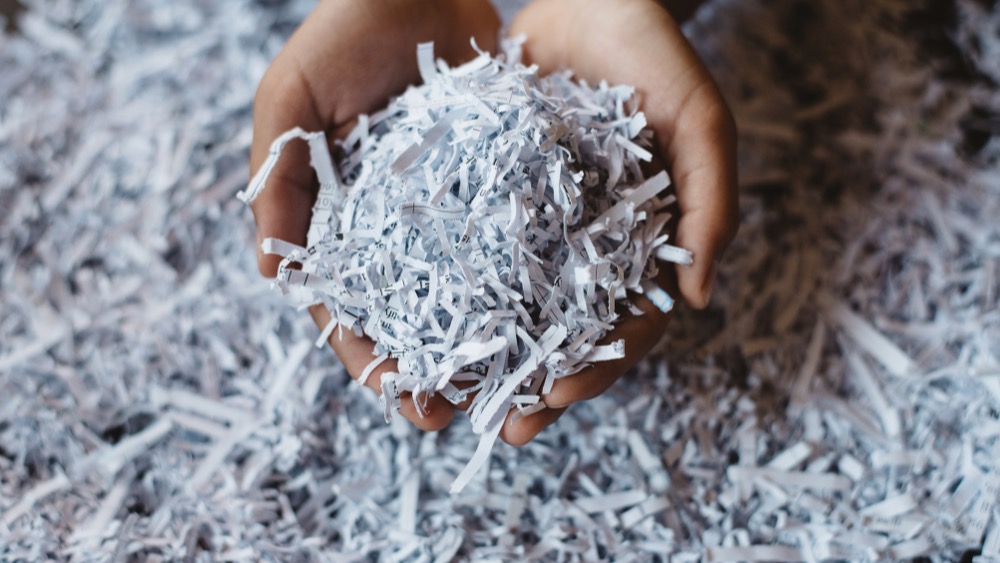
Not all shredders are the same. Strip-cut shredders slice paper into long strips that can sometimes be pieced back together. Cross-cut and micro-cut shredders cut paper into smaller pieces, making it much harder to reconstruct.
For most households, a cross-cut shredder offers good protection at a reasonable price. Many communities also host free shredding events, often sponsored by banks, credit unions or local governments, where you can safely dispose of large amounts of paperwork. Check with your local library, senior center or police department for upcoming events.
Other Ways to Protect Yourself
Shredding is just one part of protecting your identity. Checking your credit reports regularly can help you catch problems early. You can get free credit reports from the three major credit bureaus at AnnualCreditReport.com, the official site authorized by federal law.
It also helps to switch to paperless statements when possible, use a locking mailbox and pick up your mail promptly. These small habits, combined with regular shredding, make it much harder for criminals to get their hands on your information. A few minutes at the shredder each month is a small price to pay for peace of mind, especially during the busy holiday season when mail, packages and receipts pile up faster than usual.