A Musician Paid for a $4.29 Dunkin’ Iced Coffee With a $5 Bill, Then the Drive-Thru Worker Said There Was No Change
An iced coffee with oat milk and a pump of pumpkin spice rang up at $4.29. The customer handed over a $5 bill and expected 71 cents back, which is about the most ordinary transaction in America.
Instead, she drove away with her coffee, no change and a story that has people arguing about pocket change, tip culture and who should cover a short cash drawer.
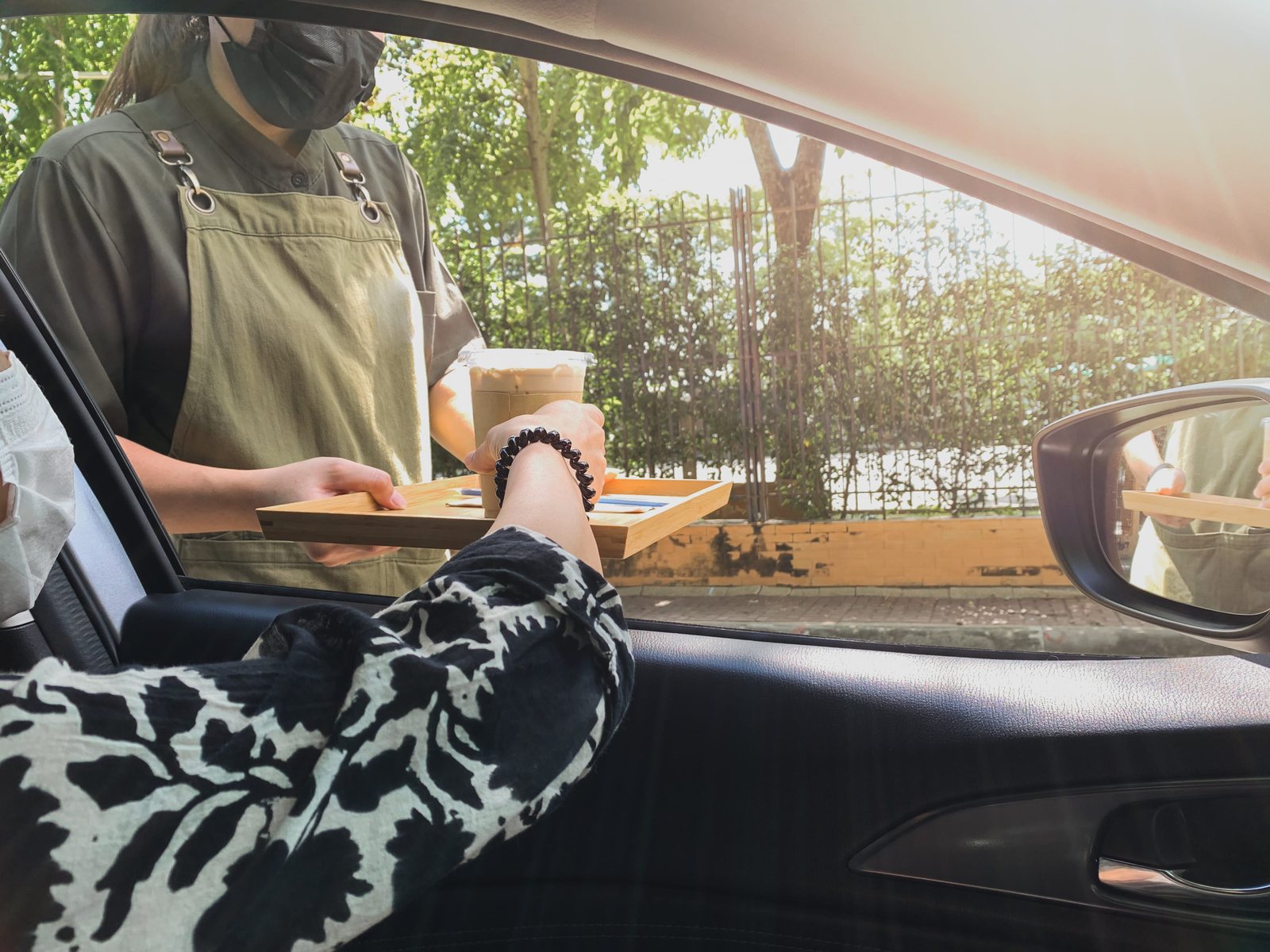
The customer is Caitlin Summers, a musician who posts on TikTok as @caitsumm. Her video, which BroBible reported on Nov. 25, had about 18,600 views at the time and opens with her saying, “You cannot make this stuff up.”
The 71-Cent Standoff
According to Summers, the worker at the window asked if she wanted her change. She said yes. He then told her the drawer was short, so there was no change to give.
She doesn’t describe an argument. By her account, they both laughed, she decided she wanted the coffee more than the coins, and she called it a bonding moment, the kind of small window-side exchange that people who keep up their favorite coffee shop habits will recognize. Her bigger question was aimed at the brand: “Dunkin’… you struggling?”
Why “Do You Want Your Change?” Lands Differently Now
Plenty of viewers didn’t hear that question as innocent. To them, asking whether a customer wants her change sounds like a nudge to say “keep it,” and tipping already ranks high among the American traditions that confuse the rest of the world.
That reaction makes sense. In a 2023 survey, Pew Research Center found that 72% of U.S. adults say tipping is expected in more places than it was five years ago, while only about a quarter say they always or often tip when buying coffee. Counter service is exactly where people feel least sure of the rules.
Coins Are Getting Weird at the Register
Exact change has also gotten trickier. The National Restaurant Association notes that penny shortages have left many businesses rounding cash totals without clear guidance, and that more than one in four restaurant purchases are still paid in cash. A $4.29 coffee paid with a $5 bill needs a penny in the change, which is precisely the kind of sale that has become awkward, and one reason some people think twice before paying cash at certain counters.
That doesn’t explain a drawer with no coins at all, but it does explain why cash customers keep running into odd moments. Paying cash and counting change is one of those boomer habits making a comeback, and it only works when the register is ready for it.
What the Etiquette Experts Say About Counter Tips
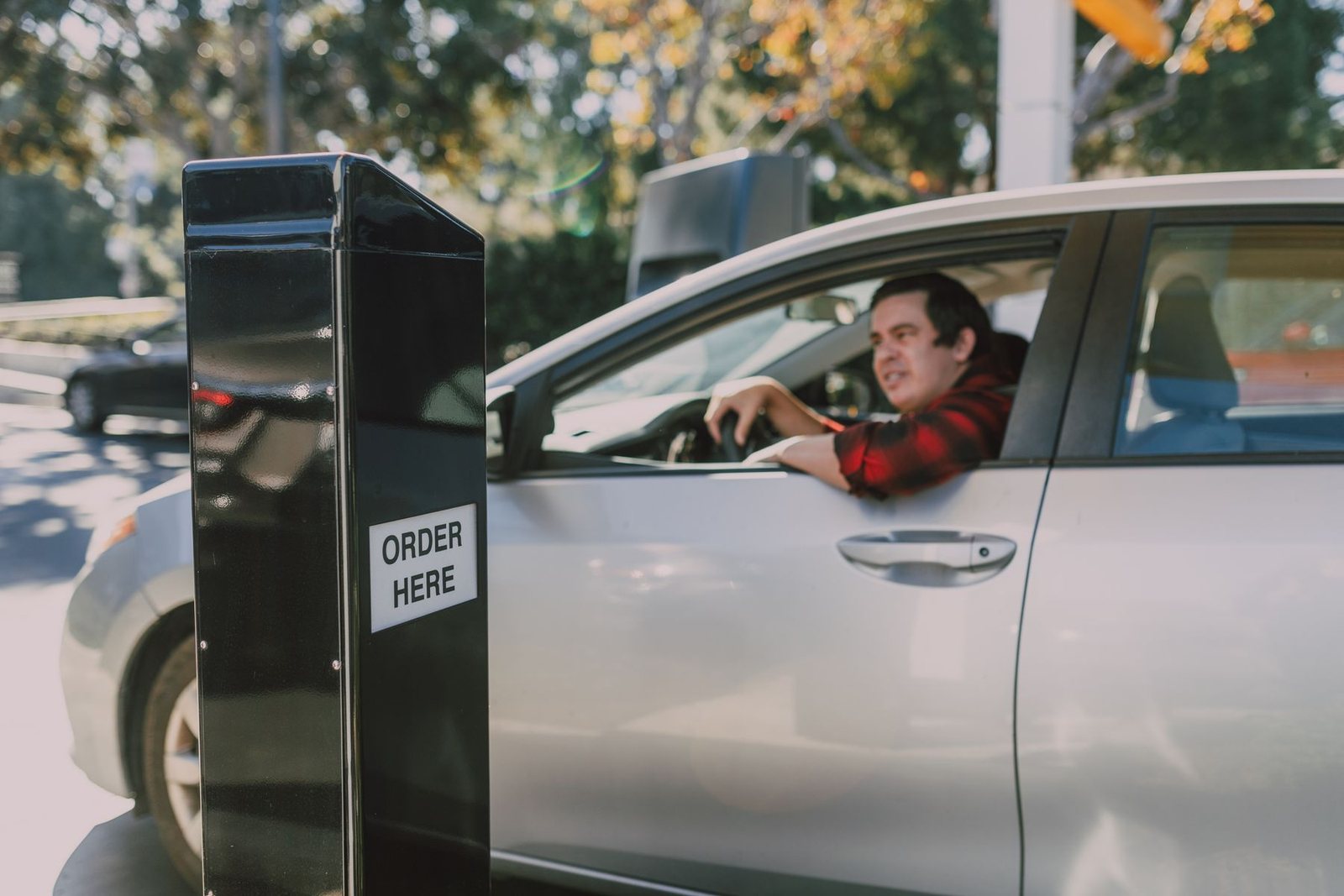
The Emily Post Institute’s general tipping guide lists counter and takeout tip jars as “no obligation,” suggesting an occasional tip when a barista does something extra or when you’re a regular. That puts a drive-thru coffee in the “nice if you want to” category, not the expected one.
So if the 71 cents ended up working as a tip, it was a tip Summers didn’t really choose. Commenters compared it to other surprise charges people try to dodge, like travelers who pack light to skip the checked-bag fee. The amount was tiny; the lack of choice was the sore spot.
What the Clip Can’t Tell Us
The video is one customer’s recollection, recorded after the fact. It doesn’t show the window, the register or the worker, and it can’t confirm whether the drawer truly had no coins, whether a manager was nearby, or whether rounding in her favor was ever an option. BroBible said it contacted Summers and Dunkin’, and its article did not include a response from the company.
So this is less a verdict on one worker than a relatable snapshot of a cash sale that didn’t go the usual way.
The Comment Section Splits Three Ways
One group said a short drawer is the store’s problem, not the customer’s, and that she should have been offered a dollar, a nickel or a trip inside. Another blamed tip prompts and said it felt like one more place where a gratuity gets assumed. A third group shrugged, pointing out that 71 cents isn’t worth anyone’s bad day.
A few viewers went full accountant, noting the drawer would simply show an overage at closing. Others suggested asking for the total to be rounded to the nearest dollar instead.
A Rule Problem or a Manners Problem?
BroBible pointed to the FTC Act’s Section 5 standard on deceptive practices, while noting that no specific law addresses a cashier saying there’s no change. Most viewers weren’t thinking about statutes. They were thinking about the small social contract of a cash sale: you hand over money, you get the difference back, and if that can’t happen, someone says so before the transaction, not after.
The Easy Fixes
Most suggested fixes were simple: ask whether the drawer has change before ringing up, offer to round down, or step inside for coins. Customers can keep a few singles handy or tap a card when the line is moving fast.
So, Keep the Change or Ask for It?
Summers seems to have settled it for herself: the coffee was worth more than the coins. Viewers are still split on whether “do you want your change?” is just a question or a polite way of asking for a tip.
If you were at that window, would you have let the 71 cents go, or asked someone to find it?