10 Often-Overlooked Meats and Cuts Worth Exploring Beyond Chicken, Beef and Pork
There is nothing wrong with reaching for chicken breasts, ground beef, or the usual pork chop. But if the same proteins keep appearing at dinner, the meat case has plenty of other options worth considering.
Some of these cuts need a long, slow braise. Others are surprisingly practical for grilling, roasting, or pan-searing. A few may require a trip to a specialty butcher or market, but they can turn an ordinary dinner into something much more memorable.
Lamb Shoulder
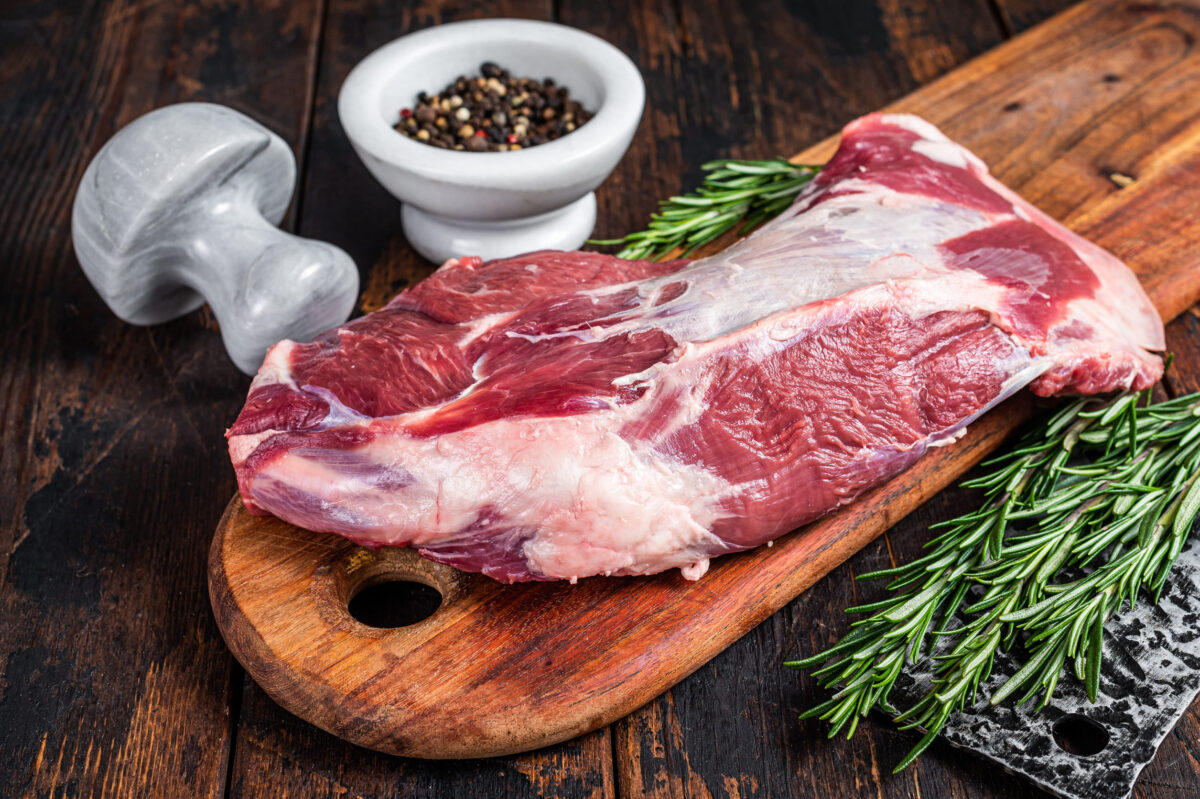
Lamb shoulder is a good choice for cooks who want a richer meal without reaching immediately for one of the more premium lamb cuts. It benefits from low-and-slow cooking, becoming tender enough to pull apart with a fork.
The main commitment here is time. Give it the cooking method it wants, and lamb shoulder becomes an especially useful centerpiece for a relaxed dinner.
Goat
Goat brings a robust flavor to curries, stews, and long braises. It is worth seeking out at halal butchers, Caribbean markets, and specialty grocers if it is not part of the usual supermarket selection.
This is a cut for cooks who want to move beyond familiar beef and pork without turning dinner into a complicated experiment. The biggest hurdle may simply be finding it.
Related: 7 Nostalgic Ground Beef Recipes That Deserve a Comeback
Duck Legs
Duck breast tends to get more attention, but duck legs deserve a place in the rotation. They work particularly well when braised, roasted, or slowly cooked until the skin becomes crisp.
For a cook who wants something richer and more distinctive than the standard poultry routine, duck legs offer a straightforward change of pace.
Beef Cheeks
Beef cheeks are built for patience. After a long braise, this collagen-rich cut becomes exceptionally tender and works in tacos, pasta ragù, pot roast-style meals, and other dishes that benefit from slow cooking.
It is not a cut to rush. But if you have time for a braise, beef cheeks can turn an overlooked piece of beef into the centerpiece of the meal.
Beef Tongue
Beef tongue may require a little more confidence at the butcher counter, but its cooked texture and flavor are less intimidating than its name might suggest. When simmered properly, it becomes mild, beefy, and tender.
Sliced tongue works particularly well for tacos or sandwiches. It is a useful reminder that familiar beef can come in forms well outside steaks and ground meat.
Oxtail
Oxtail is another weekend project, but the resulting meal can make the extra time worthwhile. Its bones and connective tissue contribute deep flavor and a silky quality to the braising liquid.
This is the sort of cut that makes leftovers especially appealing. A slow-cooked pot can provide a dinner with plenty of character without relying on an expensive steak.
Pork Shoulder Steak
Pork shoulder steak takes the familiar pork shoulder and turns it into a cut that can work on a faster schedule. It is flavorful and budget-friendly, with enough versatility for grilling, pan-searing, or a quick braise.
For cooks who like pork but want something beyond the standard chop, this is one of the more practical places to start.
Pork Cheeks
Pork cheeks are small, rich, and packed with connective tissue, making them especially well suited to slow cooking. With enough time, they become tender and glossy.
They are a good match for anyone who enjoys pulled pork but wants to explore a cut with a little more depth. The preparation takes patience, but the ingredient itself offers something different from the usual pork shoulder.
Rabbit
Rabbit is mild, lean, and versatile enough for roasting, braising, or stewing. Its texture can be closer to chicken than some shoppers might expect, although it needs careful cooking to avoid becoming dry.
For cooks who want to experiment without jumping straight into an intensely flavored meat, rabbit provides a relatively approachable option. The challenge is more about preparation than trying to overpower its flavor.
Venison
Venison has a lean, earthy flavor and can work in chili, stew, meatballs, or burgers. Because it is low in fat, gentle cooking or added fat can help keep it from drying out.
It is particularly useful for cooks who want to change up familiar ground-meat dishes. Turn it into chili or burgers, and the format remains recognizable even as the main ingredient changes.
The best reason to explore these meats is simple: dinner gets more interesting when the protein does not always come from the same three familiar choices. Some cuts call for patience, some require a specialty market, and some simply need a different cooking approach, but each offers another way to build a memorable meal.