10 Popular Dishes That Aren’t From the Places They’re Named After
Food names can be surprisingly misleading. A Hawaiian pizza sounds like it belongs on a beach in Hawaii, a Danish pastry appears to have a clear connection to Denmark, and a German chocolate cake seems like a European classic. But behind many famous dishes are stories of migration, marketing, adaptation, and sometimes simple misunderstandings.
Across the world, dishes have picked up names that reflect a brand, a style, a place they became popular, or a cultural association, not necessarily where they were first created. Food historians often warn that “origin” can mean different things: the first recipe, the invention of a named dish, the development of a cooking technique, or the place where a food became globally recognized.
Here are 10 popular dishes whose names tell only part of the story.
Hawaiian Pizza, Actually From Canada
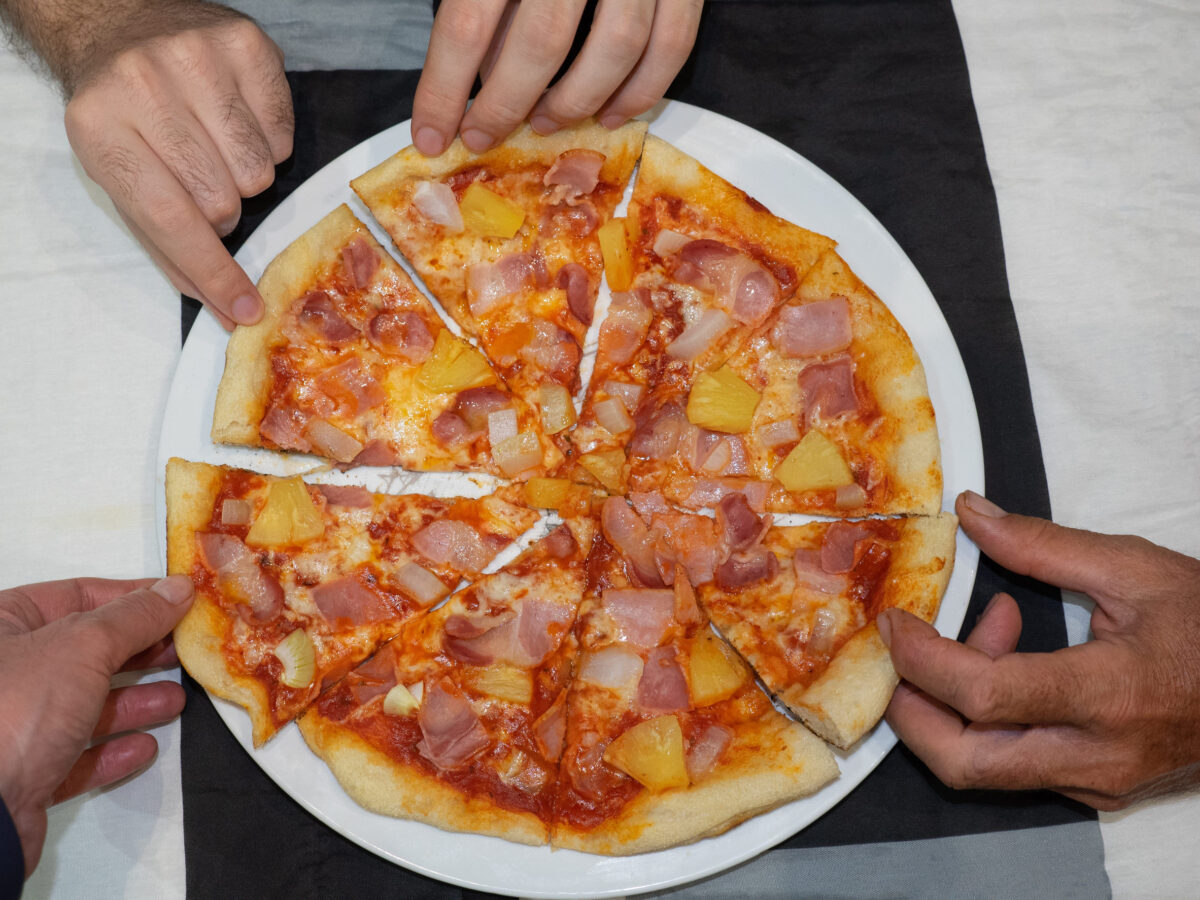
Hawaiian pizza may be one of the world’s most recognizable examples of a misleading food name. Despite its tropical title, the ham and pineapple pizza was not created in Hawaii.
The dish is widely credited to Sam Panopoulos, a Greek-born Canadian restaurateur who introduced the combination in 1962 at the Satellite Restaurant in Chatham, Ontario. The “Hawaiian” name reportedly came from the brand of canned pineapple he used, rather than any connection to the islands.
What started as an unusual experiment became one of the most debated pizza styles worldwide, proving that a name can travel much farther than its creator.
Danish Pastry, With Austrian Roots
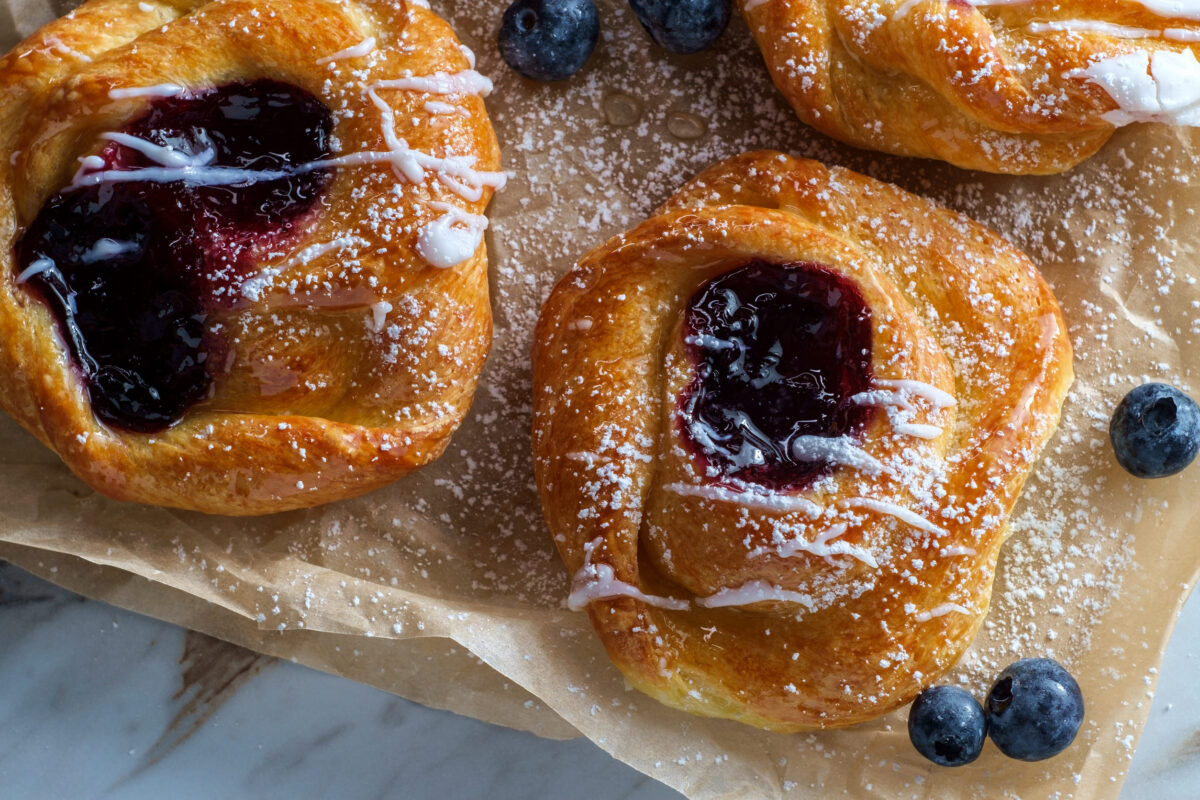
The Danish pastry seems like an obvious Danish creation, but its history stretches beyond Denmark. In Denmark, the pastry is called wienerbrød, meaning “Viennese bread,” reflecting its Austrian connection.
According to food historians, Austrian bakers introduced laminated pastry techniques to Denmark in the 1840s. Danish bakers then adapted the style, creating the versions that became central to Danish bakery culture.
The result is a pastry that is both Austrian in ancestry and Danish in identity, a reminder that food traditions are often built through collaboration rather than a single point of invention.
German Chocolate Cake, An American Creation
The name suggests a German dessert, but German chocolate cake has a distinctly American history.
The “German” refers not to Germany but to Samuel German, who developed a sweet baking chocolate for Baker’s Chocolate Company in 1852. The cake itself became famous through American newspaper recipes in the 1950s, particularly in Texas.
The confusion grew when “German’s Chocolate Cake” lost its apostrophe and became “German Chocolate Cake.” A small punctuation change created a completely different assumption about the dessert’s origins.
Chicken Tikka Masala, A Dish Shaped in Britain
Chicken tikka masala is often considered a classic Indian dish, but its modern story is closely connected to Britain’s South Asian restaurant scene.
The most famous origin story credits Ali Ahmed Aslam of Glasgow’s Shish Mahal restaurant with creating the dish in the 1970s after a customer complained that chicken tikka was too dry. However, historians have noted competing evidence, including earlier related recipes, meaning the exact invention remains debated.
Rather than belonging neatly to one country, chicken tikka masala represents the influence of migration, adaptation, and changing customer tastes.
French Fries, A Name With a Complicated History
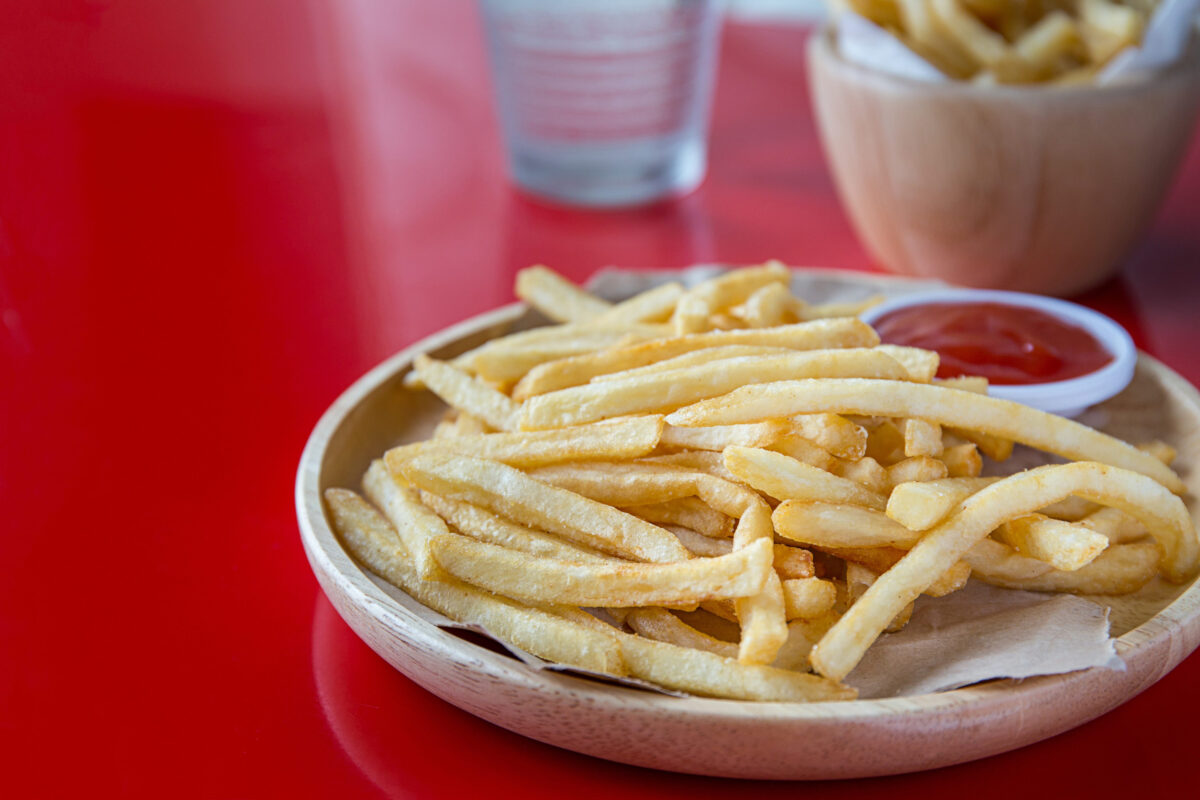
French fries are strongly associated with France, but their origins remain disputed.
Belgium has a powerful cultural claim to the modern fry tradition, although historians caution against repeating simple claims that fries were definitely invented there. Some popular stories about their beginnings don’t match the historical evidence.
The name may have spread through American usage, especially after soldiers encountered fries in French-speaking areas of Europe during World War I.
Today, the humble fry remains one of the world’s most global foods, regardless of where its first version appeared.
Spaghetti Bolognese, Not Quite Bologna’s Version
Bologna, Italy, is genuinely linked to ragù alla bolognese, but the internationally famous plate of spaghetti topped with meat sauce is a different creation.
Traditional Bolognese ragù is usually served with tagliatelle, not spaghetti. The global version developed through international Italian cooking, especially in Britain and other countries where people adapted Italian food to local tastes.
The dish is not completely separate from Bologna because the sauce has real roots there, but the familiar “spaghetti Bolognese” is a global interpretation rather than a traditional Bolognese staple.
Swedish Meatballs, A Story of Cultural Exchange
Swedish meatballs are one of Sweden’s best-known foods, but their history reflects wider culinary influences.
A widely discussed account links Swedish meatballs to Ottoman and Turkish culinary influence during King Charles XII’s stay in Ottoman territory. Historians caution, however, that meatball-like dishes existed across many regions and that the story is more complex than a single borrowed recipe.
Over time, Sweden developed its own version, complete with gravy, potatoes, and lingonberry jam, turning it into a national symbol.
California Roll, Born From Japanese Diaspora Cooking
The California roll sounds like a California invention, but its exact origin is disputed.
Two major claims involve Japanese chefs working in North America: Ichiro Mashita in Los Angeles and Hidekazu Tojo in Vancouver. Food historians generally view it as a product of Japanese diaspora innovation rather than a straightforward California creation.
By replacing ingredients that were difficult to find in North America, chefs created a version of sushi that helped introduce the cuisine to millions of new diners.
English Muffins, Popularized in New York
English muffins do have connections to English baking traditions, but the familiar breakfast product sold around the world was shaped in the United States.
Samuel Bath Thomas, an English immigrant baker, opened a bakery in New York City in 1880 and popularized the toasted, split muffin style known as the English muffin.
It became a breakfast favorite through branding, supermarkets, diners, and dishes such as Eggs Benedict.
Swiss Roll, Not Clearly Swiss
The Swiss roll is another dessert whose name raises questions. Despite the name, no securely documented evidence shows it originated in Switzerland.
Food history accounts trace similar rolled sponge cakes through Central European traditions, while early English-language records include references from the 19th century.
The safest conclusion is that the Swiss roll’s exact birthplace remains uncertain. Its name became part of its identity, even though its true beginnings are much harder to pin down.
The Bigger Story Behind the Names
These dishes reveal something important about how food evolves. Recipes do not stay fixed in one place. They move with immigrants, change through local ingredients, adapt to new customers, and sometimes gain names that tell only part of the story.
A food’s identity is often shaped not just by where it began, but by the people who transformed it and the cultures that embraced it. The next time a menu claims a dish comes from somewhere, the real story may be much more interesting than the name suggests.