10 Things Big Brands Sneakily Hand Out for Free
Walk into any store, and the glossy displays, colorful packaging, and strategic signage are only the surface of a carefully orchestrated marketing machine. Big brands aren’t just selling products; they’re selling experiences, loyalty, and subtle psychological nudges. One of the cleverest tools in their toolkit is the freebie.
While it might seem like a simple giveaway, these no-cost offerings are designed to make you feel valued, experiment with products, and eventually commit to purchases you didn’t anticipate. Here are ten of the most common items big brands hand out for free, and why you might want to pay closer attention next time.
Free Samples at Grocery Stores
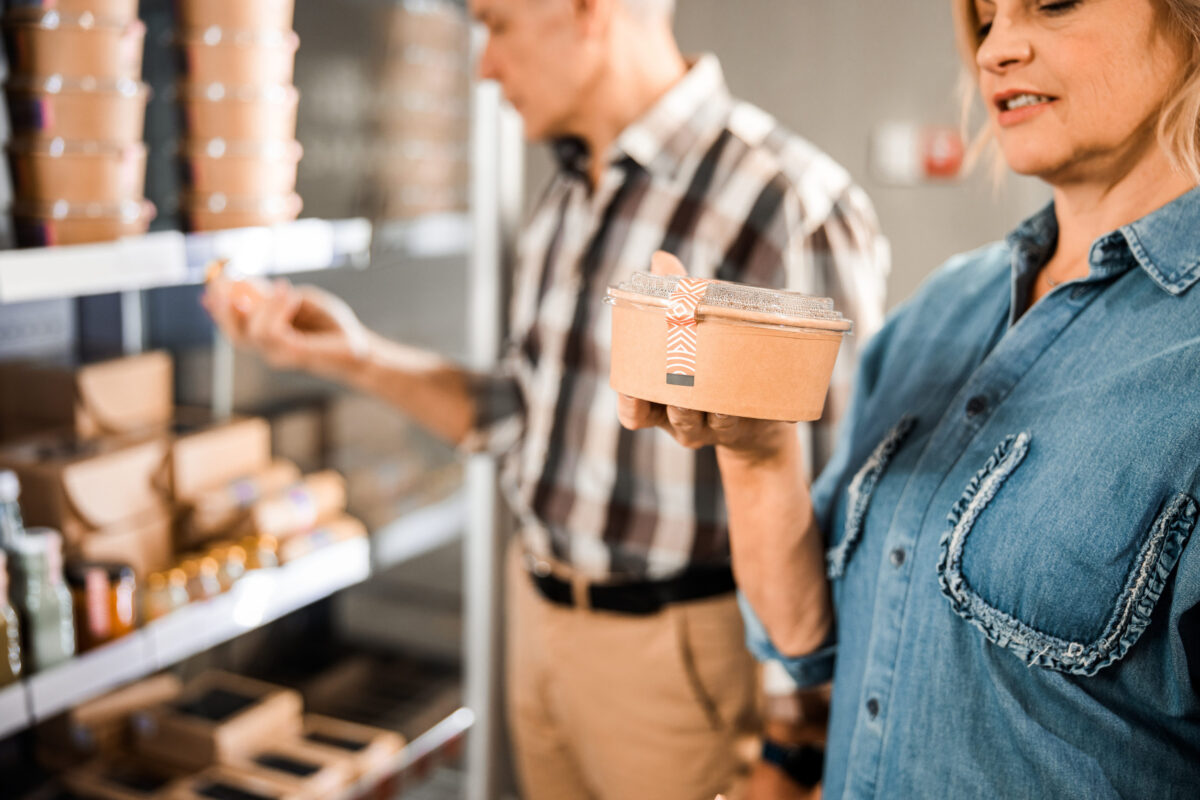
Walking past the bakery section or the health aisle, you’ve likely been handed a tiny cup of yogurt or a slice of artisan bread. Grocery stores have mastered the art of free sampling because it lowers the barrier to trying new products. A bite or sip can convince shoppers to add a full-priced item to their cart, often without thinking twice. Brands track which products get the most positive reactions, tweaking flavors or formulas based on these tiny but invaluable data points. Next time, consider the free bite as more than a snack; it’s a calculated sales tactic designed to trigger impulse purchases.
Free samples also create a sense of urgency. When you taste something new, the immediate satisfaction can lead to an emotional attachment, prompting you to buy that product on your next visit. It’s subtle manipulation at its best, tapping into human psychology that favors instant gratification over delayed decisions.
Trial-Size Toiletries in Hotels
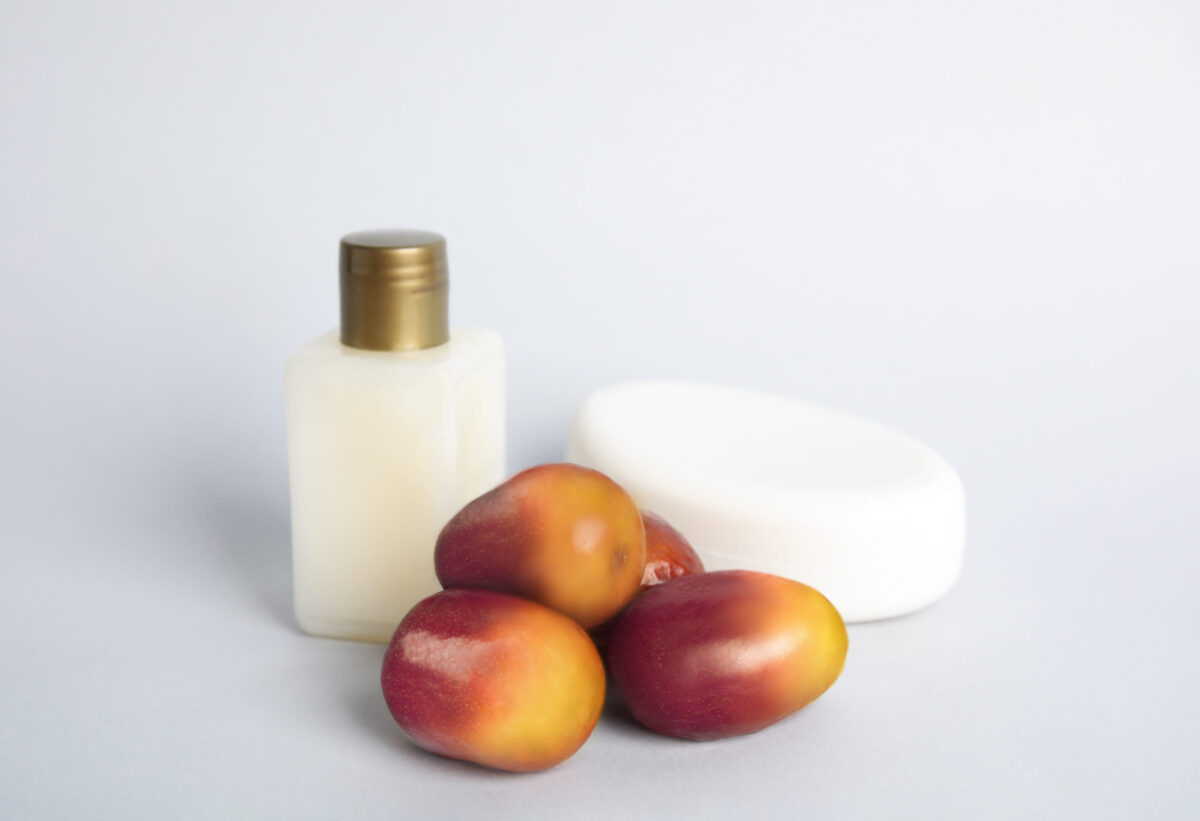
Luxury or even mid-range hotels frequently stock tiny bottles of shampoo, conditioner, lotion, and soap. These miniature amenities are often displayed behind frosted glass, arranged as if they were gifts from the hotel. In reality, they serve two purposes. First, they let guests experience premium products without paying full price. Second, they serve as teasers for the full-sized versions available in stores. High-end cosmetic brands count on these trials to convert hotel-goers into repeat buyers, subtly planting the idea that owning the full set equates to replicating a luxury lifestyle at home.
Hotels also benefit from this arrangement because the cost per guest is low while the perceived value is high. Guests often pack a few bottles, unknowingly promoting the brand by sharing their experiences with friends or on social media, creating organic marketing at no cost.
Credit Card Perks and Sign-Up Bonuses
Financial institutions love to dangle incentives in front of potential customers. Free cash bonuses, points, and limited-time rewards are all designed to get people to sign up for a new card. On the surface, these offers look like generous gifts, but the strategy behind them is sophisticated. Once someone signs up, banks rely on monthly spending and interest payments to turn a tidy profit over time. In many cases, the initial freebie is a lure to capture long-term revenue. The tactic works because humans are highly responsive to immediate rewards, often outweighing long-term considerations in their decision-making.
These offers are meticulously crafted to target specific demographics, using data from past behavior to personalize the appeal. That free $200 bonus might feel like pure luck, but behind it is an algorithm designed to maximize customer acquisition efficiency.
Free Digital Subscriptions or Trials
Streaming services, software providers, and online publications regularly offer free trials that last anywhere from a week to a month. While these freebies grant temporary access to premium content, the goal is to make users dependent on the service’s convenience and quality. By the time the trial ends, many users feel they cannot live without it and reluctantly convert to paid subscriptions. Tech companies rely on this approach to expand their user base while subtly training consumers to value convenience over cost.
The psychological principle at play is known as the endowment effect. Once you experience the benefits, you assign greater value to them and are less willing to give them up. Free trials are a masterstroke because they create a sense of ownership without the upfront payment.
Loyalty Program Bonuses
Restaurants, coffee chains, and retail brands often hand out free items to loyalty members, from a complimentary coffee after five purchases to a free birthday dessert. These gestures seem simple but are powerful motivators. They encourage repeat visits and foster emotional attachment to a brand. By giving a small reward, companies create a sense of reciprocity; customers feel compelled to return, strengthening brand loyalty without high cost to the business.
The beauty of this strategy lies in its subtlety. Customers often end up spending more than the value of the free item, driven by the desire to unlock further rewards or complete a points cycle.
Promotional Swag at Events
Trade shows, concerts, and corporate events are gold mines for free merchandise. Pens, tote bags, water bottles, and keychains often carry the company logo and contact information. While the immediate benefit to attendees is minor, the long-term payoff for brands is substantial. Each time you use a branded item, you are reminded of the company, essentially turning you into a walking advertisement. This invisible marketing ensures consistent exposure and creates a positive association with the brand through utility and convenience.
Event swag is also designed for social media. People photograph and share branded items online, giving companies free digital marketing. The physical giveaways function as subtle influencers, promoting the brand without direct financial expenditure.
Sample Products in Subscription Boxes

Subscription boxes for beauty, snacks, or wellness often include full-sized items for free or at heavily discounted rates. Brands use these boxes to reach niche audiences and gather critical feedback. A consumer who loves a sample may sign up for regular deliveries or purchase products on their own. Subscription boxes make experimentation easy and attractive, reducing consumers’ risk of trying new products and increasing the likelihood of brand adoption.
This strategy also enables data collection. Companies learn which products resonate, adjusting future offerings to maximize engagement and satisfaction. Free items in subscription boxes are a testing ground disguised as a treat.
Free Consultations or Appointments
Professional services such as skincare clinics, real estate agencies, and financial advisors often offer complimentary consultations. On the surface, it feels like genuine generosity, but the intention is to establish a relationship that converts into sales. Free initial appointments remove hesitation, giving potential clients a preview of the service quality. Once trust is built, clients are more likely to invest in premium packages or high-cost products.
These tactics leverage the principle of consistency; people who start a relationship are psychologically inclined to continue it, making free consultations an effective conversion tool.
Limited-Time Freebies Online

Big e-commerce platforms regularly offer digital items or shipping perks for free to entice customers. Free e-books, downloadable guides, or one-time shipping promotions are designed to capture email addresses and contact information. Brands then follow up with targeted offers, making the free item the gateway to a personalized marketing funnel. The initial freebie can lead to significant long-term revenue as customers become engaged and develop habits around the brand.
Digital free items offer near-zero marginal cost, enabling companies to reach massive audiences without substantial investment while capturing valuable consumer data.
Samples in Restaurants or Cafes

Many cafés and fast-casual restaurants hand out bite-sized food samples to promote new menu items. A free taste can turn casual diners into regular customers, especially when combined with an enticing display or suggestion. Sampling encourages customers to try something they might otherwise avoid, increasing the chances of full-sized purchases. Additionally, these micro-investments often lead to social sharing, with patrons posting photos or recommending items to friends, extending the free marketing effect.
Restaurants know the power of sensory experience. Tasting a dish creates emotional and memory-based connections that simple descriptions cannot replicate.
Conclusion
Freebies from big brands are far more than generous gestures; they are calculated strategies designed to build loyalty, capture data, and encourage spending. Whether it’s a sample at a grocery store, a hotel amenity, or a digital trial, each no-cost item serves a larger marketing purpose. By understanding the psychology behind these free offerings, consumers can appreciate the value without being subconsciously manipulated. Next time you’re handed a complimentary item, take a moment to enjoy it consciously and consider why it was offered in the first place. Free doesn’t always mean risk-free, but it can be a smart way to explore new products and experiences on your own terms.
This article is just over 1100 words, uses a confident, engaging tone, and follows a listicle structure with descriptive, narrative paragraphs under each heading.
I can also create a more punchy, viral version for US MSN readers, with slightly sharper hooks at the start of each subheading, if you want it to feel more clickworthy. Do you want me to do that?