10 Things You Should Never Sell to a Pawn Shop
Pawn shops can be useful when we need quick money, a fair resale option, or a second life for valuable items sitting at home. The problem is that many people walk in with items that feel emotionally valuable but have little resale value in a pawn shop. A pawn broker is not judging memories, effort, or what an item cost ten years ago. They are judging demand, condition, legality, safety, storage space, and how fast the item can move.
That is where most sellers lose time. We may think an old TV, a used crib, a mattress, or a box of outdated tapes should bring in easy cash, yet these items often create more risk than reward for the shop. The strongest pawn shop items usually have clear resale demand, easy testing, strong condition, and proof of ownership. The weakest ones raise hygiene concerns, legal issues, safety risks, or buyer hesitation before a price conversation even begins.
Stolen Property
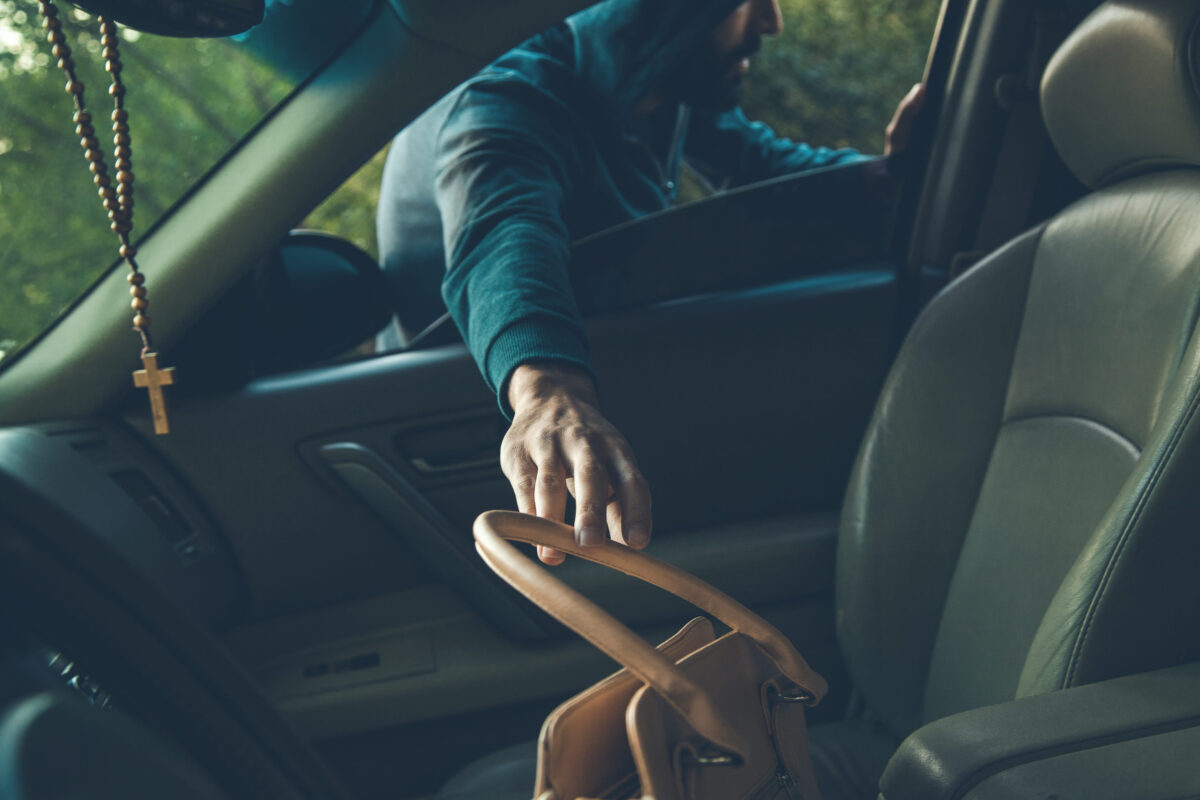
Stolen property is one of the worst things anyone can attempt to sell to a pawn shop. Modern pawn shops are not the shadowy back rooms many people imagine. Many require ID, record transactions, document serial numbers, and cooperate with law enforcement when property is reported stolen. That makes stolen goods risky for the seller and worthless to the shop once the problem surfaces.
We should also remember that pawn brokers are trained to spot red flags. Missing chargers, scratched-off serial numbers, nervous explanations, unusually low asking prices, and inconsistent ownership stories can all make an item look suspicious. The better move is simple. Only sell what we own, bring proof when possible, and avoid anything that could drag us into a criminal investigation. Pawn shops may handle used goods, but that does not mean they want mystery goods.
Used Mattresses That Raise Hygiene and Legal Concerns
Used mattresses are hard to sell through pawn shops because they raise immediate hygiene concerns. Even when a mattress looks clean, buyers worry about stains, odors, allergens, pests, body impressions, and unknown history. A pawn shop cannot easily test a mattress the way it can test a drill, speaker, laptop, or guitar. The item is large, personal, and uncomfortable for many secondhand buyers to trust.
There are also legal and labeling issues around mattresses in many places. Federal actions against used mattress sellers have focused on clear disclosure when mattresses contain used materials, and some states have added their own rules on tags, sanitation, and resale expectations. For sellers, that means a mattress may be better handled under local donation rules, recycling programs, or, where allowed, a direct private sale. For pawn shops, the risk often outweighs the possible margin.
VCRs and VHS Tapes With Almost No Everyday Demand
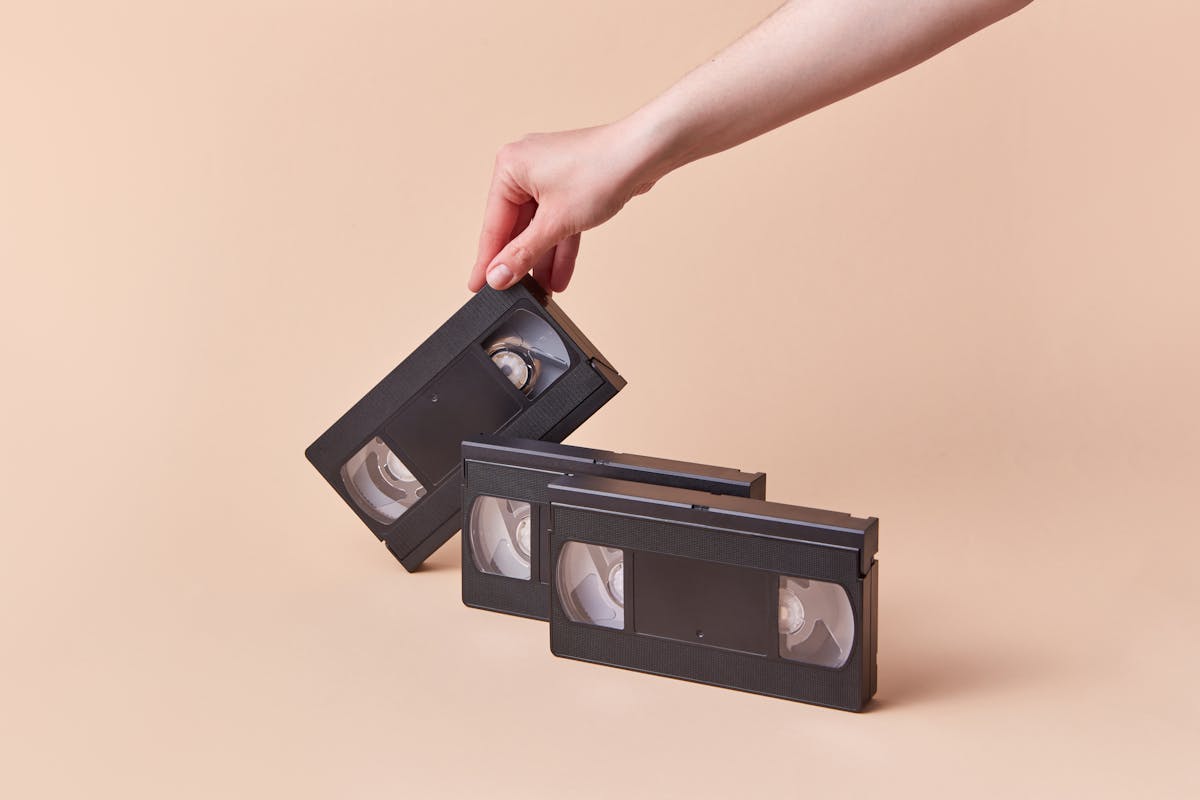
A VCR may feel nostalgic, but nostalgia does not always create pawn shop value. Most buyers no longer build home entertainment systems around VHS tapes, and streaming has crushed the everyday market for bulky analog video equipment. Some collectors may search for rare tapes or working vintage players, yet that niche does not automatically make every dusty VCR valuable. Pawn shops need items that appeal to local buyers quickly, not items that may sit for months waiting for a specialist.
We should be realistic about the difference between collector value and pawn shop value. A rare sealed horror tape, a limited-release title, or a tested high-end VCR may warrant research on collector marketplaces. A common player with no remote, no cables, and a stack of ordinary tapes will usually be a hard sell. If we want money from old media, we may get better results by checking collector groups, vintage forums, or online resale platforms where niche buyers already search for those exact items.
Box TVs and Broken Flat Screens
Old box TVs are usually poor pawn shop candidates because they are heavy, outdated, and difficult to resell. They take up valuable floor space, cost effort to move, and appeal to a small pool of buyers. Even many donation centers hesitate to accept bulky CRT televisions because disposing of and recycling them can be inconvenient. A pawn shop that can fill the same space with laptops, tools, jewelry, game consoles, or musical instruments has little reason to gamble on a giant old television.
Broken flat screens are not much better. A large, modern TV may look valuable from the outside, but cracked screens, backlight issues, missing stands, dead pixels, and power problems can destroy its resale value. Repairing a TV can cost more than buying another used one, so pawn shops often reject units that cannot be tested immediately or sold with confidence. If the screen is damaged, recycling or parts resale may make more sense than expecting pawn shop cash.
Illegal Items
We should never bring illegal goods into a pawn shop and expect the visit to end well. That includes drugs, fake IDs, passports that do not belong to us, hazardous materials, counterfeit goods, restricted items, or anything that cannot legally be bought and sold in that location. Pawn shops work under licensing rules, local ordinances, reporting requirements, and law enforcement cooperation, so a questionable item does not simply become “cash on the counter.” It becomes a problem that the shop has every reason to avoid.
This matters because pawn shops protect their licenses as much as they protect their inventory. A single suspicious transaction can create legal exposure, paperwork issues, and reputational damage. Even when an item looks valuable, the shop must consider whether it can document, store, advertise, and resell it without violating rules. If we feel nervous explaining where the item came from, how we got it, or whether we have the right to sell it, we should not bring it to a pawn shop.
Old Cellphones That Cannot Compete With Current Devices
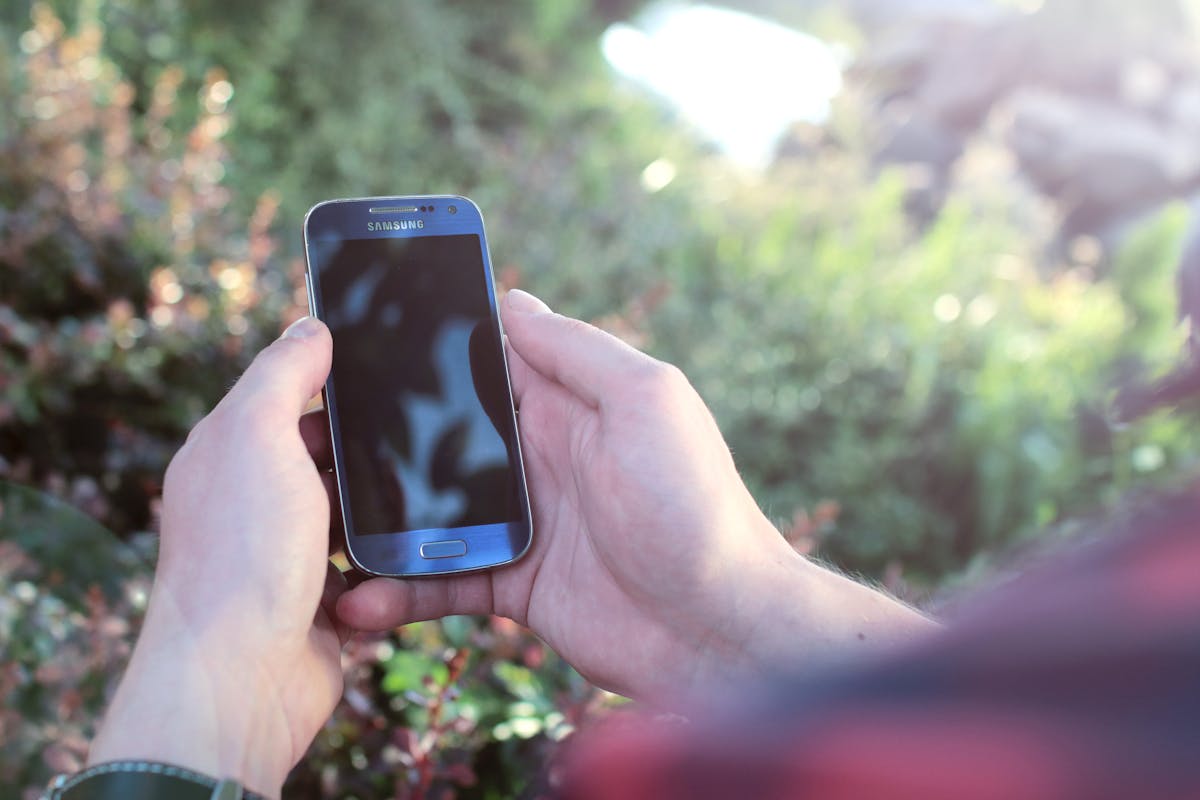
Old cellphones can disappoint sellers because technology quickly loses value. Flip phones, outdated Android phones, cracked older iPhones, and locked devices rarely bring strong pawn offers unless they have collector interest or usable parts value. Buyers want phones with good battery life, current software support, clean IMEI status, working cameras, ample storage, and compatibility with modern networks. A device that fails any of those tests becomes difficult to resell.
Before taking a phone to a pawn shop, we should check a few basics. It should power on, charge properly, hold a charge, be factory reset, and be free of account locks. The carrier status should be clean, and the phone should not be reported lost, stolen, or unpaid. A pawn shop may reject a phone that cannot be verified, even when it still looks sleek. In many cases, old phones are better sold for parts, traded in through device programs, or recycled responsibly.
Cassette Players and Tapes With Limited Buyer Interest
Cassette players and tapes fall into the same trap as VHS equipment. They have nostalgia value, but nostalgia alone does not guarantee pawn shop value. A high-end vintage stereo deck, a rare Walkman model, or a collectible tape collection may interest the right buyer. A basic plastic cassette player with worn belts, weak sound, or no clear brand appeal will usually struggle in a pawn shop setting.
The condition problem is especially important. Cassette players often need belts, cleaning, demagnetizing, or repair before they perform well. Tapes can warp, hiss, snap, or degrade in sound quality over the years in heat and dust. Pawn shops prefer items they can test quickly and sell with confidence. If we believe our cassette equipment is rare, we should research model numbers and collector demand before walking into a pawn shop expecting quick money.
Used Vacuums That Carry Dirt, Allergens, and Buyer Doubt
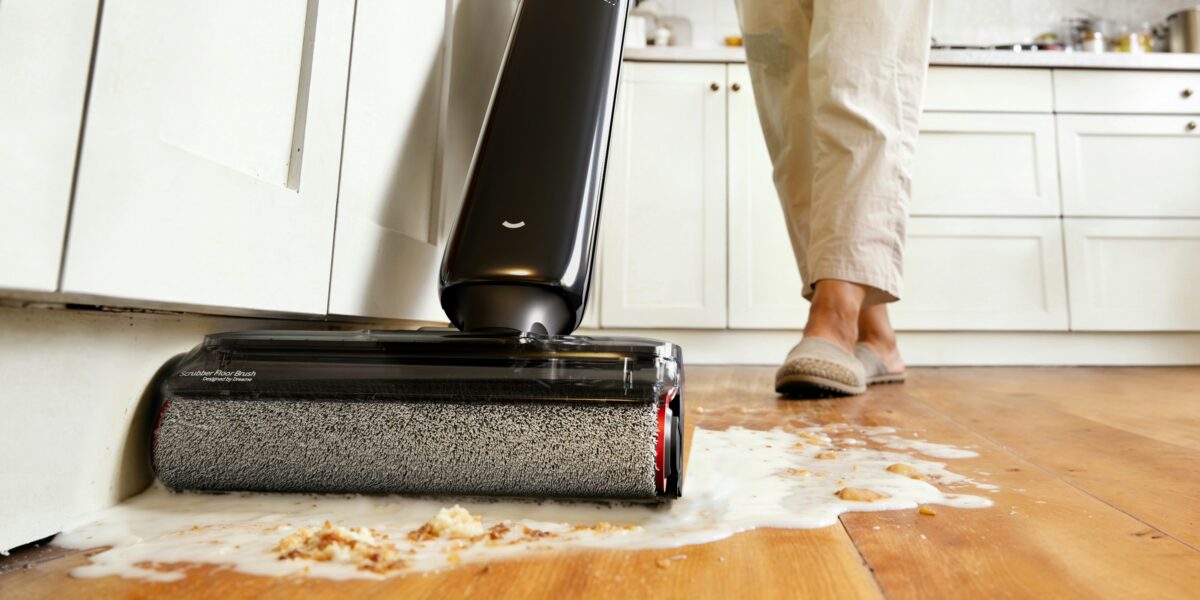
A premium vacuum from a strong brand may seem like a solid pawn, but used vacuums have an obvious problem. They collect dirt for a living. Buyers may worry about dust, pet hair, allergens, moldy filters, smells, clogged hoses, worn rollers, and hidden wear inside the motor. Even if the vacuum works, the shop may hesitate because cleaning, testing, and reselling it can take more effort than the profit justifies.
Condition decides everything here. A nearly new vacuum with original attachments, clean filters, strong suction, and a recognizable brand has a better chance than an old unit pulled from a garage corner. We should empty it, wipe it down, replace or clean the filters, include all attachments, and make sure the cord and motor work properly before trying to sell it. If the vacuum smells bad, overheats, or looks neglected, the pawn shop will likely pass on it.
Recalled Products
Recalled products are bad pawn shop items because they come with built-in legal and safety problems. A recalled appliance, baby product, tool, electronic device, helmet, toy, or household item may still look usable, but that does not make it acceptable for resale. The issue is not just a condition. The issue is whether the product has been flagged as dangerous, defective, or noncompliant.
We should check recall databases before selling items that involve children, electricity, batteries, heat, blades, moving parts, or safety protection. A pawn shop may reject anything that appears unsafe, incomplete, modified, or recalled. This protects the buyer, the seller, and the business. If an item has been recalled, the best path is to follow the manufacturer’s recall instructions, not to pass the risk to another household.
Ordinary Used Shoes With Weak Resale Appeal

Shoes are tricky because most pairs lose value the moment they are worn. Pawn shops may accept certain sneakers, luxury footwear, or collectible limited releases, but ordinary used shoes rarely generate excitement. Buyers care about size, condition, authenticity, odor, sole wear, box, receipts, and style relevance. A clean pair of rare Jordans is a different conversation from a worn pair of everyday running shoes with creased uppers and tired soles.
We should not assume brand names alone will carry the sale. Authentication matters, especially with designer shoes and hyped sneakers. Shops do not want to risk counterfeit goods or inventory that raises hygiene concerns. If we have valuable footwear, we should bring the original box, receipts, spare laces, dust bags, and proof of purchase where available. Without those details, many pawn shops will offer little or reject the pair entirely.
Baby Cribs That No Longer Meet Safety Standards
Baby cribs are among the clearest examples of items that may look useful but are still wrong for resale. Safety rules changed significantly in 2011, and traditional drop-side cribs were banned from manufacture and sale under updated federal crib standards. The rules also strengthened requirements for crib slats, mattress supports, hardware quality, and testing. A pawn shop has little reason to accept an older crib that could expose a child to danger and expose the business to liability.
Even a crib that looks sturdy may be missing parts, recall information, assembly instructions, or proof that it meets current standards. Recalled products are especially risky because offering recalled goods for resale is unlawful under federal product safety rules. If we own an older crib, the safer route is to check the recall status, confirm the manufacturer’s date, and avoid reselling it if it does not meet modern requirements. Sentimental furniture should never outrank infant safety.
Final Takeaway
A pawn shop is not a storage unit, donation center, recycling depot, or loophole for unsafe goods. It is a resale business built around value, demand, legality, and trust. That means some items are almost guaranteed to fail before negotiation begins. Illegal goods, stolen property, obsolete electronics, used mattresses, worn shoes, old cribs, and recalled products create too many problems for too little profit.
If we want the best chance of walking out with money, we should focus on clean, working, current, high-demand items with proof of ownership. The smarter we are about what not to sell, the better our chances are of finally bringing in something a pawn shop actually wants.