10 Totally Normal 1970s Habits That Would Be Against the America Law Today
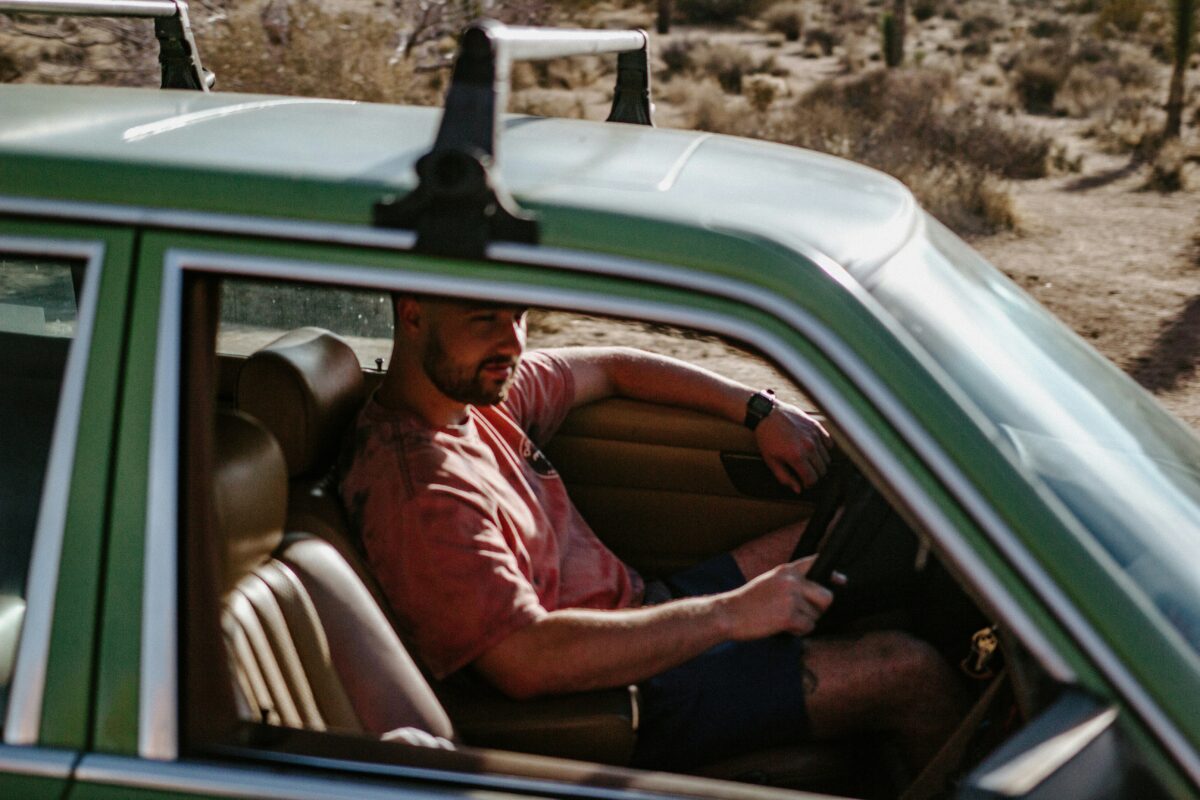
Imagine cruising down the highway in bell-bottoms and aviators, the soundtrack on full blast, a giant paper coffee cup in the cup holder, the 1970s. It was a time of lava lamps, disco grooves, and a carefree attitude that often collided with common sense in ways that, today, would make lawmakers swoon with panic.
Back then, people lived with a level of casual risk that now feels like watching someone juggle chainsaws blindfolded. Things seemed normal simply because everyone did them until somebody stood back, looked around, and said, “Wait, seriously? That was legal?”
As society prioritizes safety and accountability, some behaviors that were once shrugged off are now clearly in the “you can’t do that” category. Here are 10 totally normal 1970s habits that, if attempted today, would fast‑track you into legal trouble.
Driving Without a Seatbelt While Reading the Paper
Seatbelts were optional accessories in the ’70s, and many drivers didn’t bother with them at all. Some even read newspapers while behind the wheel during slow traffic. Today, every state enforces seatbelt laws for a reason: unrestrained occupants are exponentially more likely to be seriously injured in crashes. And reading a newspaper while driving? That’s textbook distracted driving.
Chain‑Smoking in Restaurants and Planes
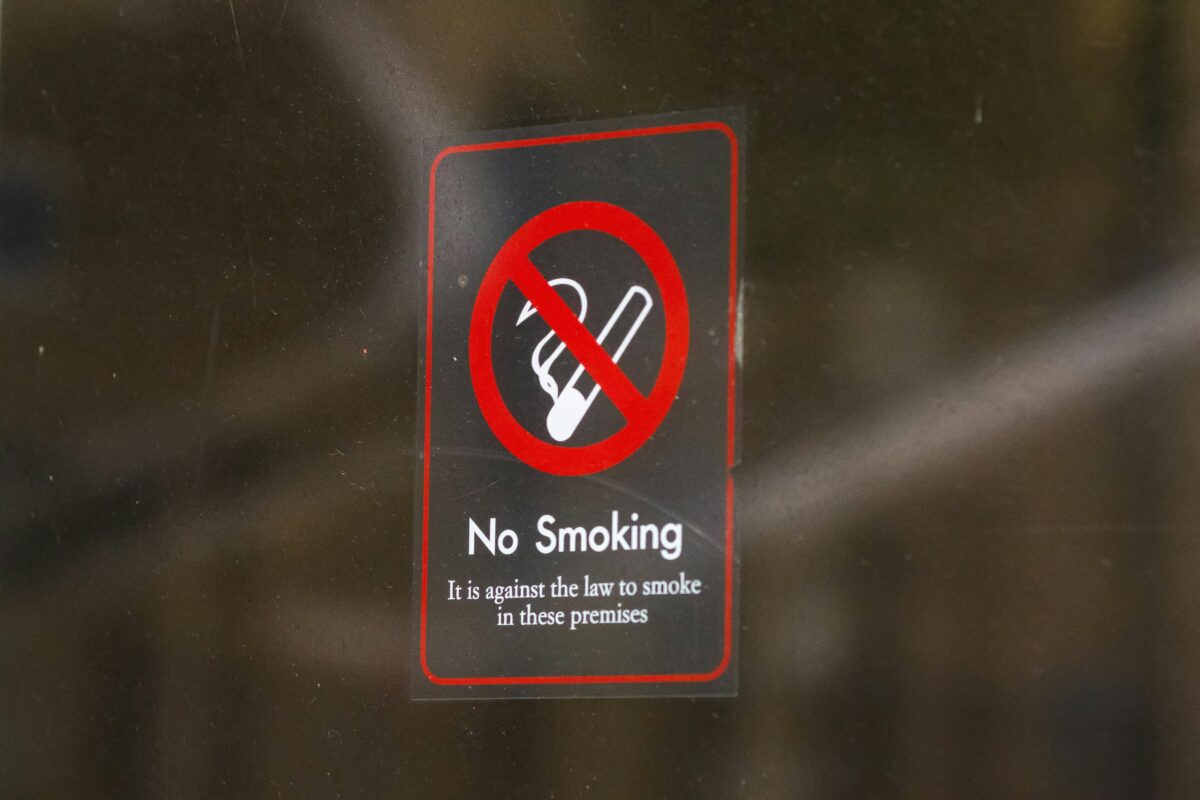
If you lived in the ’70s, you likely experienced the aromatic haze of cigarette smoke in places now unthinkable; restaurants, offices, movie theaters, and even airplanes. Non‑smokers were collateral damage. Fast forward to today, and indoor smoking bans, especially on flights, are non‑negotiable public health laws.
Letting Kids Ride in the Back of Trucks
Family road trips sometimes meant piling into the back of a pickup truck; the breeze whipping through hair as kids sat on tailgate benches. Today, that kind of ride is considered dangerously unsafe in most jurisdictions; passengers simply aren’t supposed to ride anywhere outside a secured seat with proper restraints.
Driving With No Hands on the Wheel at All
Some ’70s drivers perfected the art of steering with their knees or one finger on the rim while they flirted with the radio dial or engaged in animated conversations. Modern driving laws make it clear: hands on the wheel and full attention on the road are requirements, not suggestions.
Working On Cars in the Middle of the Street
Neighborhoods used to double open‑air garages. A flat tire, a drip of oil, or a leaky valve was no reason to haul a car into a driveway; people simply popped up the hood and began repairing right in the street. Today, public safety laws frown on that kind of roadside tinkering, especially when it blocks traffic and risks injury.
Leaving a Baby Unattended in a Parked Car
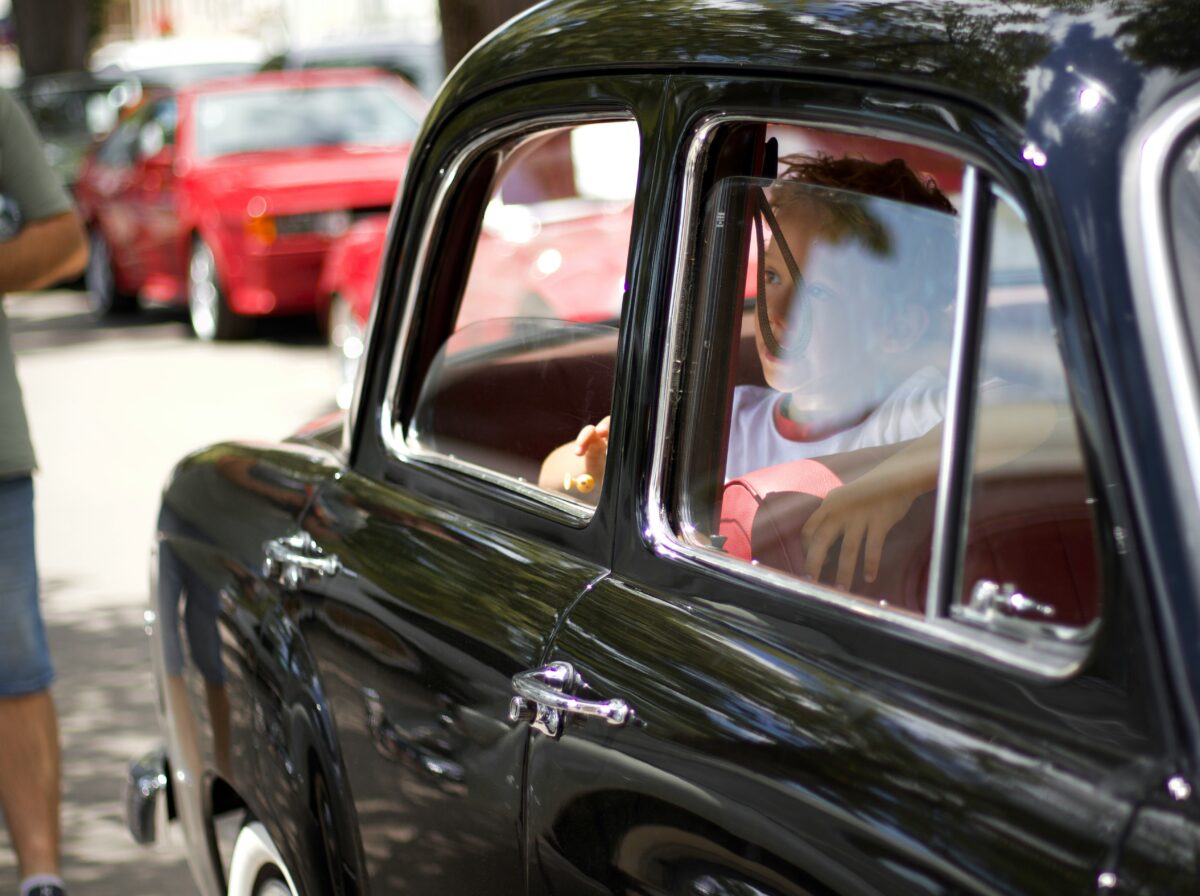
In the ’70s, leaving a sleeping baby in a parked car while running errands wasn’t unusual. Today, a momentary “just a second” can mean criminal charges because of the very real risk of heatstroke or oxygen deprivation. Laws now treat unattended minors in vehicles as emergencies, not conveniences.
Swerving Through Gated Amusement Park Entrances to Save Money
Before scanners and strict ticket enforcement, playful albeit questionable humans sometimes hopped playground fences or pocketed unscanned tickets to save a buck. Today, amusement parks enforce entry points, cameras, and security; trespassing is not a quirky loophole but a punishable offense.
Leaving Your Car Running While You Pop Into the Store
Cold mornings and lazy afternoons like saw engines humming while drivers stepped inside stores, banks, and pharmacies. Now, most municipalities have anti‑idling laws designed to cut pollution and reduce theft risks, and modern vehicles have auto‑lock, so leaving keys jammed in the ignition becomes instant trouble.
Drinking Behind the Wheel (Before DUI Laws Got Serious)
Before the modern crackdown on drunk driving, it wasn’t unheard of passengers (and sometimes drivers) to sip beer during road trips. Solid legal reform and public awareness campaigns have since made it clear that drinking and driving are both morally and legally unacceptable.
Buying Cigarettes at Age 16 or Younger

For much of the ’70s, teenagers had easier access to cigarettes than they did to many other grown‑up privileges. Today, age restrictions for tobacco are aggressively enforced, and many places have raised the legal age to 21. What was once “just a smoke” is now regulated like any other age‑restricted product.
Why These Changes Matter
Looking back at the ’70s is like watching a documentary about a different species of human behavior, one where freedom went hand in hand with risk. Many of the habits above weren’t questioned simply because everyone did them. Over time, however, injury statistics, public health awareness, and advances in safety science forced lawmakers and citizens alike to reconsider what “normal” really means.
The shift isn’t about restricting fun, it’s about valuing life.

Seatbelts, helmet requirements, child safety seats, distracted driving laws, smoke‑free public areas, anti‑idling ordinances, and age limits all exist because someone recognized that thousands of preventable injuries and deaths were linked to the behaviors that used to feel everyday.
Some changes make life slightly less convenient, no more dangling legs in the back of a truck, no more smoky restaurant booths, but they also make it safer, more predictable, and less likely that casual choices end in tragic consequences.
The ’70s Were Wild and Irreplaceable.
There’s undeniable nostalgia tied to bell‑bottom jeans, platform shoes, and hitchhiking across state lines with a boombox on your shoulder. But nostalgia rarely holds up in court when someone’s health is on the line.

The ’70s weren’t wrong; they were simply products of their time. Back then, people made decisions based on the norms, knowledge, and technology available to them. Today, we benefit from decades of accumulated understanding about safety and risk.
If nothing else, looking back at those habits gives us perspective. We laugh, we shake our heads, and we’re grateful for the laws that keep everyday actions from becoming catastrophic outcomes.
Decades from now, people might look back on today’s norms and laws with the same mix of amusement and disbelief. And maybe, just maybe, they’ll be grateful we chose safety over spectacle, too.