11 Kitchen Objects That Take You Back to the 1960s
Some kitchen tools from the 1960s are easy to recognize because their designs practically explain what they were made to do. Think hand cranks, exposed gears, release levers, glass refrigerator dishes, and small electric appliances built for one very specific job.
The decade’s kitchens brought together plenty of manual equipment with a growing collection of electric conveniences. These 11 objects capture that mix, from a simple rotary beater to an electric appliance whose entire purpose was keeping dinner rolls warm.
Rotary egg beater
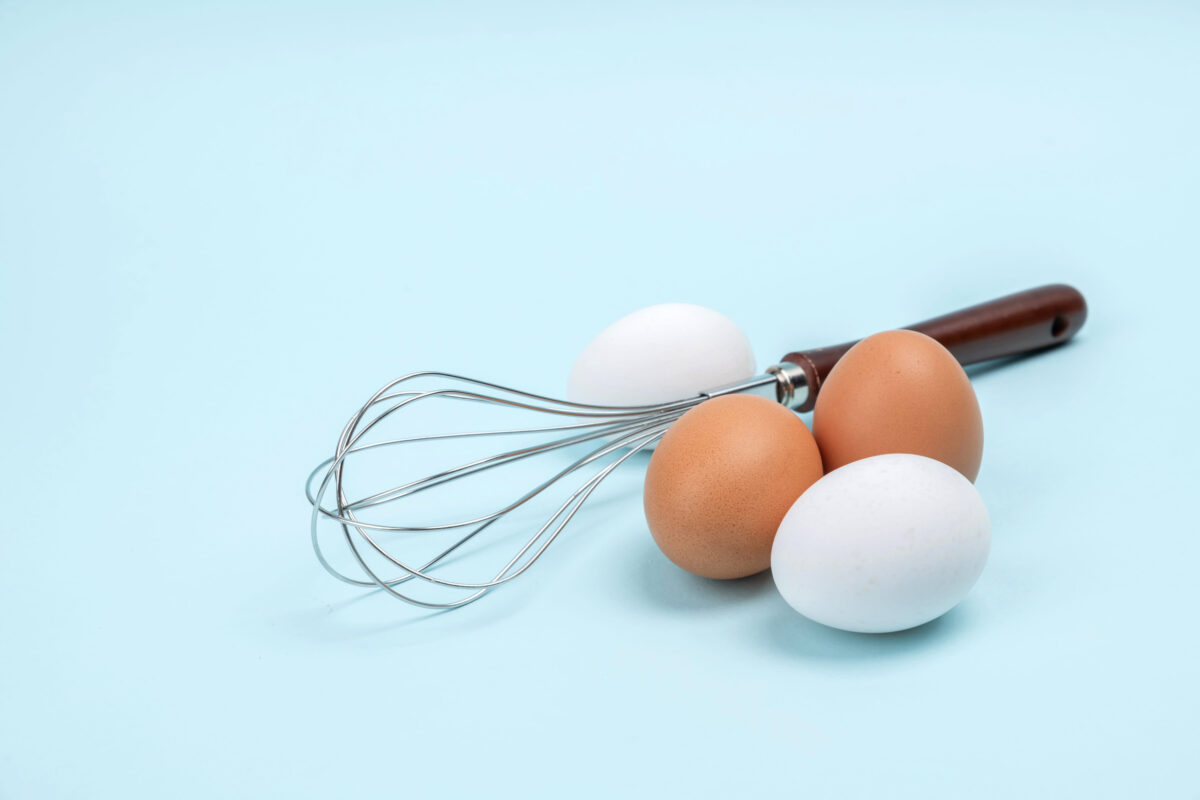
Before an electric mixer handled the job, a rotary egg beater could turn hand power into mixing power. The distinctive design features a side crank, exposed gears, and two beaters, with the crankwheel driving smaller cogwheels as the handle turns. A Smithsonian-held example is made from sheet metal and even has a red-painted wooden grip on its crank.
The appeal is easy to understand: no cord, switch, or outlet was needed. Turning the handle was the power source.
Lever-release metal ice cube tray
The old metal ice cube tray had a trick hidden in its construction. Instead of twisting a flexible plastic tray, you lifted a lever that moved a dividing grid and released the frozen cubes.
Museum collections include ice cube trays dating from the 1950s through the 1970s, making this style a familiar part of the period. The lever is the detail that gives the object away immediately.
Wall-mounted manual can opener
A can opener permanently attached to a wall or cabinet sounds unusual now, but the design had a practical advantage: it stayed in one place and was ready whenever a can needed opening. The mechanism used a crank and cutting components rather than an electric motor.
A wall-mounted model made by Rudman, Darlington & Co. dates to between 1950 and 1955, while a 1960 advertisement featured the Can-O-Mat wall-mounted manual can opener. It is a good example of how even a basic kitchen task could have its own dedicated fixture.
Electric coffee percolator
The electric coffee percolator looked more like a traditional serving pot than a modern countertop coffee machine. A Swan “Mayfair” example held by the Science Museum Group has a handle, spout, and lid along with an electrical connection.
That particular model is dated from 1948 through 1960, with a capacity of 1.75 pints and a 400-watt rating. Period advertisements also featured automatic coffee makers and electric coffee pots, showing how electric brewing was becoming part of the kitchen landscape.
Hand-operated flour sifter
A flour sifter was more specialized than a basic mesh strainer. Vintage versions could be metal containers operated with a squeeze handle or a small hand crank, pushing flour through an internal screen.
An Albuquerque Museum example was made by Fred J. Myers Co. from tin and wood. The design is a reminder that even preparing flour could involve a dedicated hand-operated tool rather than simply shaking ingredients through a bowl.
Decorative gelatin mold
Gelatin could be as much about presentation as preparation, and the mold was responsible for creating the shape. Vintage examples came in patterned and ridged designs, including a clear-glass, two-tier mold held by the Smithsonian.
That example has six ridges on its upper tier and 16 ridges around the cylindrical lower tier. The details show why these molds were more than ordinary containers: the shape of the vessel became part of the finished dish.
Pyrex refrigerator dish with a glass lid
The Pyrex refrigerator dish was designed for storing food in the refrigerator, with a colored glass base and a separate clear-glass lid. A Henry Ford Museum example from the “Primary Color” line is dated from 1947 through 1960.
Clear Pyrex refrigerator dishes had already been available since the mid-1920s, while colored versions were introduced in 1947. The combination of the colored base and transparent lid makes this particular kitchen object especially recognizable.
Electric meat grinder
The electric meat grinder took a task commonly associated with a hand crank and put a motor behind it. A 1960 Oster advertisement promoted an electric model with a feed opening and grinding outlet.
Oster’s advertisement also promoted the appliance for processing foods such as vegetables and almonds. Those additional uses belong to the manufacturer’s advertising, but they help illustrate how electric kitchen appliances were marketed as versatile countertop tools.
Electric carving knife
The electric carving knife had one of the most distinctive silhouettes of the bunch: a bulky powered handle fitted with two serrated blades. When switched on, the motor moved the blades back and forth to slice meat.
Electric carving knives gained popularity in the late 1960s, including products from manufacturers such as Black & Decker. That timing matters because this was not necessarily an appliance found throughout the entire decade. Its strongest connection is to the decade’s later years.
Salton Hotray food-warming tray
The Salton Hotray occupied the space between cooking and serving. Rather than being primarily a cooking surface, it was designed to keep prepared food warm below cooking temperature while serving dishes rested on its heated glass surface.
A 1962 Salton advertisement described the appliance as having a thermostatically controlled radiant-heat glass panel. Its flat shape and serving-focused purpose made it quite different from a conventional hot plate.
Salton electric bun warmer
The final object may be the most wonderfully specific. The Salton electric bun warmer was made for one straightforward purpose: warming buns and rolls and keeping them warm for serving.
A 1968 advertisement promoted the appliance, placing it firmly in the late-1960s kitchen. It is a memorable example of the period’s growing collection of specialized electric conveniences.
These objects show how much variety could fit into a mid-century kitchen. Some relied entirely on hand power, while others used electricity for increasingly specialized jobs. The cranks, levers, glass lids, and dedicated warming appliances are what make them recognizable today, even when the everyday routines around them have changed.