12 Things Women Find Unattractive in Men
Attraction is more complex than looks or charm. Even the most confident men can unknowingly push women away through subtle habits, poor self-care, or behaviors that reflect immaturity. Understanding these turn-offs and adjusting accordingly can dramatically improve how a man is perceived in both dating and long-term relationships. Here are 12 things women consistently find unattractive, along with actionable steps to avoid them.
Self-Obsession

Confidence is attractive, but extreme self-focus, especially in grooming routines, can alienate women. Spending disproportionate time in front of the mirror, hoarding bathroom space, or using a partner’s personal items without consent signals narcissism. Overly primping can be interpreted as insecurity disguised as vanity, creating tension in relationships. Women are more drawn to men who balance self-care with awareness of their partner’s needs. Genuine self-respect comes from confidence without crossing into self-absorption.
Excessive Body Hair
While some stubble or a well-kept beard can be appealing, excessive body hair, especially on the back or chest, tends to be off-putting. Most women prefer a groomed appearance, with hair under control and not overwhelming the overall presentation. Neglecting regular grooming can communicate laziness or disregard for personal appearance. Even minor manscaping can make a significant difference in perceived cleanliness and confidence. Controlled grooming demonstrates attentiveness and care for personal aesthetics.
Constant Profanity
Frequent swearing can indicate a limited vocabulary and poor communication skills. Occasionally, context-appropriate language is acceptable, but when 60% of dialogue consists of curse words, it can feel abrasive and juvenile. Women often value articulate conversation as a reflection of intelligence and emotional control. Replacing habitual cursing with expressive language demonstrates maturity and social awareness. Strong verbal communication fosters both attraction and respect in interactions.
Poor Personal Hygiene
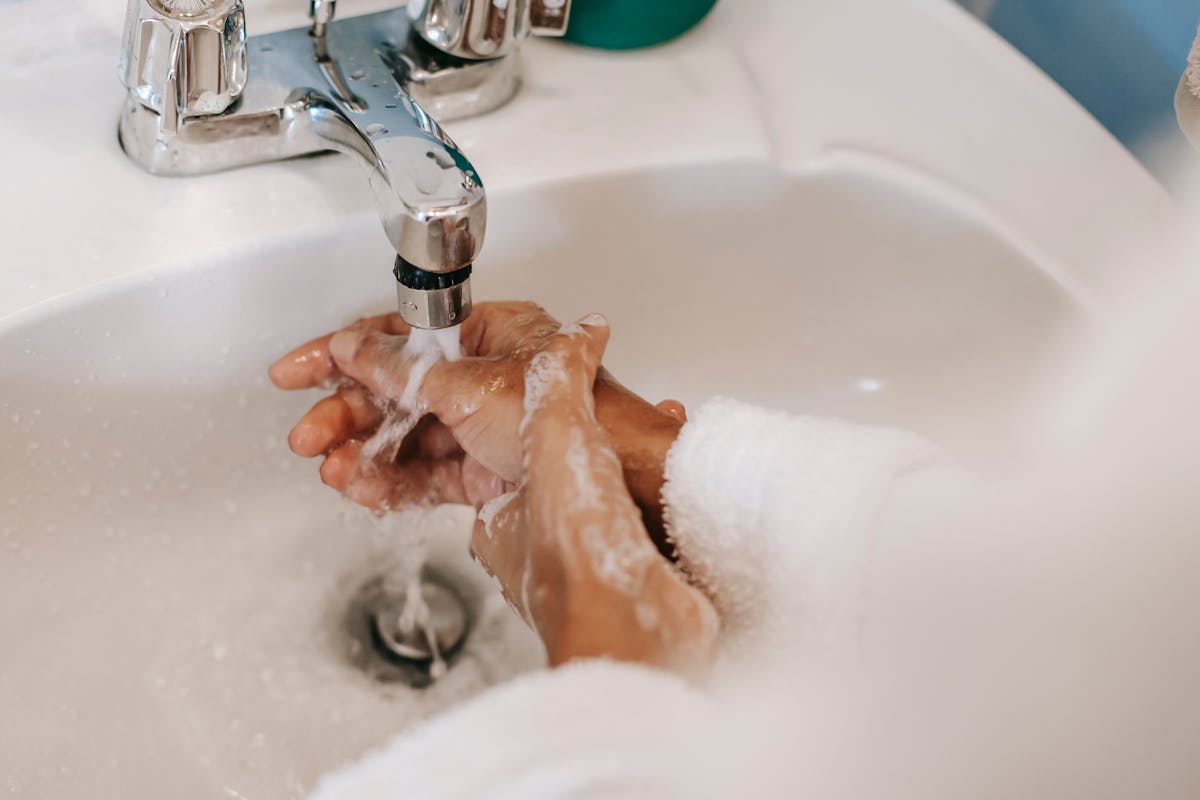
Maintaining personal cleanliness is the foundation of attractiveness. Unbrushed teeth, greasy hair, body odor, and unkempt nails signal a lack of self-respect and attention to detail. Beyond obvious cleanliness, habits like picking your nose or biting your nails in public amplify negative impressions. Women often rate hygiene as more important than physical fitness because it directly impacts daily interactions. Regular showers, oral care, and wearing clean clothes create a positive sensory impression that is hard to overlook.
Excessive Dependence on Parents
Being overly controlled by a mother or reliant on parental guidance signals a lack of independence. While a healthy bond with family is attractive, a man who defers major life decisions or depends on maternal intervention can appear immature. Women are drawn to partners who demonstrate autonomy, problem-solving skills, and accountability for personal choices. Independence fosters trust and establishes a sense of equality in relationships.
Poor Manners

Bad manners reflect immaturity and a lack of social awareness. Chewing with an open mouth, texting at the table, being rude to staff, and neglecting basic etiquette signal disrespect toward a partner and others. Such behaviors suggest a lack of consideration for shared spaces and relationships. Practicing good table manners, polite interactions, and situational awareness communicates refinement and thoughtfulness. Etiquette often outweighs appearance in long-term attraction.
Misogyny
Negative beliefs or demeaning attitudes toward women are universally repelling. Comments that undermine competence or capability create immediate disengagement. Women are attracted to men who respect their autonomy, intelligence, and contributions. Cultivating inclusive attitudes and valuing equality strengthens both personal appeal and relational foundation. Respectful communication reflects moral integrity and social intelligence.
Stinginess
Extreme frugality can be interpreted as a lack of generosity or empathy. Women notice how a man treats service staff and whether he considers experiences beyond monetary constraints. Being cheap can overshadow other positive traits, signaling self-centeredness or discomfort with sharing. Occasional generosity, thoughtful gift-giving, and fair tipping practices reflect emotional maturity. A balance between financial responsibility and openness fosters trust and attraction.
Gym Obsession

Fitness is important, but over-prioritizing workouts and protein intake can become off-putting. Constant talk about lifting, gym selfies, or rigid routines can convey vanity or obsession. Women appreciate health-conscious behavior when it complements a balanced lifestyle. Sharing interests outside the gym, including hobbies and social activities, creates a more rounded and appealing persona. Fitness should enhance life, not dominate every interaction.
Arrogance
Confidence becomes unattractive when it tips into arrogance. Overestimating one’s abilities or constantly dominating conversations signals entitlement. Women often prefer humility coupled with self-assurance rather than overt self-promotion. Sharing credit, listening attentively, and demonstrating humility enhance perceived charisma. Arrogance creates social friction and reduces relational longevity.
Smoking and Heavy Drinking
Smoking and excessive alcohol consumption negatively impact both health and attractiveness. Women are less likely to pursue long-term relationships with men who regularly smoke or drink heavily. Moderate social drinking is acceptable, but habitual intoxication signals poor judgment and self-control. Maintaining a healthy lifestyle and moderation demonstrates responsibility. Health-conscious choices reflect foresight and respect for self and partner.
Excessive Gaming

Spending disproportionate time gaming can convey immaturity and disengagement from real-world interactions. Women often view excessive gaming as a sign of a lack of motivation or communication skills. While casual gaming can be a shared interest, obsession over virtual worlds at the expense of relationships is unattractive. Demonstrating balance between hobbies and social engagement fosters a more appealing and approachable persona. Participation in shared experiences strengthens connection beyond screens.
Key Takeaways
Attraction is largely shaped by behaviors, habits, and lifestyle choices. Demonstrating self-respect, empathy, and social awareness increases appeal more than superficial traits. Cultivating balance across health, hobbies, relationships, and personal growth enhances long-term desirability.
Awareness of these turn-offs allows for intentional self-improvement, from hygiene and grooming to attitude and interpersonal skills. Women value men who are confident yet humble, ambitious yet considerate, and independent yet emotionally engaged. Small changes can have profound impacts on how a man is perceived and received.
Ultimately, relationships thrive when men prioritize respect, mutual satisfaction, and proactive personal development. By addressing these 12 behaviors, men can significantly increase their attractiveness and create stronger, more meaningful connections.