12 Warning Signs Your Body May Be Aging Faster Than Normal
Aging does not usually open the door. It sneaks in through the little things. The stairs feel longer, your sleep feels less refreshing, your skin looks tired, and your body seems to need more effort for things that once felt automatic.
That does not mean every ache, wrinkle, or slow morning is a disaster. Everyone changes with age. The real concern begins when those changes arrive early, pile up quickly, or start interfering with normal life.
Sometimes the body is not simply getting older. It may be reacting to stress, poor sleep, low activity, nutrition gaps, inflammation, sun damage, alcohol, smoking, or an untreated health issue. The clues are often easy to dismiss until they become hard to ignore.
Here are the signs your body may be aging faster than normal, and why they deserve attention before they become part of your everyday routine.
Your Walking Pace Has Slowed Down
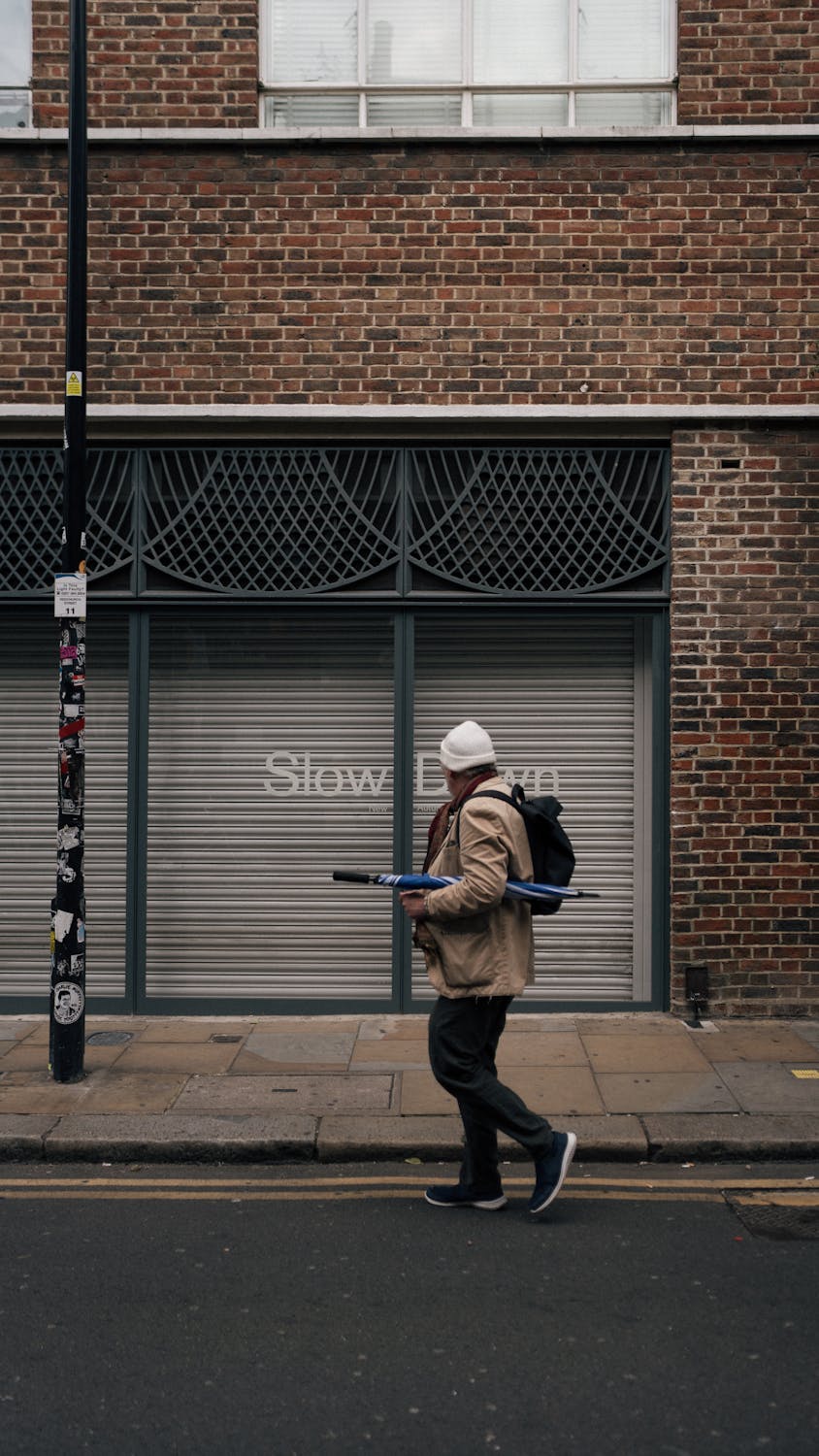
A slower walk can be one of the first signs that the body is losing strength, balance, or endurance. Walking looks simple, but it depends on your brain, lungs, heart, joints, nerves, and muscles working together. When your usual pace drops for no clear reason, your body may be telling you that its movement system needs support.
This becomes more noticeable in ordinary places. You may lag behind friends, avoid long parking lots, or feel tired walking through a grocery store. That quiet slowdown matters because movement often follows a cycle. The less you move, the weaker you feel, and the weaker you feel, the more you avoid moving.
You Are Losing Muscle Without Noticing
Muscle loss can be sneaky because the scale may not change much. Your arms may look softer, your legs may feel weaker, or your body may feel less firm, even if your weight stays nearly the same. This happens when muscle declines, and body fat gradually replaces it.
Muscle is more than appearance. It protects your joints, supports balance, helps manage blood sugar, and keeps you independent. When muscle fatigue sets in too quickly, everyday tasks become harder. Carrying laundry, lifting groceries, getting out of a low chair, and standing for long periods can all start to feel strangely difficult.
Your Grip Feels Weaker Than Before
Weak grip strength can feel like a minor problem until it starts interfering with daily life. Opening jars, holding bags, carrying tools, or keeping a firm grasp on objects may become harder. That weakness can reflect more than tired hands.
Grip strength often mirrors broader body strength. If your hands are losing power, your upper body and overall muscle health may also need attention. Sudden weakness, numbness, tingling, or weakness on one side of the body should be checked quickly. Gradual weakness may improve with resistance training, better protein intake, and consistent movement.
You Wake Up Tired Even After Sleeping
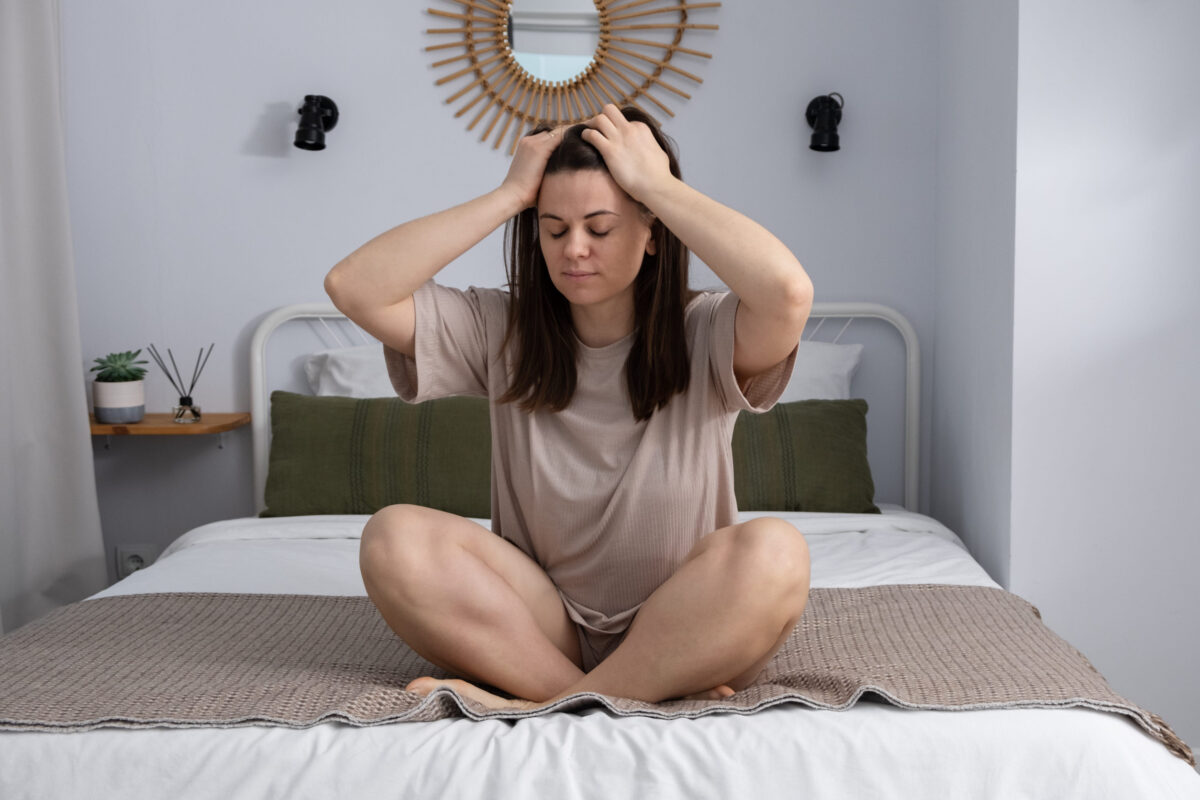
Sleep is supposed to help the body repair itself. If you spend enough hours in bed but wake up exhausted, your body may not be recovering well. Poor sleep quality can affect hormones, mood, memory, appetite, immune function, and physical energy.
The problem is not always bedtime. Snoring, sleep apnea, stress, late caffeine, alcohol, screen habits, restless legs, pain, anxiety, and irregular sleep routines can all leave you drained. When tiredness becomes your normal state, everything else feels harder. You move less, crave more quick energy, lose focus, and feel older than you should.
Your Memory And Focus Feel Foggy
Forgetting a name or misplacing your keys once in a while is common. The bigger warning comes when focus, memory, or decision-making begins to affect daily life. If you keep missing appointments, repeat questions, struggle to follow conversations, or feel mentally cloudy, your brain may need attention.
Brain fog can come from poor sleep, stress, depression, low activity, dehydration, medication effects, alcohol, blood sugar changes, vitamin deficiencies, or untreated health problems. Mental sharpness needs care just like muscles do. Reading, learning, conversation, walking, social connection, and quality sleep all help keep the brain engaged.
Your Balance Feels Less Reliable
Poor balance can make the body feel older almost overnight. You may feel unsteady stepping off a curb, turning quickly, walking on uneven ground, or getting out of the shower. That slight hesitation can slowly shrink your confidence.
The danger is that many people respond by moving less. That usually makes the balance worse. Balance is a skill your body maintains through practice. Gentle strength training, single-leg exercises, walking, vision checks, and reviewing medications can all help. Frequent falls or near falls should never be brushed aside as normal aging.
Your Skin Looks Older Than Your Age
Skin often shows early aging before the rest of the body does. Deep lines, rough texture, dullness, uneven tone, dryness, sagging, and dark spots can appear more quickly when skin is exposed to too much sun, smoking, poor sleep, stress, dehydration, or inflammation. The face, neck, chest, hands, and arms are usually the most affected because they get the most exposure.
This is not about chasing perfect skin. It is about protecting the body’s largest organ. Daily sunscreen, shade, gentle cleansing, moisturizing, enough sleep, and avoiding tanning beds can make a real difference. Any mole, spot, sore, or patch that changes quickly, bleeds, or refuses to heal should be evaluated by a healthcare professional.
Your Joints Feel Stiff Every Morning

Morning stiffness can make you feel old before the day starts. A little stiffness after sleep is common, but stiffness that lasts too long, comes with swelling, or limits your movement may point to inflammation, arthritis, injury, or weak muscles around the joints. Joints often complain when the body is underused or overloaded.
Movement usually helps more than complete avoidance. Walking, stretching, gentle mobility work, water exercise, supportive shoes, and strength training can improve joint function. Sharp pain, redness, heat, swelling, fever, or worsening pain should be checked. Constant pain is not something we should casually accept as the price of aging.
You Bruise More Easily
A random bruise after bumping into furniture is usually not shocking. Frequent bruises with no clear explanation can be a different story. Skin naturally becomes thinner with age, but easy bruising may also point to fragile blood vessels, medication effects, nutrient gaps, alcohol use, or other health concerns.
The pattern matters. If bruises are large, painful, recurring, or appearing in unusual places, your body may be signaling that something needs review. Bruising, bleeding gums, nosebleeds, severe fatigue, or unexplained weakness should be taken seriously. Aging should not make the body feel suddenly breakable.
Your Waistline Keeps Growing
A growing waistline can signal faster metabolic aging, especially when it happens without major changes in your overall weight. This can happen when muscle drops, stress rises, sleep worsens, or daily movement declines. The body may begin storing more fat around the middle, which can affect energy, blood sugar, inflammation, and heart health.
This is not about having a perfect stomach. It is about noticing a shift in how your body functions. Tighter waistbands, heavier movement, and more afternoon crashes can all tell a story. Strength training, walking, fiber-rich foods, adequate protein intake, and better sleep can help support a healthier metabolism.
Small Cuts Take Too Long To Heal
Slow healing can be one of the most overlooked signs that your body is under strain. Skin repair depends on blood flow, nutrition, immune health, hydration, oxygen, collagen, and blood sugar control. If tiny cuts linger, scrapes reopen, or wounds often become irritated, your repair system may not be working as well as it should.
This sign matters even more for people at risk of diabetes, those with circulation problems, smoking history, or immune concerns. Protein, vitamin C, zinc, hydration, and stable blood sugar all support healing. A wound that becomes hot, swollen, painful, smelly, or slow to improve should be checked by a healthcare professional.
Stairs Suddenly Feel Like A Workout
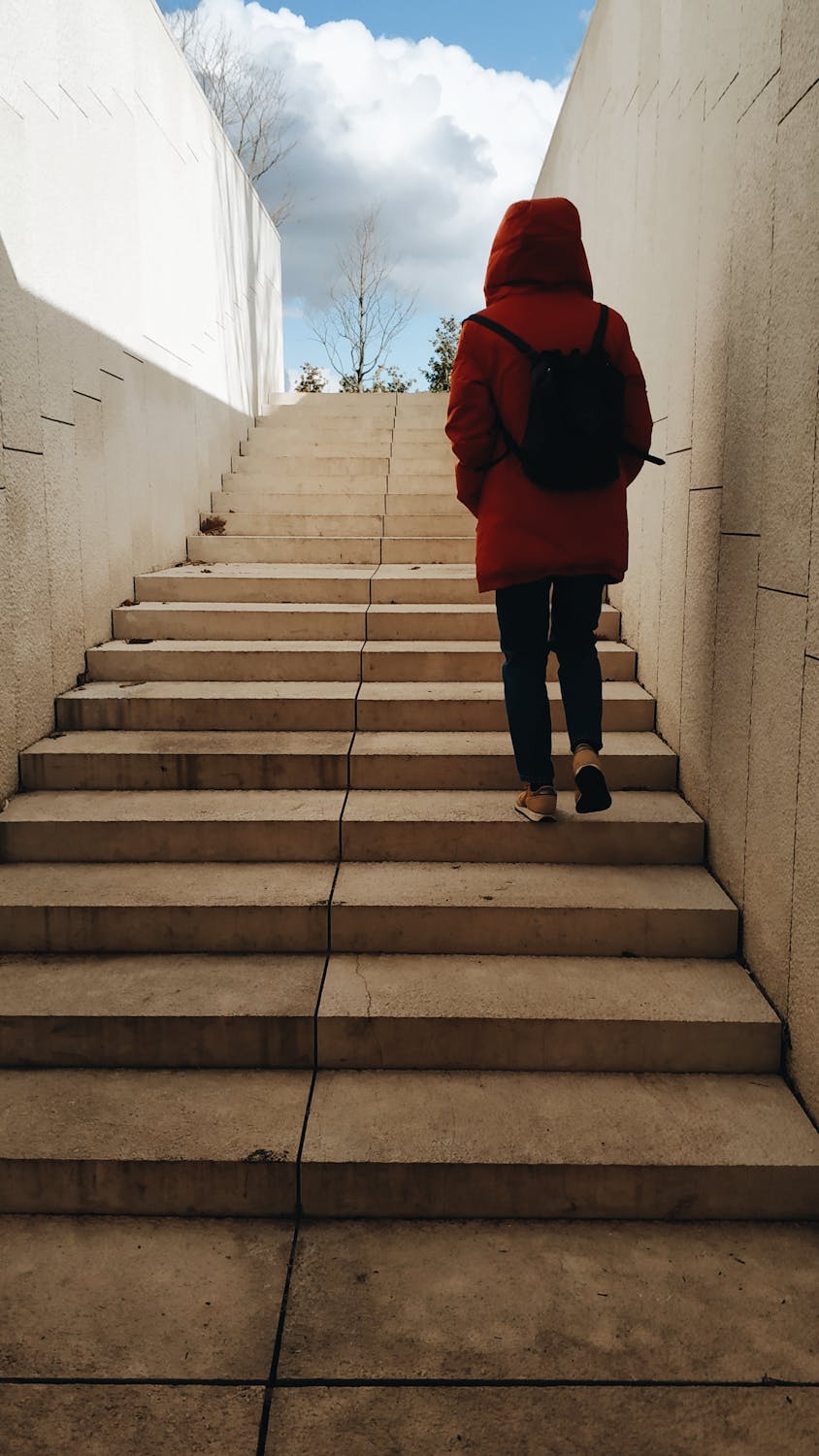
Stairs expose the truth fast. They test your legs, lungs, heart, balance, and core strength in a few seconds. If one flight of stairs now leaves you winded, shaky, or searching for the railing, your body may be losing fitness faster than expected.
This does not mean you need to run up every staircase like an athlete. The warning is the sudden change. If stairs used to feel normal and now feel intimidating, it may be time to rebuild leg strength, check your breathing, and pay attention to your heart health. Daily tasks should challenge you a little, not make you feel defeated.
What Makes The Body Age Faster
Faster aging is rarely caused by a single factor. It usually comes from repeated stress on the body. Poor sleep, long sitting hours, low muscle mass, smoking, heavy drinking, too much sun exposure, ultra-processed food, chronic stress, loneliness, and untreated medical conditions can all speed up visible and physical decline.
The encouraging part is that many of these patterns can be improved. We do not need a dramatic life reset. We need repeatable habits that protect strength, sleep, skin, mood, and movement. Small changes practiced daily can slowly pull the body back toward better function.
How To Slow The Damage
The best anti-aging habits are not glamorous, but they work. Build strength with resistance exercise. Walk often. Protect your skin from the sun. Eat enough protein. Add more fiber-rich foods. Sleep on a steady schedule. Drink water. Reduce smoking and heavy alcohol use. Make time for real rest.
Most people do not need perfection. They need consistency. A short walk after meals, two strength sessions a week, better bedtime habits, and more whole foods can create a noticeable shift. The body responds when we stop treating it like a machine that can run forever without maintenance.
Conclusion
Aging is natural, but feeling older than your age does not have to be ignored. Slower walking, weaker grip, poor balance, tired skin, brain fog, stubborn fatigue, stiff joints, easy bruising, and slow healing can all be messages from the body. The earlier we listen, the more options we have.
The goal is not to look young forever. The goal is to stay strong, clear, mobile, and confident for as long as possible. Your body may age every year, but with the right care, it does not have to age faster than it should.