6 Avocado Storage Mistakes That Can Ruin Your Fruit Before You Use It
Avocados have become a kitchen favorite for everything from guacamole and avocado toast to salads, sandwiches, tacos, and grain bowls. But many home cooks know the frustration of buying a perfect-looking avocado, only to find it hard one day and suddenly overripe the next.
A new campaign called “Guacxiety” has highlighted the familiar challenge of timing avocado ripeness. Good Foods Group launched the campaign on September 16, 2026, around National Guacamole Day, focusing on the uncertainty consumers feel when buying whole avocados and trying to use them at the perfect moment. The company’s commissioned survey found that many avocado buyers get frustrated when the fruit becomes unusable before they can enjoy it. While the campaign is a playful take on a common kitchen problem, the real solution comes down to understanding how avocados store. The right method depends on whether the avocado is unripe, ripe, cut, or frozen.
Don’t Refrigerate an Unripe Avocado Too Early
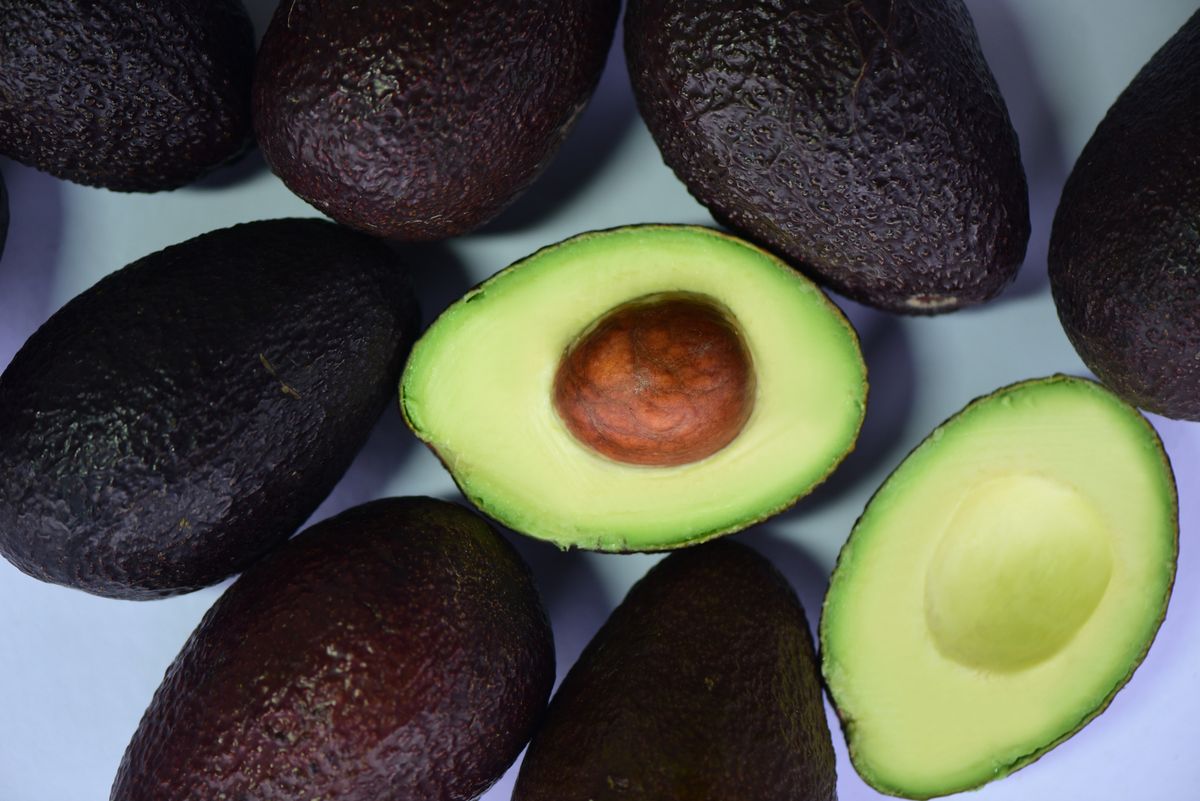
One of the biggest avocado storage mistakes is placing a firm, unripe avocado directly into the refrigerator. A cold environment can slow the natural ripening process, leaving you waiting longer for an avocado that is ready to eat. Whole avocados should generally ripen at room temperature first.
Keep a firm avocado on the counter until it begins to soften. Once it reaches the right ripeness, refrigeration can help slow the process and give you more time to use it. Michigan State University Extension advises letting avocados ripen before refrigerating, while UC Davis distinguishes storage conditions for mature-green and ripe avocados.
Better storage method:
- Keep hard avocados at room temperature.
- Check daily for gentle softness.
- Move ripe avocados to the refrigerator if you are not ready to use them immediately.
Don’t Leave a Perfectly Ripe Avocado Sitting on the Counter for Days
The small window between “not ready” and “too far gone” is what makes avocado storage frustrating. Once an avocado is ripe, leaving it on the counter can let the ripening process continue until the texture becomes soft, stringy, or unpleasant. You can refrigerate a ripe whole avocado to slow further ripening. UC Davis lists refrigerated conditions for ripe avocados, and Michigan State University Extension notes that refrigeration can help extend the usable period of ripe fruit.
Better storage method:
- Ripening today? Leave it on the counter.
- Ready but not eating yet? Place it in the refrigerator.
- Use refrigerated ripe avocados within your planned cooking schedule. Refrigeration does not stop aging forever, but it can help you avoid losing an avocado overnight.
Don’t Leave Cut Avocado Sitting Out
A sliced avocado changes quickly once the flesh is exposed. Cutting opens the fruit to oxygen, which can cause browning and reduce quality. More importantly, don’t leave cut produce sitting at room temperature if you plan to save it for later. FoodSafety.gov recommends refrigerating peeled or cut produce, and Michigan State University Extension also recommends refrigerating cut avocado.
Better storage method: Refrigerate leftover avocado promptly. Avoid leaving cut pieces on the counter. Store leftovers in the fridge until you are ready to use them. A leftover avocado half can still be useful for tomorrow’s meal—but only if you handle it correctly.
Don’t Store Cut Avocado With the Flesh Exposed to Air
The brown layer that appears on cut avocado is usually caused by oxidation. While some browning does not automatically mean the avocado is spoiled, limiting air exposure helps preserve appearance and texture. Simply placing an avocado half in the refrigerator uncovered is one of the fastest ways to create a dried-out, discolored surface. Michigan State University Extension recommends using moisture-resistant wrapping or storage methods that protect the cut surface.
Better storage method: Press plastic wrap closely against the exposed flesh. Use an airtight container. Refrigerate immediately. Adding a small amount of lemon or lime juice may help slow visible browning, but it does not replace refrigeration or extend storage indefinitely.
Don’t Freeze Whole Avocados Expecting Fresh Texture
Freezing can save ripe avocados, but the form matters. Many people assume they can freeze an entire avocado or slices and expect the same texture after thawing. However, the National Center for Home Food Preservation recommends freezing avocado as a purée rather than freezing it whole or sliced. Frozen avocado works best in recipes where texture changes are less noticeable, such as smoothies, Guacamole, Sauces, and and spreads.
Better freezing method: Mash ripe avocado into a purée. Add lemon juice or ascorbic acid if following preservation guidance. Store in a sealed freezer container. Freezing is a useful way to reduce waste, but it works best when you prepare the avocado for its new purpose.
Don’t Wash Whole Avocados Before Storing Them
Cleaning produce matters, but timing does, too. Washing whole avocados before storage can add extra moisture around the fruit, which may encourage deterioration. Michigan State University Extension recommends keeping whole fruit unwashed during storage and rinsing it under cool running water before cutting or eating.
Better storage method: Store whole avocados dry. Wash under running water before preparation. Avoid adding unnecessary moisture during storage. This simple habit can help keep avocados in better condition until you are ready to prepare them.
How to Tell If an Avocado Is Actually Ripe
Color alone is not always a reliable indicator of ripeness because avocado varieties can look different as they mature. A better test is gentle pressure. A ripe avocado should give slightly when you press it with the palm of your hand. Pressing too hard with fingertips can bruise the fruit.
UC Davis notes that softening is an important ripeness indicator, while some varieties, including Hass avocados, may also darken as they ripen. Look for: Slight softness when gently pressed, no major sunken areas, no mold or strong unpleasant odors.
Brown Avocado Does Not Always Mean Spoiled
One of the biggest avocado misconceptions is that any brown color means the fruit must be thrown away. Surface browning after cutting is often related to oxidation. However, other issues such as bruising, chilling injury, or decay can also affect avocado appearance. UC Davis identifies quality problems including internal browning, physical damage, chilling injury, and decay-related disorders.
A safer approach: Usually a quality issue: Small brown areas after cutting, Minor surface discoloration. Signs to discard: Mold, Extensive decay, Strong rancid smell, Severe breakdown of the flesh.
The Simple Avocado Storage Rule to Remember
The best avocado storage strategy is not complicated: Let unripe avocados ripen at room temperature. Refrigerate ripe whole avocados. Protect cut avocado from air. Freeze only when prepared correctly.
Avocados don’t have to be a guessing game. With a few simple storage adjustments, home cooks can enjoy more of their farmers’ market finds, grocery purchases, and favorite avocado recipes without watching perfectly good fruit go to waste.