7 Chilling Lessons from the Hantavirus Cruise Ship Outbreak That Put Global Travel on Edge
The sea is supposed to hide storms, not secrets. Yet aboard the MV Hondius, the first real warning did not come as a wave crashing against the hull. It came as a fever. Then a headache. Then stomach pain.
Then, there is breathing trouble. By the time the illness had a name, a rare virus had already turned one expedition voyage into an international health investigation.
That is what makes this outbreak so unsettling. It did not unfold like a movie disaster, with sirens, panic, and passengers running across decks. It moved quietly, almost politely, through the gaps of modern travel.
One ship. Passengers from several countries. A virus with a long incubation period. A handful of serious cases forced health officials to follow a trail stretching from South America to Africa, Europe, North America, and Asia.
A Quiet Illness Became a Death at Sea
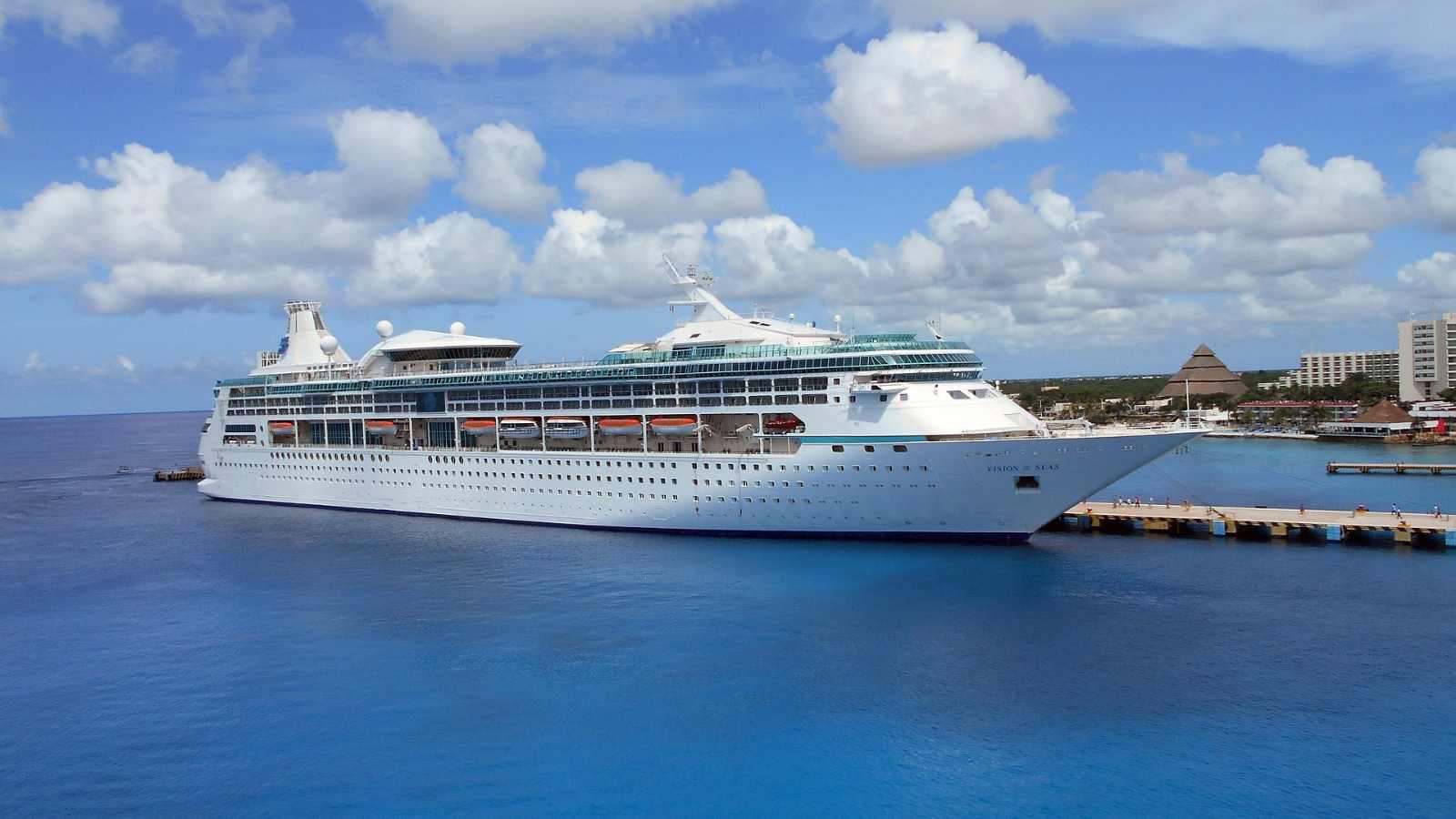
Every outbreak has a first frightening moment. On the MV Hondius, the symptoms began as ones that could have been mistaken for ordinary seasickness. A fever can look like exhaustion. A headache can look like dehydration. Stomach pain and diarrhea can look like food trouble.
But this illness did not stay small. It worsened, attacked the body more aggressively, and eventually led to a death on board.
That is the part that turns this from a cruise incident into a global health story. The first case did not immediately announce itself as hantavirus. It crept in wearing the mask of common illness, then revealed itself only after the situation had already become severe.
For passengers, crew, doctors, and public health teams, that delay became the problem. By the time the danger was clearer, people connected to the ship were no longer all in one place.
One Ship Suddenly Became a Moving Puzzle
A ship can feel contained, almost like a floating border. But the MV Hondius proved how quickly that illusion breaks. Passengers and crew came from many countries, traveled to remote destinations, and later began to separate along different routes. Some disembarked.
Some needed emergency medical care. Others returned home before authorities fully understood the scope of the outbreak.
That turned contact tracing into a race against time. Health officials were no longer asking only who became sick on board.
They had to ask who shared space with whom, who left the ship, who flew where, who developed symptoms later, and who might still be inside the incubation window. The ship became less a single location and more a map of human dots moving across the world.
The Andes Strain Made the Story More Serious

Most hantavirus stories begin with rodents, not people. The virus is usually linked to exposure to infected rodent urine, droppings, saliva, or contaminated dust. That already makes it dangerous in rural, forested, or poorly ventilated areas where rodents may be present.
But the Andes strain carries an extra warning label because it is the rare hantavirus strain known to spread between people through close contact.
That does not mean this outbreak should be treated like another Covid-style threat. It means the response must be sharper and more careful. Close contacts matter. Shared cabins matter. Caregiving moments matter. Prolonged exposure to a sick person matters.
In public health, rare does not mean harmless. It means the danger needs to be understood before it is dismissed.
The Symptoms Can Whisper Before They Roar
Hantavirus does not always begin with dramatic signs. It can start with fever, tiredness, muscle aches, nausea, vomiting, diarrhea, headache, or abdominal pain. Those symptoms are frustrating because they sound familiar.
A traveler can easily blame them on jet lag, food, rough seas, stress, or a passing bug. That is what makes the early stage so deceptive.
The danger arises when the illness spreads to the lungs. Coughing, chest tightness, shortness of breath, pneumonia, and respiratory distress can follow the early symptoms. At that point, the story changes fast.
A person who seemed merely unwell may suddenly need intensive care. That is why monitoring exposed passengers matters so much, even when some appear healthy at first.
Tenerife Became the Next Big Checkpoint
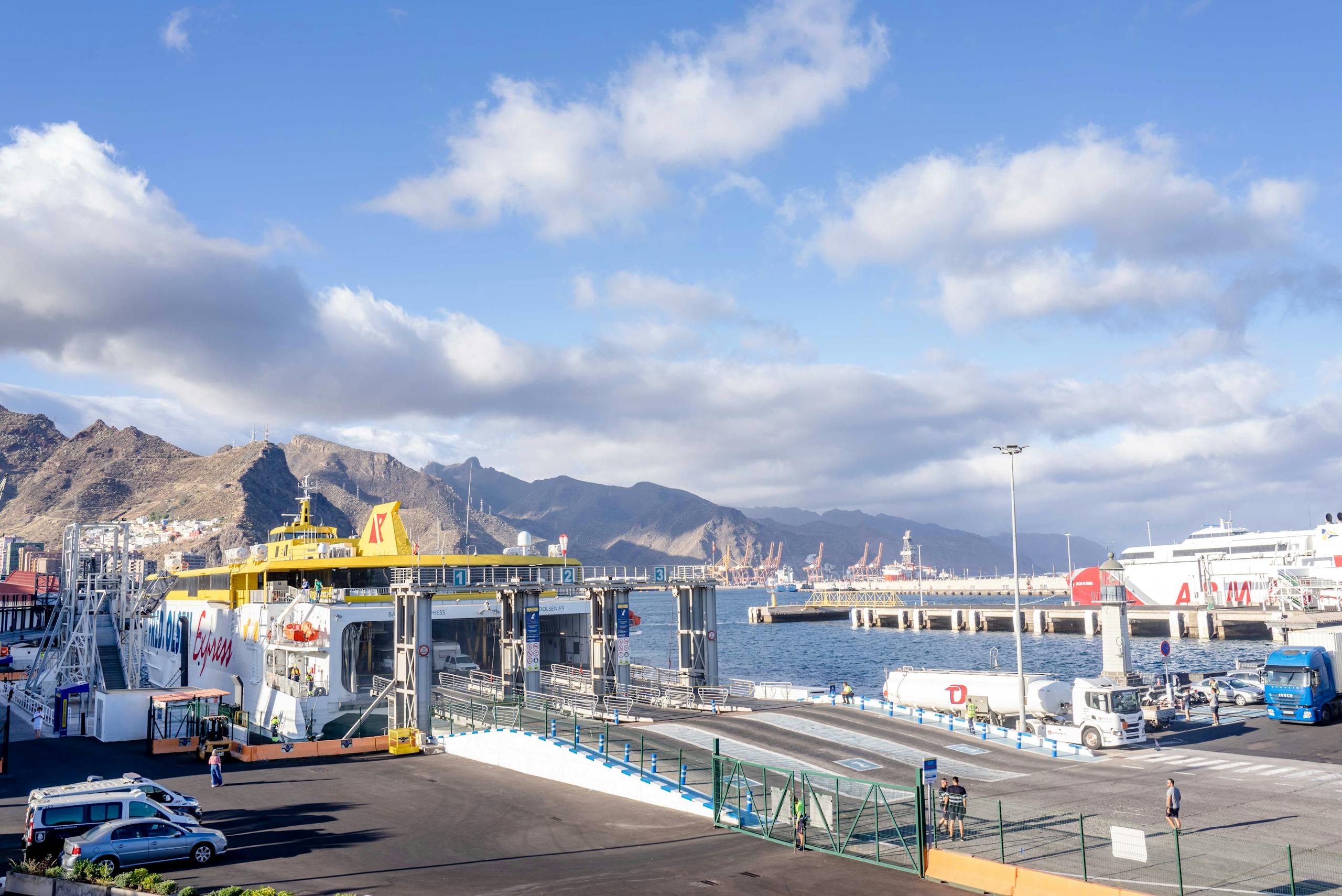
The ship’s expected arrival in Tenerife was not just another stop on the itinerary. It became a public health checkpoint.
Authorities had to think carefully about how passengers would leave the vessel, how they would be screened, how onward travel would be handled, and how to avoid confusion while still taking the outbreak seriously.
That is where the pressure of modern travel shows itself. A dock is not the end of an outbreak response. It can be the beginning of another stage. Once passengers step off a vessel, they may board planes, enter hotels, pass through airports, or return to their families.
The goal in Tenerife was not panic. It was control. The ship could arrive, but the virus could not be allowed to outrun the plan.
The Likely Source Points Back to Hidden Rodent Exposure
The most likely origin of the outbreak appears to involve environmental exposure, possibly before the cruise began or during travel in regions where hantavirus-carrying rodents may live.
That detail matters because it moves the story away from the idea of a mysterious “cruise virus.” The ship may have become the setting, but the original danger likely began on land.
This is the uncomfortable truth about adventure travel. The most beautiful places can carry risks that do not appear in the brochure.
Remote landscapes, wildlife areas, cabins, fields, forests, and poorly ventilated storage spaces can expose travelers to rodent contamination without a dramatic warning sign. You do not need to see a rat to enter a risky environment. Sometimes the danger is already in the dust.
This Is Serious, but It Is Not a Pandemic Signal
The MV Hondius outbreak deserves attention because people died, cases were confirmed, and passengers were scattered across multiple countries. That is serious. But it is also important to be clear about what this is not.
Hantavirus does not spread easily through casual public contact, unlike major respiratory pandemic viruses. The broader public risk remains far lower than the headlines suggest.
The smarter response is precision, not panic. Exposed people need monitoring. Sick people need fast care. Close contacts need guidance. Health agencies need clear passenger lists and honest symptom reporting.
This is the kind of outbreak where calm, disciplined action does more good than alarm. Fear makes noise, but tracing, testing, isolation, and medical care do the real work.
What Travelers Should Learn from This Outbreak
The lesson is not that cruises are suddenly unsafe. The lesson is that travel can connect hidden environmental risks with global movement faster than most people realize.
A traveler may be exposed in a remote area, feel normal for days, continue the journey, and only become ill after crossing borders. That quiet delay is what gives rare outbreaks their power.
Travelers visiting rural, forested, wildlife-heavy, or rodent-prone areas should treat prevention as part of the trip. Avoid contact with rodents and droppings. Store food securely. Be careful in cabins, sheds, campsites, and poorly ventilated places. Do not stir up dust in areas that may be contaminated.
Most importantly, anyone who develops fever, stomach symptoms, cough, or breathing trouble after possible exposure should seek medical care promptly and clearly explain their travel history.
Conclusion
The MV Hondius hantavirus outbreak reads like a warning written in small details. One fever. One ship. One remote route. One rare virus had enough time to move before anyone fully understood the threat.
The story matters because it shows how quickly local exposure can become an international response when passengers scatter across the world.
This is not a reason to fear every voyage. It is a reason to respect the invisible risks that sometimes travel beside us. The sea may look calm, the itinerary may look polished, and the first symptoms may look ordinary.
But in public health, the smallest clues often matter most. When a rare virus enters the journey, early attention can make the difference between control and confusion.