7 Hidden Dangers Along Europe’s Coasts Experts Say Could Unleash a Killer Wave
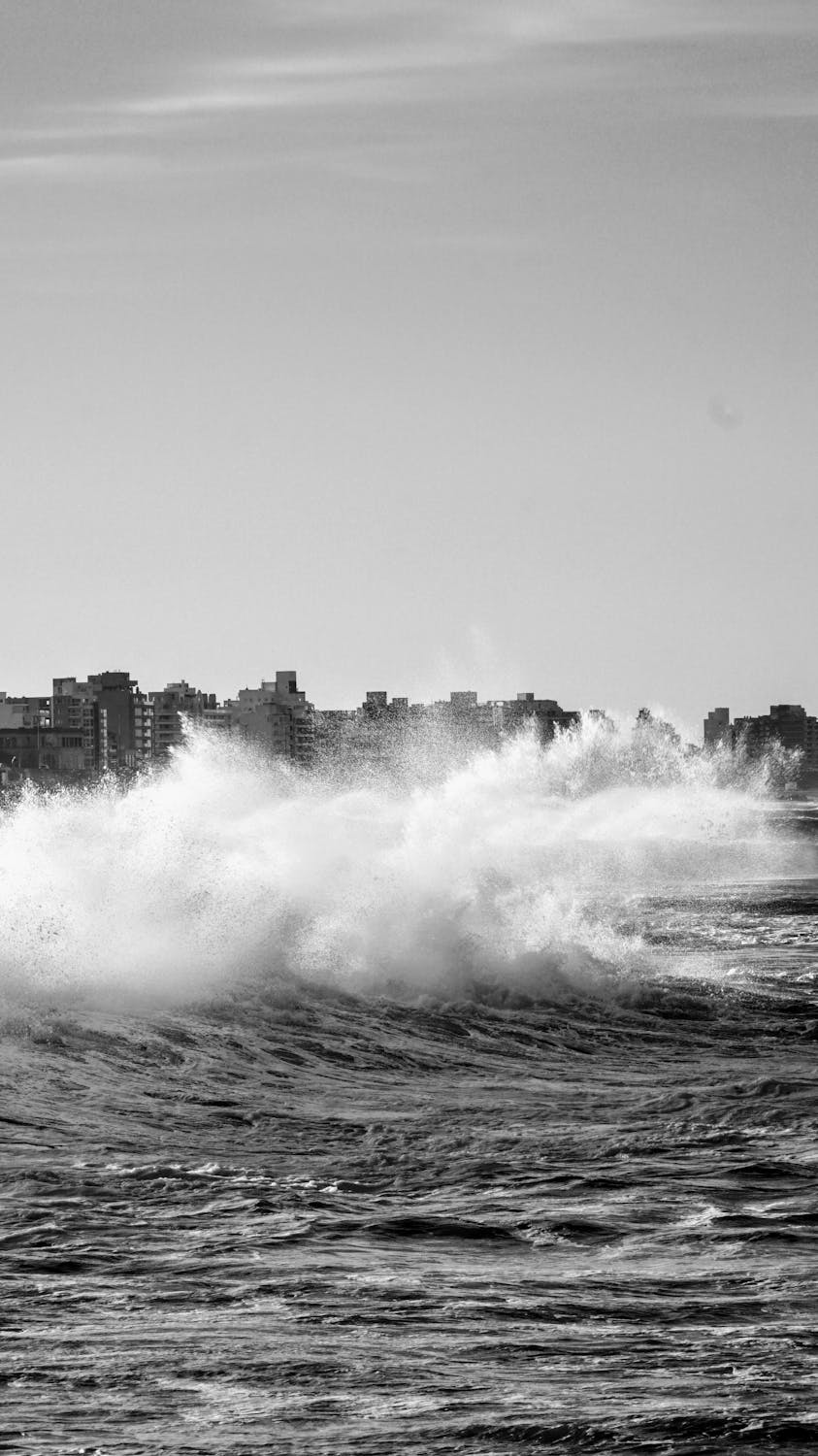
Europe’s coastline has always sold a gentle dream: blue water, bright cafés, soft sand, and slow afternoons. Tourists stroll, cafés buzz, and beaches shine, but beneath that postcard calm, scientists warn of a harder truth. A damaging tsunami in the Mediterranean is not a movie plot. It is a future emergency waiting for the wrong earthquake, the wrong coastline, and the wrong few minutes. Experts warn that this threat could strike suddenly, transforming familiar shores into dangerous zones. Understanding why this risk is real, and why preparation is uneven, might be the only way to survive the next surge.
Fault Lines Under Calm Waters
The Mediterranean and nearby Atlantic margins hide restless fault lines. Zones like the Alboran Sea and Azores Gibraltar area can shift violently without warning. Even a shallow underwater quake can displace massive volumes of water quickly. The ocean’s surface may look peaceful, but deep below, energy accumulates, ready to release in sudden waves. Coastal communities must treat calm seas with caution, as hidden pressure can turn a quiet day into chaos within minutes.
Small Waves Pack Big Dangers
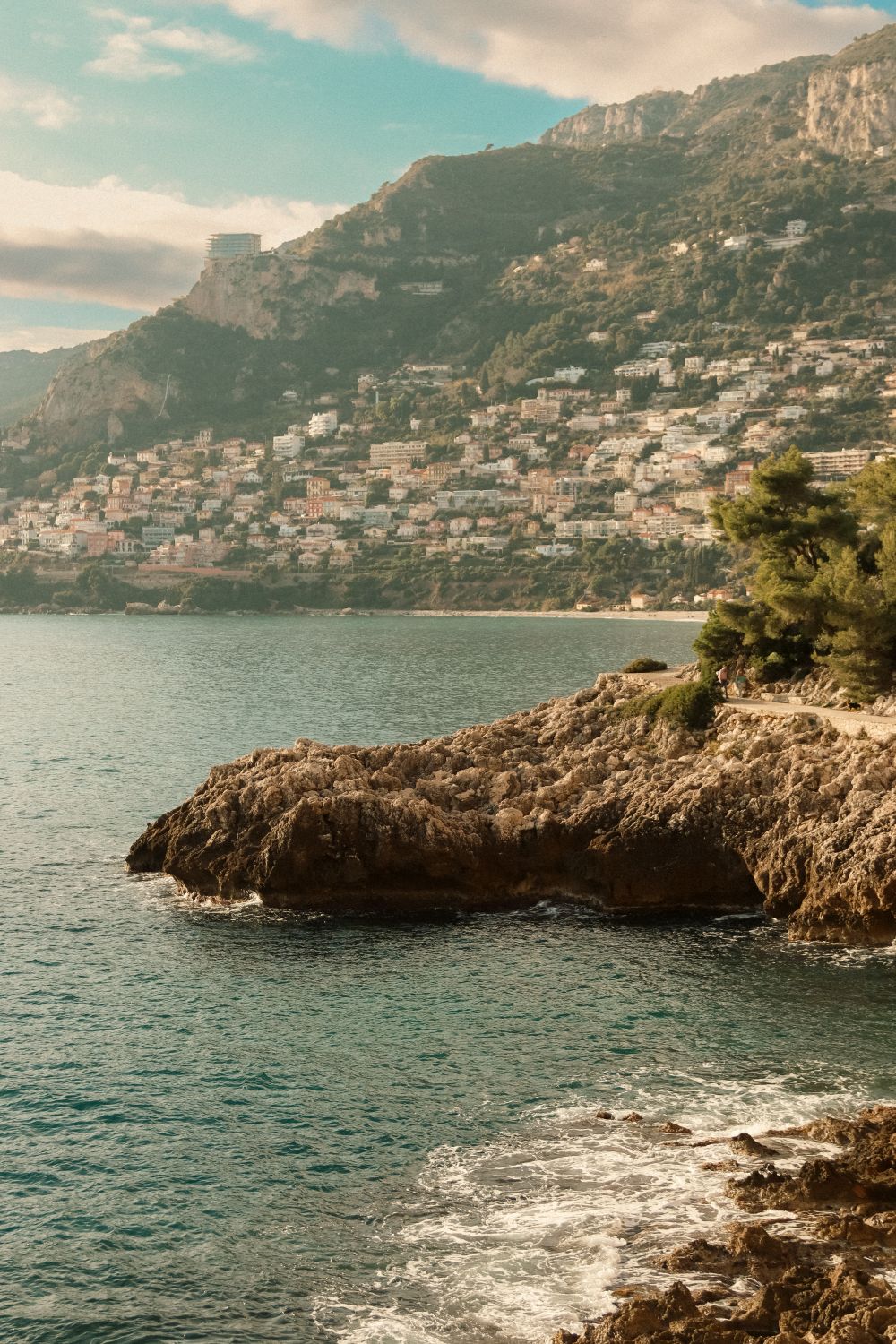
A tsunami’s height alone does not reflect its destructive force. Even one-meter waves carry immense energy, rushing inland, flooding streets, overturning cars, and dragging debris. Ordinary beachgoers underestimate the danger of low waves, believing they are harmless. Speed, volume, and unexpected force combine to make even modest surges lethal. Coastal safety relies on understanding that size is deceptive, and impact comes from momentum, not just height.
Cities Built Too Close to Shore
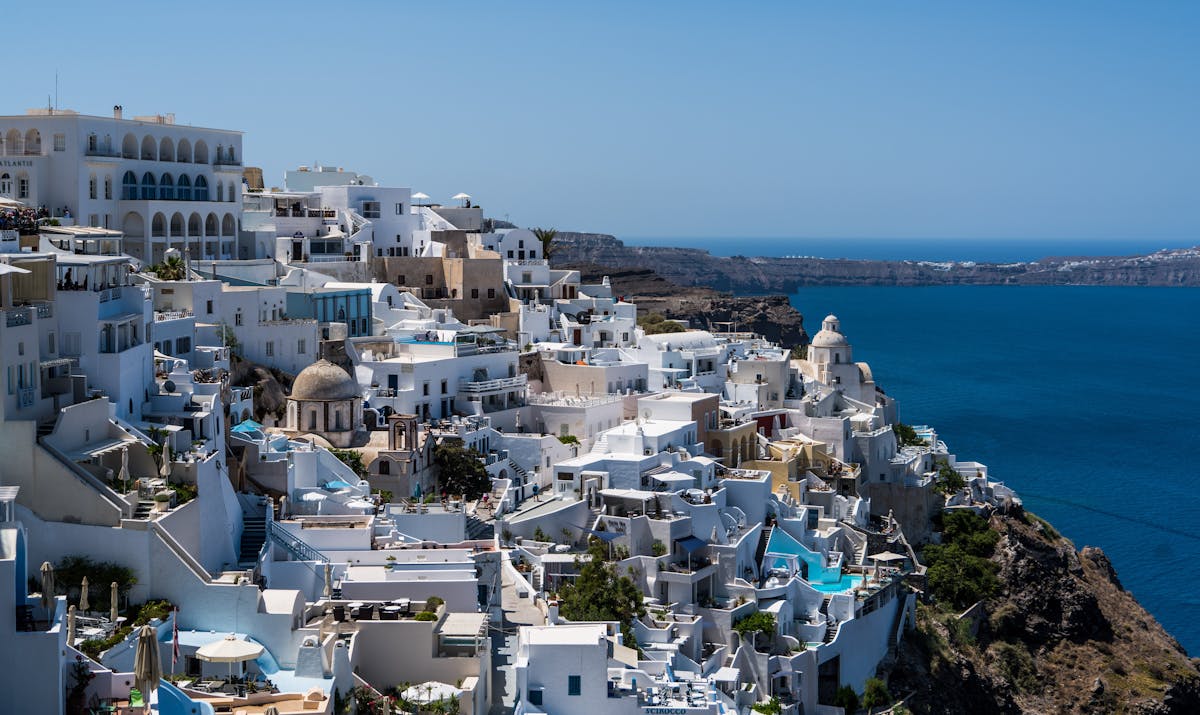
Europe’s most vibrant towns hug the coastline, placing hotels, restaurants, and ports in the direct path of incoming waves. Overdevelopment has removed natural barriers like dunes and wetlands. When the sea surges, there is little buffer to slow or absorb its power. Beauty and convenience now collide with risk, and a densely packed waterfront can trap people in dangerous conditions. Urban planning along the coast leaves cities highly vulnerable to sudden flooding.
Warning Time Could Vanish
Local tsunamis can reach the shore in minutes after an offshore earthquake. In many Mediterranean areas, residents and visitors have only a short window to react. This gives little time to gather belongings, find safe ground, or follow official instructions. Delay can become deadly. Awareness and immediate action, moving inland or uphill, are critical for survival. Minutes can decide who escapes and who is trapped in rising waters.
Europe Has Paid Before
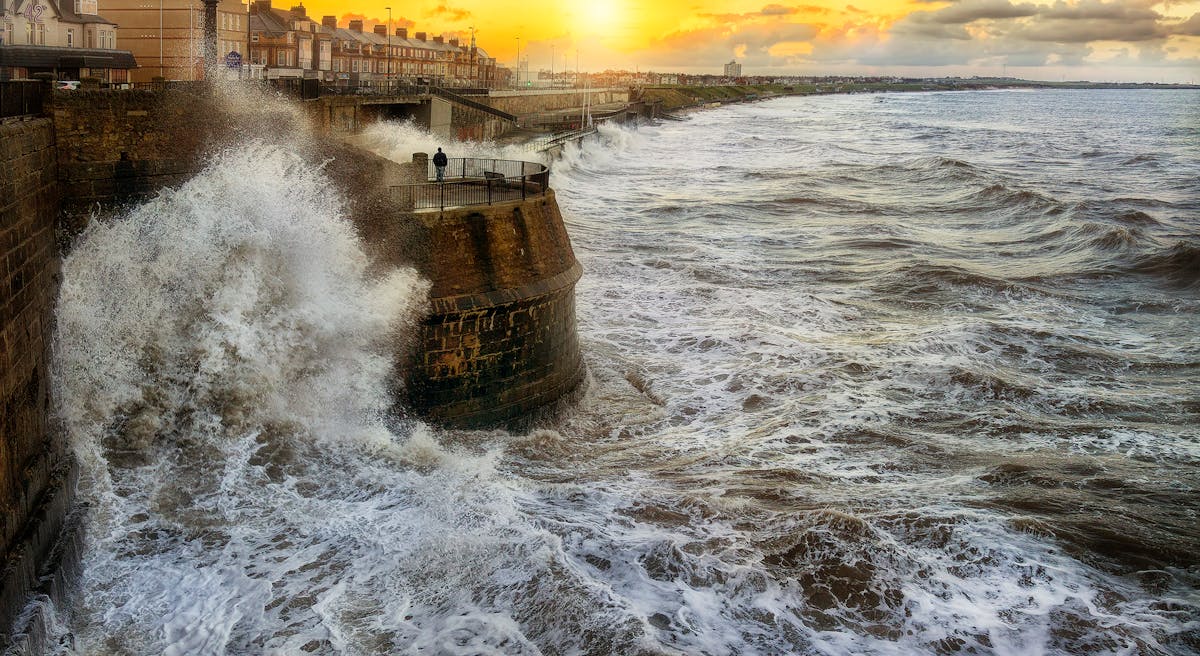
Historical events prove Europe is not immune. The 1755 Lisbon earthquake and tsunami devastated Portugal, Spain, Morocco, and beyond, leaving thousands dead. Modern coastlines are more populated, raising the stakes even higher. Past disasters highlight the importance of preparation. Ignoring history risks repeating mistakes, and today’s crowded beaches make the next wave potentially even deadlier. Awareness of precedent is key to realistic risk management.
Tourism Hides the Risk
Popular destinations often avoid discussing tsunamis to keep visitors calm. Hotels and towns fear scaring tourists, creating a culture of quiet complacency. Ignoring the risk does not prevent it. Visible alerts, evacuation maps, and public education can protect lives without hurting business. Safety measures need to be integrated openly so residents and travelers understand risks and know what to do when the water rises unexpectedly.
Preparedness Remains Uneven
Some towns have evacuation plans, drills, and public signage, but others remain dangerously unready. Tourists often do not know local routes or emergency procedures. Sirens and warnings help, but human behavior is the final factor. Disorganized responses amplify harm when the first wave strikes. Bridging the preparedness gap is essential because the next tsunami will test how seriously communities treat safety before the water arrives.
Don’t Wait for the First Wave
Europe’s tsunami threat is real, sudden, and potentially devastating. Calm seas today may conceal pressure that could unleash destruction tomorrow. Awareness, rapid action, and clear safety planning are vital for survival. Communities and visitors must treat the ocean as a force to be respected, not a backdrop for a leisurely day. Ignorance could turn a beach vacation into a life-or-death situation in a matter of minutes.