7 Kitchen Habits That Make Food Spoil Faster Than It Should
Food does not always spoil because it is old. Sometimes, it spoils because the kitchen quietly works against it. A little warmth, a loose lid, a crowded fridge shelf, or a forgotten splash of moisture can turn fresh groceries into limp, sour, moldy disappointments long before their time. The frustrating part is that many of these habits look harmless in the moment. You bring home crisp greens, juicy berries, fresh bread, cooked leftovers, and creamy dairy with good intentions, then somehow the fridge becomes a graveyard of spoiled food by the end of the week.
The truth is simple. Food lasts longer when it is stored with care, kept at the right temperature, protected from excess air, and separated from things that speed up decay. Most people lose food because they treat everything the same, but tomatoes, herbs, leftovers, bread, meat, fruit, and pantry staples all need slightly different handling. Once you spot the small kitchen habits that invite spoilage, you can save money, reduce waste, and make your groceries stretch much further.
Leaving groceries out too long after shopping
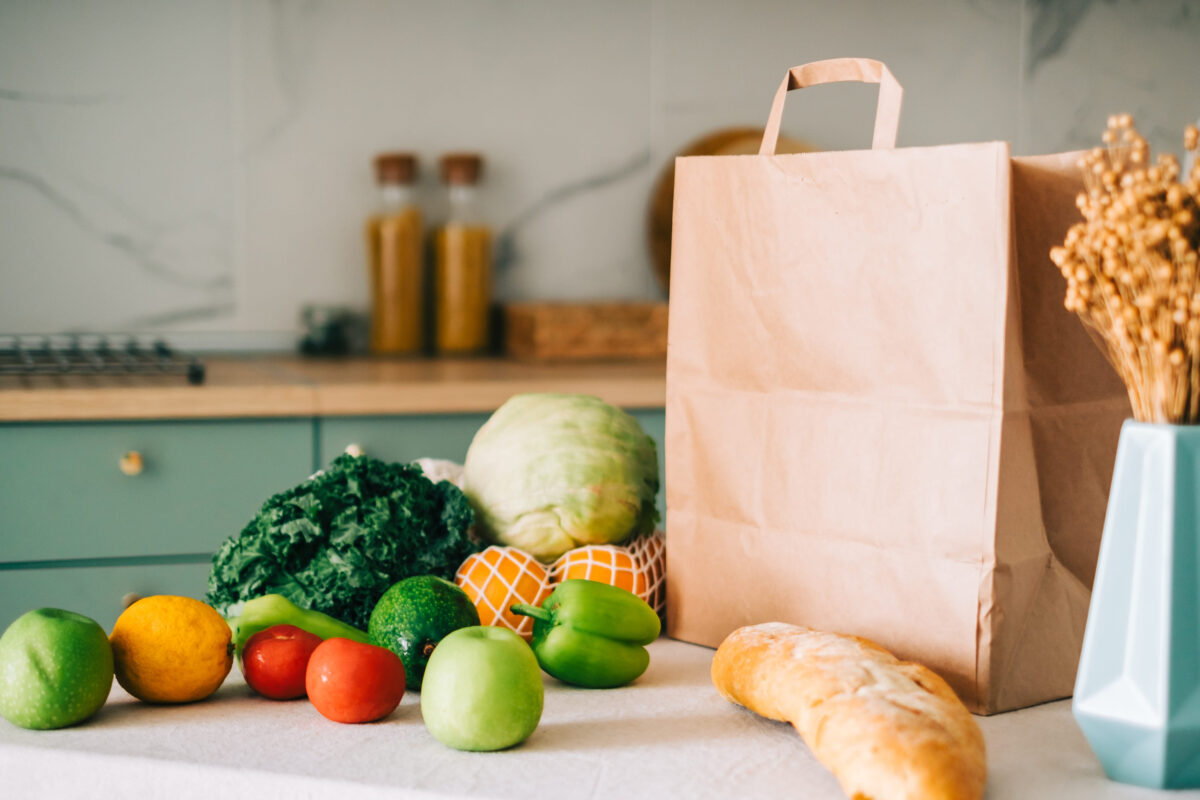
One of the fastest ways to shorten the shelf life of food is to let groceries sit on the counter after a shopping trip. It feels normal to drop the bags, answer a message, unload the car, or make a quick snack before putting everything away. The problem is that chilled foods do not stay safely chilled once they leave the store. Milk, yogurt, meat, fish, cut fruit, deli items, and frozen foods begin warming up quickly, especially in a hot kitchen or after a long ride home.
That warm window gives bacteria and mold a head start. Even when food still smells fine, its freshness clock has already sped up. Frozen foods may soften, refreeze, and lose texture. Dairy may sour earlier. Meat can develop off smells faster than expected. Fresh greens can wilt from trapped heat inside plastic bags. The simple fix is to put cold and frozen items away first, then deal with pantry goods later. Your fridge should become the first stop, not the final stop, after grocery shopping.
Overcrowding the fridge

A packed fridge may look like a sign of good planning, but it can quietly ruin your food. When every shelf is crammed, cold air cannot move properly. Some items stay too warm, others freeze near the back, and leftovers get lost behind larger containers. This creates a messy temperature trap where food spoils unevenly, and people forget what they bought.
Overcrowding also makes spills and leaks harder to notice. A leaking pack of meat can contaminate nearby containers. A soft cucumber can spread moisture to fresh greens. A moldy berry box can sit hidden until the whole shelf smells unpleasant. Fridges work best when air can circulate freely. Keep space between containers, avoid stacking delicate produce under heavy items, and move older foods toward the front. A less crowded fridge helps food stay colder, cleaner, and easier to use before it turns bad.
Washing produce before storing it
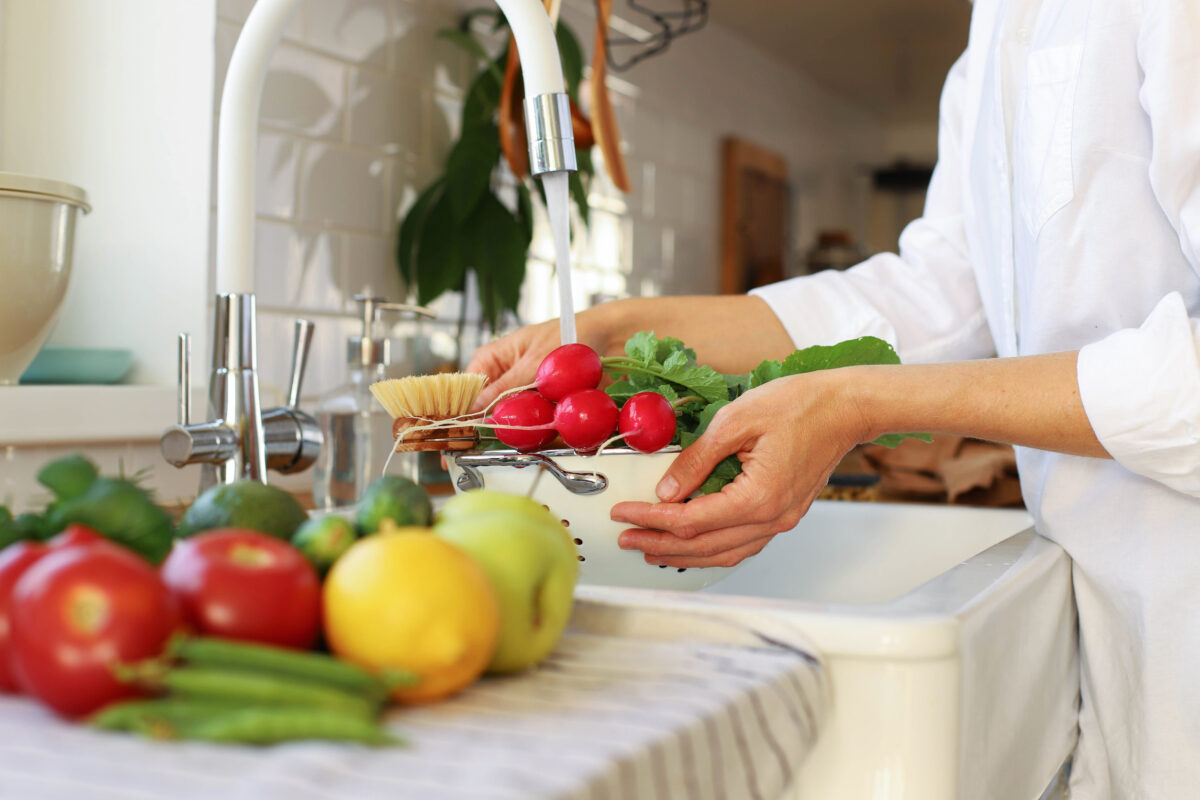
Washing fruits and vegetables as soon as you get home feels responsible, but it can backfire. Moisture is one of the biggest enemies of fresh produce. When berries, lettuce, herbs, mushrooms, and grapes go into the fridge damp, that extra water creates the perfect environment for mold, slime, and limp textures. A box of strawberries can look beautiful one day and fuzzy the next because moisture got trapped between the fruit.
Some produce handles washing better right before eating, not before storage. Leafy greens can last longer when wrapped with a dry paper towel and stored in a breathable container. Mushrooms prefer a paper bag rather than a sealed plastic bag because they dislike trapped moisture. Herbs often need gentle handling and controlled moisture, not a heavy rinse followed by a wet container. If you like washing ahead, dry everything thoroughly before storing it. Freshness loves cleanliness, but it loves dryness even more.
Storing everything in its original packaging
Original packaging is convenient, but it is not always the best home for food. Store packaging is designed for transport and display, not always for maximum shelf life in your kitchen. Thin plastic bags can trap condensation around vegetables. Opened bread bags can invite air and dryness. Meat packaging can leak. Half-opened cheese wrappers expose their edges to air, which can cause them to dry out or mold more quickly.
Once food comes home, it often needs a better container. Leftovers belong in airtight containers. Cheese lasts better when wrapped properly and protected from excess air. Cut fruit needs sealing. Dry goods like flour, rice, cereal, and pasta stay fresher in clean containers with tight lids. Fresh herbs may need a jar with a little water or a loose cover, depending on the type. Good storage is not fancy. It simply creates a barrier against air, moisture, pests, and odors.
Putting hot leftovers straight into deep containers
Leftovers are among the easiest places to lose food without realizing it. Many people scoop hot soup, rice, stew, pasta, or casserole into one deep container, snap the lid on, and place it in the fridge. That sounds efficient, but a deep container cools slowly. The outer edges may chill, but the center can stay warm for too long. That lingering heat creates a spoilage risk and can also raise the temperature around nearby foods.
Leftovers need quick, even cooling. Shallow containers help food chill faster. Large batches should be divided into smaller portions rather than stored in a single heavy tub. Lids can stay slightly loose until steam escapes, then be sealed once the food cools enough for storage. This habit protects flavor too. Rice stays better, sauces stay fresher, and cooked vegetables avoid turning sour too soon. Leftovers should feel like tomorrow’s easy meal, not a guessing game.
Keeping fruit and vegetables together without thinking
Fruit bowls look charming, but some fruits can sabotage nearby produce. Apples, bananas, pears, peaches, avocados, and tomatoes release natural ripening gases that can speed up the ripening of other fruits and vegetables. That can be useful when you want a hard avocado to soften. It becomes a problem when delicate greens, cucumbers, broccoli, or berries sit too close and start aging before you can eat them.
This habit creates the classic kitchen mystery where one item seems to spoil everything around it. A bunch of bananas can speed up ripening in nearby fruit. A soft apple in a drawer can affect the rest of the produce. A tomato placed with sensitive vegetables can push them past their prime. Separate strong ripeners from delicate produce. Check fruit bowls often and remove bruised items quickly. One overripe piece can turn a fresh setup into a chain reaction.
Ignoring fridge zones
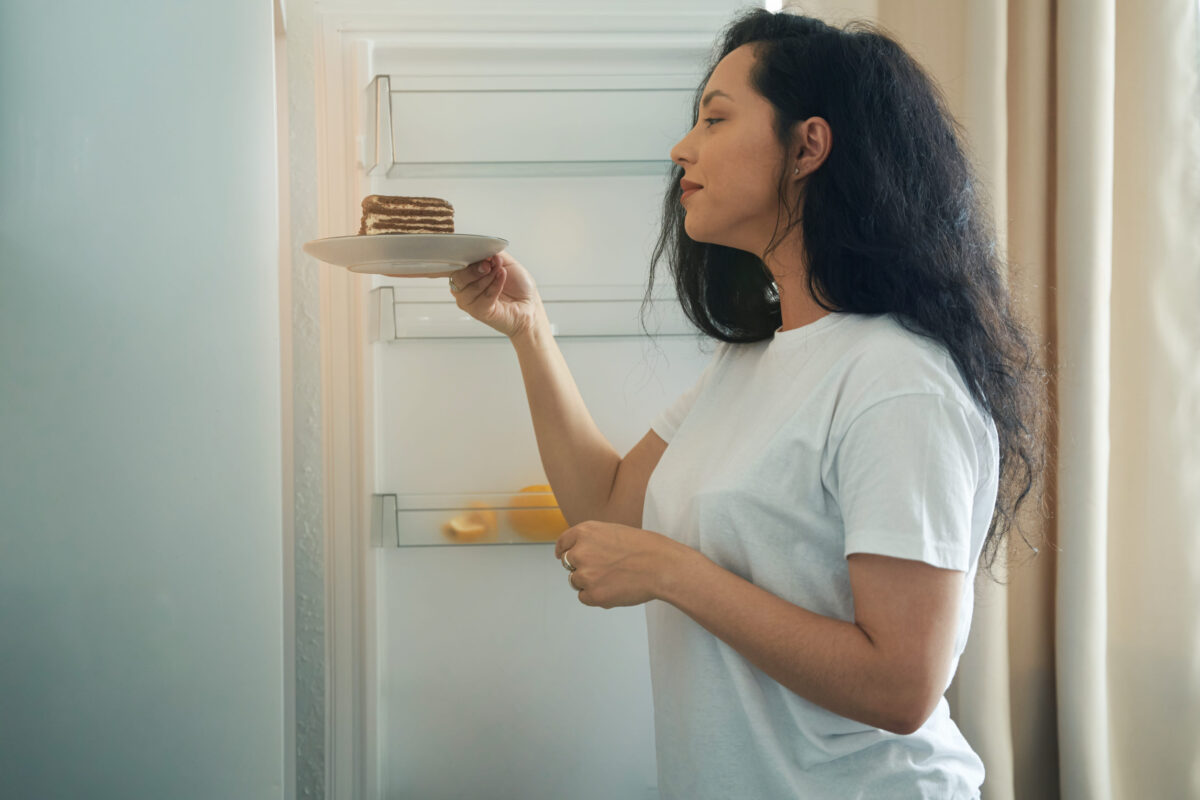
A fridge is not equally cold from top to bottom. The door is usually the warmest area because it opens often. The back can be colder. Lower shelves often stay colder than upper shelves. Drawers control humidity differently. When people place food anywhere it fits, they may accidentally store delicate or risky items in the worst spot.
Milk, eggs, raw meat, fish, and leftovers need a steady cold, so the door is usually a poor choice for them. Condiments are better tolerated because many contain salt, vinegar, or preservatives. Raw meat should sit low and sealed so it cannot drip onto ready-to-eat foods. Leafy greens often do better in a crisper drawer with the right humidity. Herbs may need a slightly different setup from carrots or celery. Learning your fridge zones turns storage from guesswork into strategy. Food lasts longer when it lives where the temperature suits it.
Conclusion
Food spoilage often starts with small habits that seem too ordinary to question. Leaving groceries out, crowding the fridge, storing damp produce, trusting weak packaging, mishandling leftovers, mixing ripening fruits with delicate vegetables, and ignoring fridge zones can all make fresh food fade faster than it should. None of these mistakes requires a complete kitchen makeover. They only require a little more attention at the exact moments when food is most vulnerable.
A smarter kitchen is not one filled with expensive gadgets. It is one where cold food gets chilled quickly, produce stays dry and separated, leftovers cool safely, and storage containers actually protect what is inside. Once you build these habits, your groceries look better, taste better, and last longer. That means fewer sad salads, fewer sour surprises, and fewer wasted dollars disappearing into the trash. Fresh food is already expensive enough. Your kitchen should help preserve it, not quietly speed up its downfall.