7 Pantry Staples That Go Bad Much Faster Than Most People Think
Most of us treat the pantry like a vault. If it’s dry, boxed, or bagged, we assume it will keep more or less forever. And for some foods, that’s close to true. White rice, white sugar, and dried pasta are famously long-lasting.
But a handful of everyday staples don’t last nearly as long as their shelf-stable reputation suggests. Many of them contain natural oils that slowly turn rancid at room temperature. Rancid food usually isn’t dangerous in small amounts, but it tastes bitter, smells like old paint or crayons, and can ruin a recipe.
University extension services, which publish research-based food storage guidance for the public, flag these seven pantry items as ones to watch.
1. Whole Wheat Flour
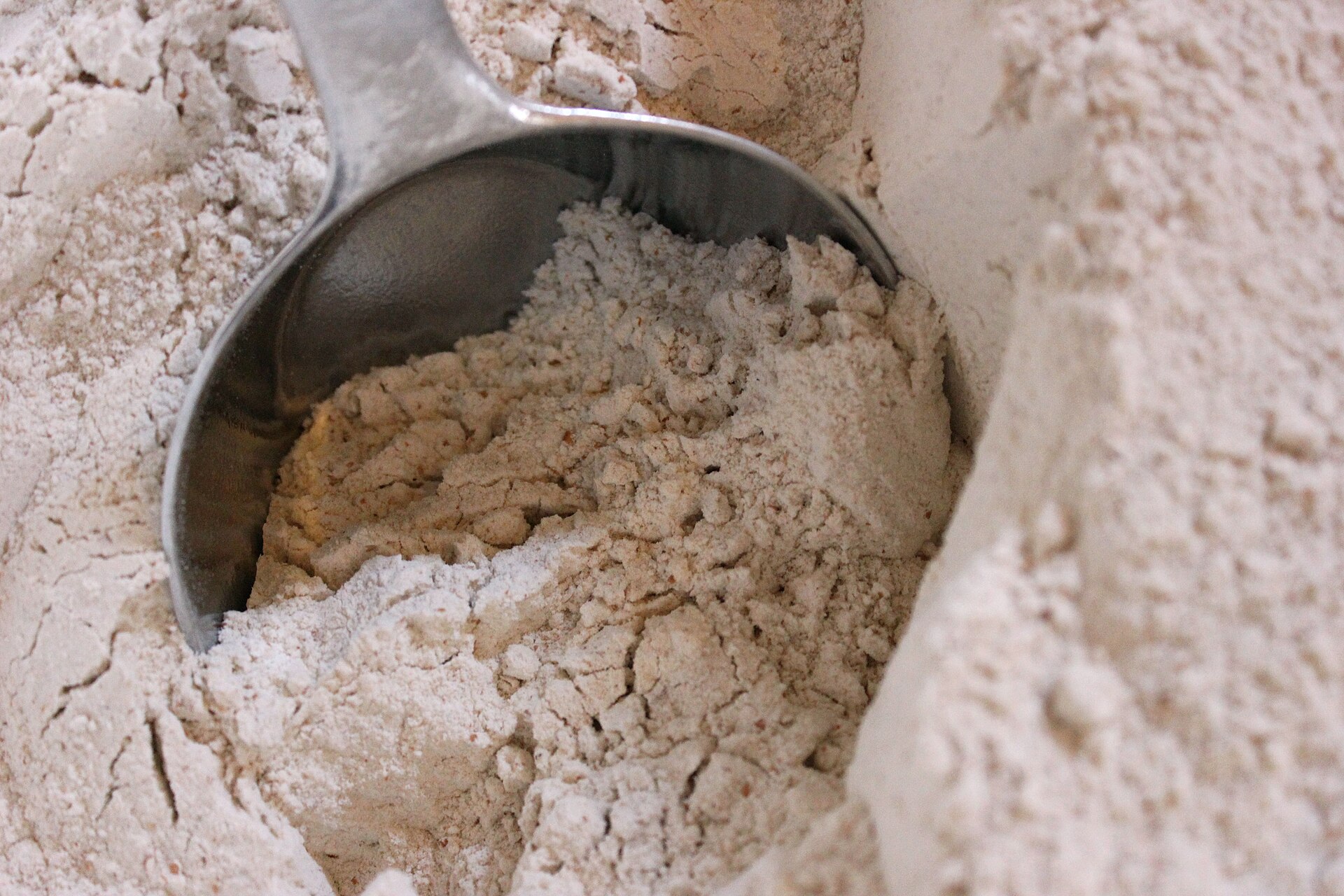
If you enjoy this kind of thing, Frenz Hub’s 20 Kitchen Mistakes That Are Making Us Cringe is worth a read too. Whole wheat flour keeps the bran and germ of the grain, and with them, oils that white flour doesn’t have. Clemson University’s Home and Garden Information Center lists whole wheat flour at about 3 months in the pantry, noting it keeps best in the refrigerator or freezer. White flour, by comparison, is listed at 10 to 15 months.
Ohio State University Extension also recommends refrigerating whole wheat flour in an airtight container. We also covered this angle in 9 Pantry Staples That Are Still Cheap in 2026.
2. Brown Rice
Frenz Hub took a similar look at everyday life in 15 Poor People Foods That Even the Wealthy Eat. Brown rice has the same issue. Its bran layer contains oil, which shortens its shelf life considerably. Ohio State lists brown and wild rice at 6 to 12 months, compared with about 2 years for white rice. If you buy brown rice in bulk, the fridge or freezer will help it last longer.
3. Nuts
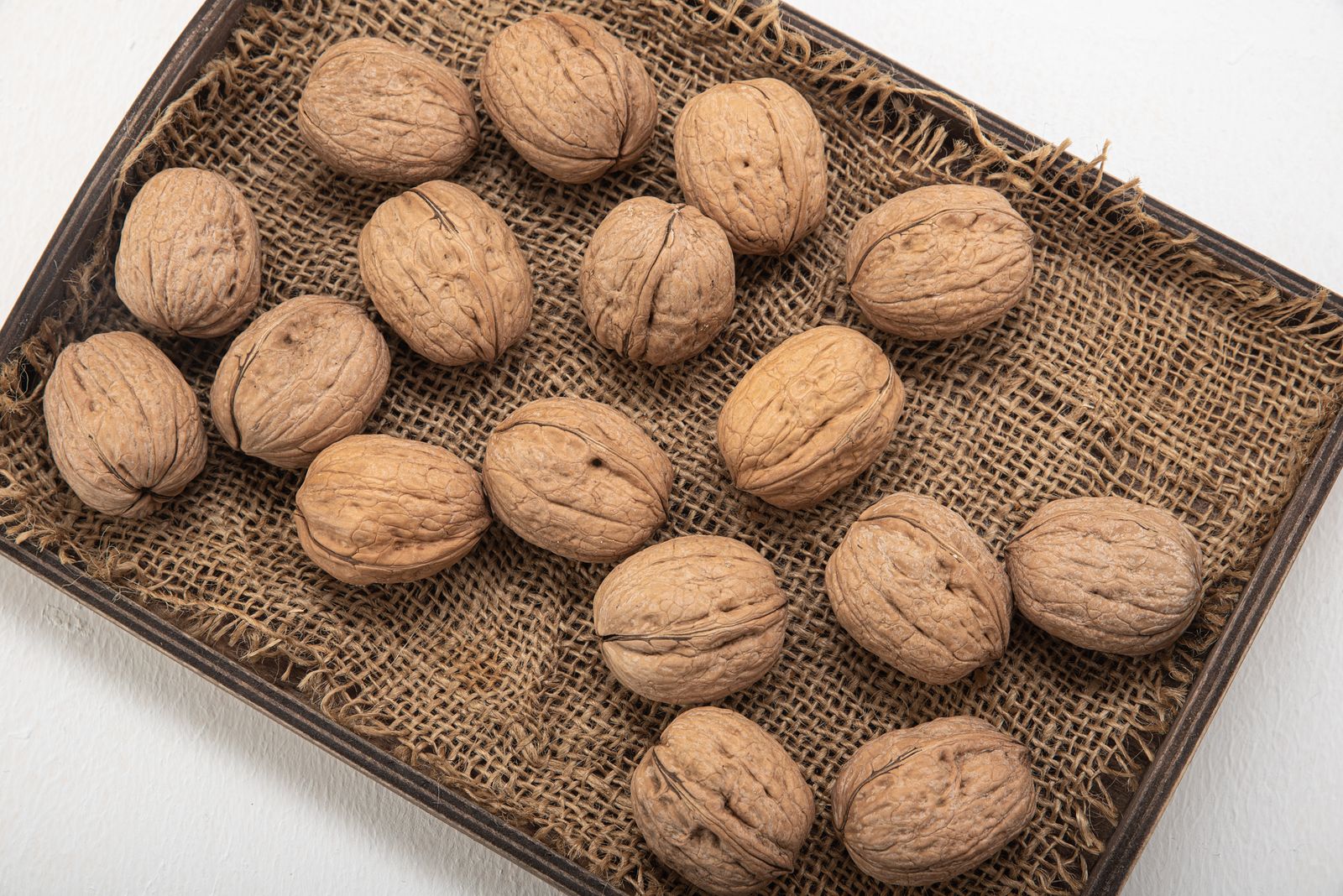
Nuts are one of the most common pantry items to go rancid. Kansas State University Research and Extension, which adapted its guidance from the USDA’s FoodKeeper data, recommends refrigerating nuts after opening and freezing them for longer storage. Its cupboard storage chart lists opened packages of nuts at just a couple of weeks at room temperature.
That matters this time of year, when pecans and walnuts get bought in bulk for holiday baking. For a related read, Frenz Hub has 14 Boomer Habits That Are Making a Comeback.
4. Cornmeal
It pairs well with our earlier story, 9 Old-School Money-Saving Kitchen Tricks Boomers Still Swear By. Like whole wheat flour, cornmeal contains natural oils. Kansas State lists it at about 12 months in the cupboard and suggests the freezer for longer storage. Ohio State goes a step further and recommends keeping cornmeal in a zip-top bag in the freezer to keep the oil from turning rancid.
5. Opened Cooking Oil
An unopened bottle of vegetable oil can last about a year in a cool pantry, according to Clemson. Once it’s opened, though, air starts to work on it. Ohio State lists opened salad oils at just 1 to 3 months. If yours smells sharp or stale, it’s time for a new bottle.
6. Ground Spices and Dried Herbs
Spices don’t spoil in a dangerous way, but they lose flavor faster than most cooks realize. Ohio State says ground spices and dried herbs keep their best quality for about one year, while whole spices last about two. It also advises against storing spices on the counter near the stove, where heat and light speed up the decline.
A quick test: if a jar of ground cinnamon or paprika has almost no aroma when you open it, it won’t add much to your cooking either.
7. Baking Mixes
Boxed biscuit, pancake, and cake mixes often contain fats and leavening agents that weaken over time. Clemson lists baking mixes at about 6 months in the pantry. Old mixes may still be safe, but they can bake up flat or taste stale.
How to Make Pantry Staples Last Longer
A few simple habits go a long way:
- Move whole grain flours, brown rice, and nuts to the refrigerator or freezer if you won’t use them within a few months.
- Store everything in airtight containers to keep out air, moisture, and pests.
- Keep the pantry cool, dry, and away from the oven and dishwasher.
- Write the purchase date on bags and jars so you know what to use first.
Keeping staples fresh is also a quiet way to save money, since less food ends up in the trash.