7 Things Mothers-in-Law Criticize About Your Holiday Cooking
Hosting a holiday meal is stressful enough. There is the shopping, the planning, the hours in the kitchen and the race to get everything on the table hot at the same time. Add a mother-in-law who has strong opinions about how things should be done, and the pressure can feel overwhelming.
Many daughters-in-law say holiday cooking is one of the most common sources of tension with their mothers-in-law. Sometimes the comments are gentle suggestions. Other times they sting for years. Here are seven things mothers-in-law often criticize about holiday cooking, and how to handle them gracefully.
1. The Turkey Isn’t Cooked Her Way
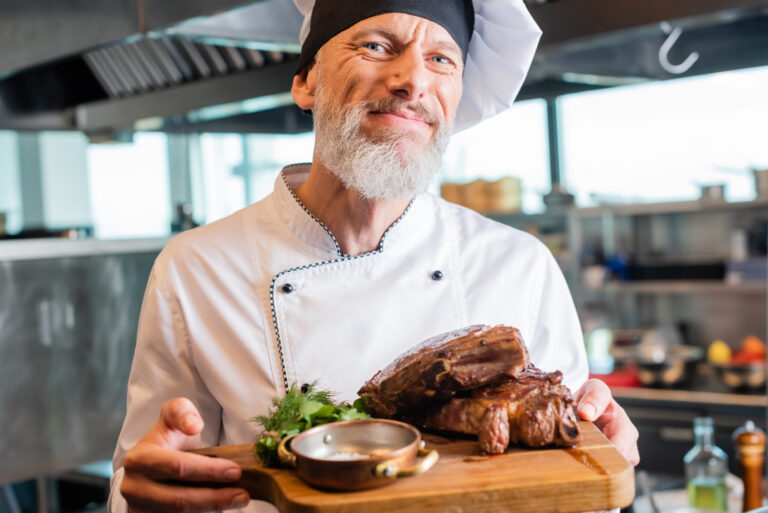
The turkey is the centerpiece of many holiday meals, and it is often the first target for criticism. A mother-in-law might say the bird is too dry, not brown enough or should have been brined, roasted at a different temperature or cooked in a bag the way she always did it.
Many women say they have heard comments like “My son always liked it with more butter under the skin” or “We never stuffed it that way.” Turkey methods are deeply personal, and families often have strong traditions. The best defense is to cook it safely, using a meat thermometer, and remember that there is more than one right way.
2. The Stuffing Isn’t the Family Recipe
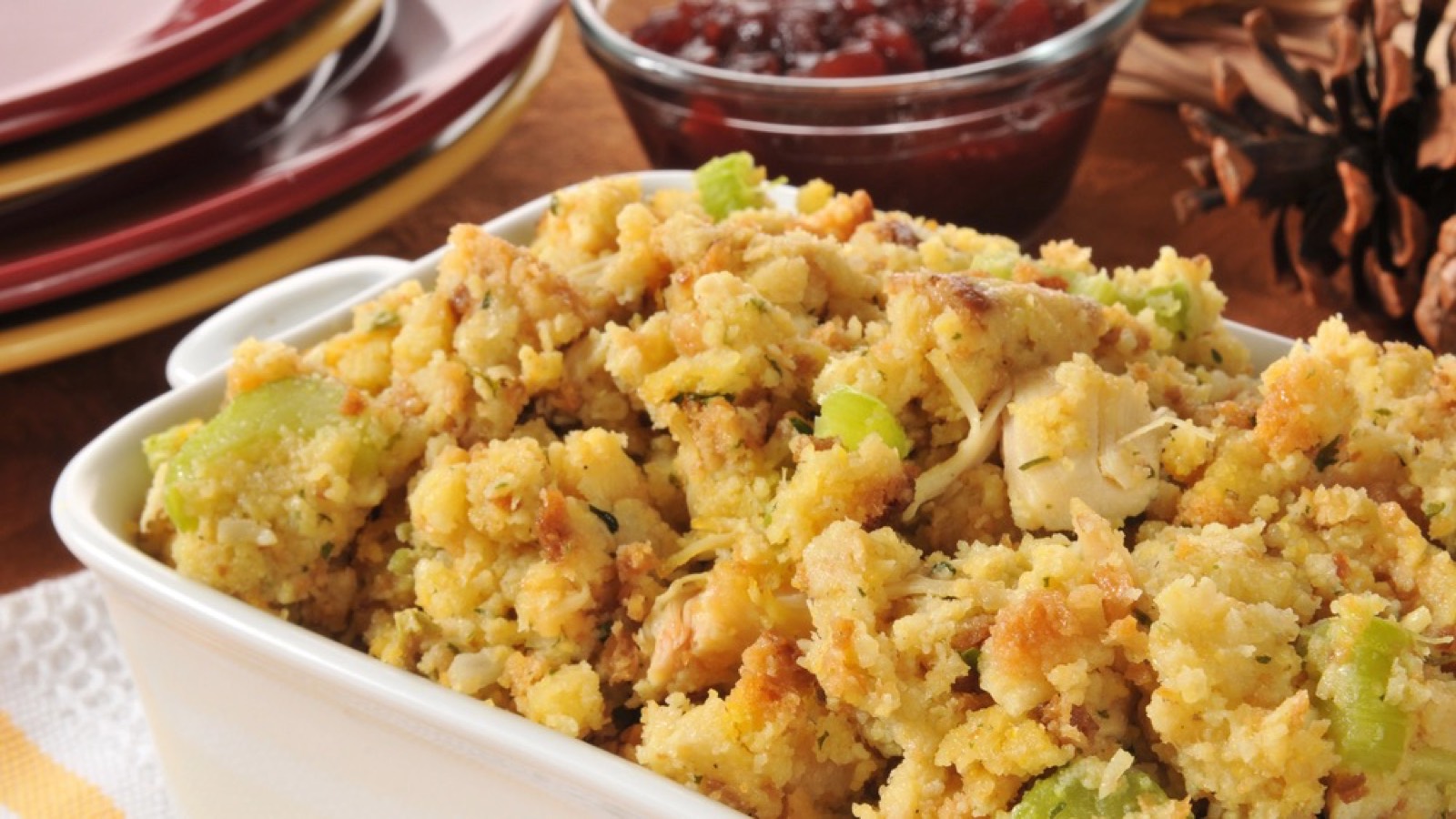
Stuffing, or dressing, is one of the most regional and family-specific holiday dishes. Some families swear by cornbread dressing, while others insist on sage and bread cubes, oysters, sausage or wild rice.
When a daughter-in-law makes stuffing from her own family’s recipe, a mother-in-law may comment that it “isn’t what we’re used to.” Some wives solve this by making two versions, their own and the husband’s family recipe. Others ask their mother-in-law to bring her stuffing, which can turn a point of tension into a gesture of inclusion.
3. Using Store-Bought Shortcuts
Many mothers-in-law grew up in an era when nearly everything was made from scratch. They may raise an eyebrow at store-bought pie crust, canned cranberry sauce, boxed mashed potatoes or a bakery pie.
Comments like “Oh, you didn’t make this yourself?” can make a busy host feel judged. But shortcuts are a practical way to handle a big meal, especially for women who work full time or are hosting a large crowd. There is no shame in using them, and most guests appreciate the meal no matter how it was made.
4. The Gravy Is Too Thin or Too Thick
Gravy is one of the trickiest parts of a holiday meal, and it often draws commentary. It might be too lumpy, too thin, too salty or not dark enough. Some mothers-in-law will even step in and take over the gravy pan.
If gravy is a sore spot, consider making it ahead using turkey wings or drippings from a test roast, or invite your mother-in-law to help with it. Giving her a job in the kitchen can make her feel useful and reduce the urge to critique from the sidelines.
5. The Side Dishes Are Too Modern
Many families have traditional side dishes that appear every year, such as green bean casserole, sweet potatoes with marshmallows or a molded gelatin salad. When a daughter-in-law swaps these for roasted Brussels sprouts, kale salad or a new recipe she found online, a mother-in-law may object.
Comments like “Where’s the green bean casserole?” are often less about the food and more about tradition. Many hosts find a happy middle ground by keeping one or two family classics on the table while adding a few new dishes of their own.
6. The Timing Is Off
Holiday meals involve juggling oven space, cooking times and guest arrivals. If dinner is late, if the rolls are cold or if the pies are not ready in time, a mother-in-law might point it out.
Some mothers-in-law have hosted dozens of holiday dinners and have a well-practiced system. Watching someone else do it differently can make them anxious. A detailed timeline, make-ahead dishes and assigning tasks to guests can help the meal run smoothly and reduce the chances of criticism.
7. The Portions or Presentation
Some mothers-in-law comment on how much food there is, whether there is “enough for everyone” or how dishes are presented. They might mention that the table is not set properly, the serving dishes do not match or the pie looks a little lopsided.
These comments can feel petty, but they are often rooted in how the mother-in-law was raised to host. For her, a beautiful table and abundant food may be a sign of love and care. Understanding that can make the comments easier to let go.
Why Mothers-in-Law Criticize Holiday Cooking
Family therapists often say holiday cooking criticism is rarely just about food. For many mothers-in-law, the holiday meal was once their role. When their son marries and the hosting shifts to his wife, they may feel a loss of purpose or tradition. Criticism can be a way of holding onto a role that feels like it is slipping away.
Others simply have strong habits and do not realize how their comments land. A remark that feels like helpful advice to her may feel like a personal attack to a stressed host.
How to Handle the Comments
Many women find that including their mother-in-law in the meal helps. Ask her to bring a signature dish, teach you her family recipe or help in the kitchen. Giving her a meaningful role can reduce criticism and build connection.
It also helps to have a calm response ready. A simple “Thanks, I’ll keep that in mind” or “We’re trying something new this year” can end the conversation without escalating it. And husbands can play an important part by supporting their wives and gently stepping in when comments go too far.
Make-Ahead Dishes Reduce Stress
One of the best ways to avoid criticism is to reduce the stress of the day itself. Dishes like casseroles, cranberry sauce and pies can be made a day or two ahead, freeing up oven space and time. A calmer host is often better able to brush off comments.
Remember What Matters Most
At the end of the day, holiday meals are about bringing family together. No one will remember whether the gravy was perfect or the stuffing was from the right recipe. They will remember the laughter, the conversation and the feeling of being together.
If your mother-in-law critiques your holiday cooking this year, try to take it in stride. You worked hard to create a meal for the people you love, and that effort deserves to be celebrated, even if not everyone says so out loud.