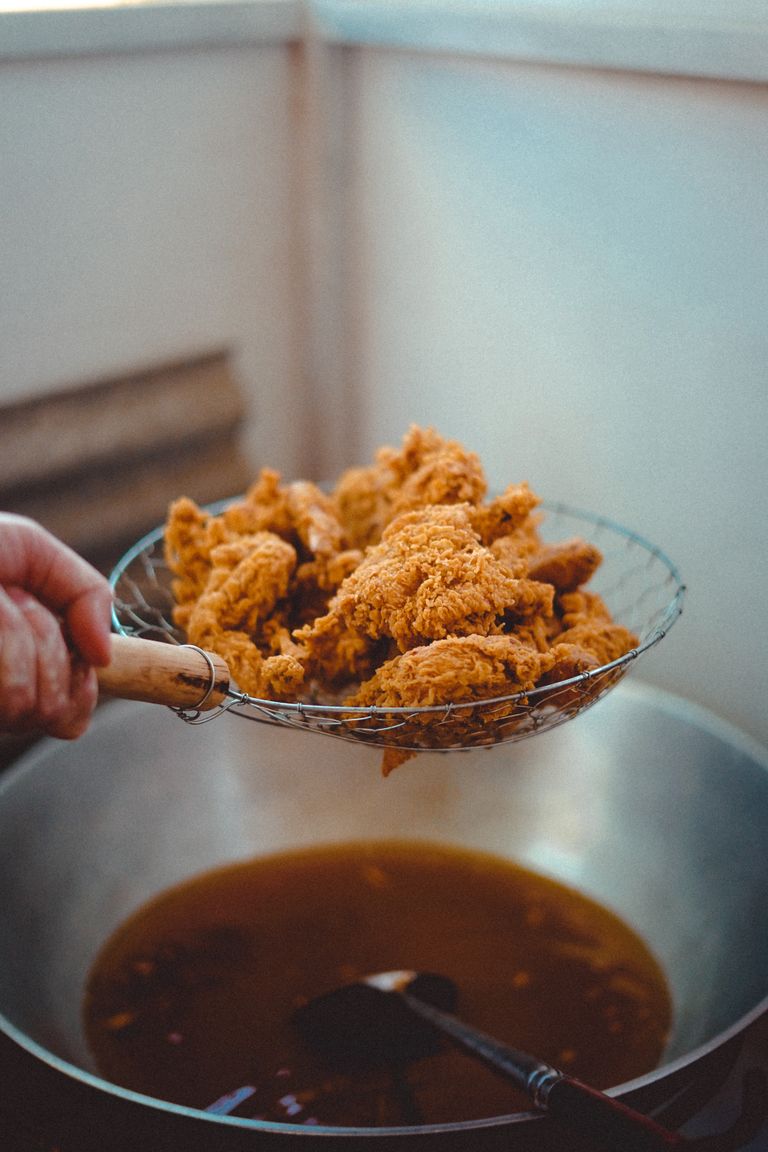
8 Grocery Store Foods That People Associate With Poor Taste
Some grocery store foods carry a reputation they cannot seem to shake. They may be cheap, convenient, nostalgic, or perfectly edible, yet many shoppers still judge them the moment they hit the cart. Sometimes the criticism is about flavor. Other times, it is about image, texture, packaging, or the feeling that the food belongs to a sad lunch, a rushed dinner, or a fridge that has given up on ambition.
Of course, taste is personal. One person’s “never again” food is another person’s comfort meal after a long day. Still, certain grocery staples have become easy targets because people associate them with blandness, poor quality, or lazy cooking. These are the foods that often get side-eyed in the checkout line, even though many of them still sell for a reason.
Canned Vienna Sausages
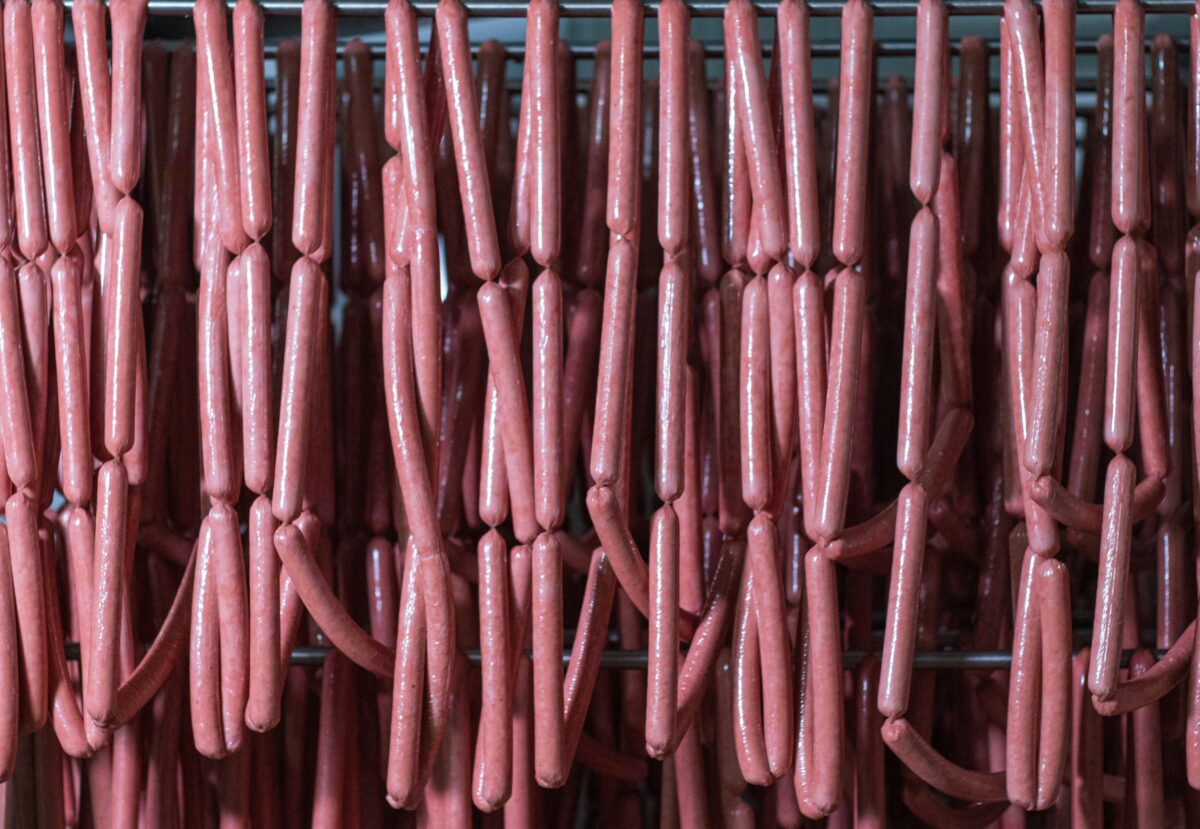
Vienna sausages have a loyal following, but they also carry one of the strongest “poor taste” reputations in the grocery aisle. The tiny, soft sausages packed in brine can look more like survival food than something anyone planned to enjoy. Their pale color, slippery texture, and salty smell do not help their image.
For some shoppers, they bring back childhood memories, road trips, or late-night meals when money was tight. For others, it feels like the kind of food someone eats straight from the can, because the kitchen has officially surrendered. They are convenient, affordable, and shelf-stable, but elegance is not their strongest selling point.
Frozen TV Dinners
Frozen TV dinners promise comfort with almost no effort, yet many people associate them with bland flavor and low standards. The plastic tray, watery vegetables, soft potatoes, and mystery sauce can make the meal feel more like a backup plan than dinner.
The reputation comes from years of disappointing microwave meals that looked much better on the box than on the plate. Even improved versions still fight the old image of rubbery meat, limp pasta, and sauce that tastes faintly artificial. People buy them for convenience, but few brag about serving one as their proudest meal of the week.
American Cheese Slices
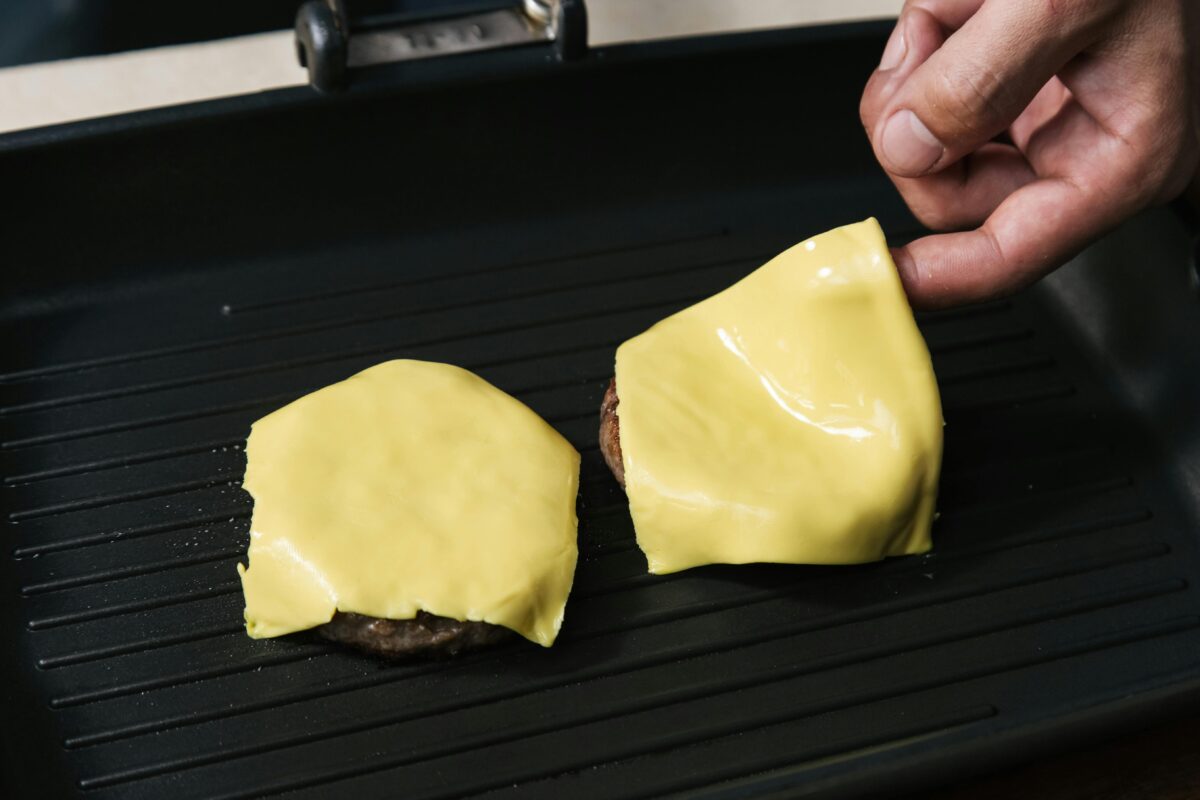
American cheese slices are everywhere, yet they remain one of the most judged items in the dairy case. Critics say they are too processed, too shiny, too soft, and too far removed from what cheese is supposed to be. The individual plastic wrapping makes them feel more like a product than a food.
Still, they melt beautifully on burgers and grilled cheese, which is why they survive every food trend. Their problem is not usefulness. It is reputation. To food snobs, American cheese suggests someone values convenience over quality. To fans, it tastes like childhood, cookouts, and diner food done right.
Instant Ramen Cups
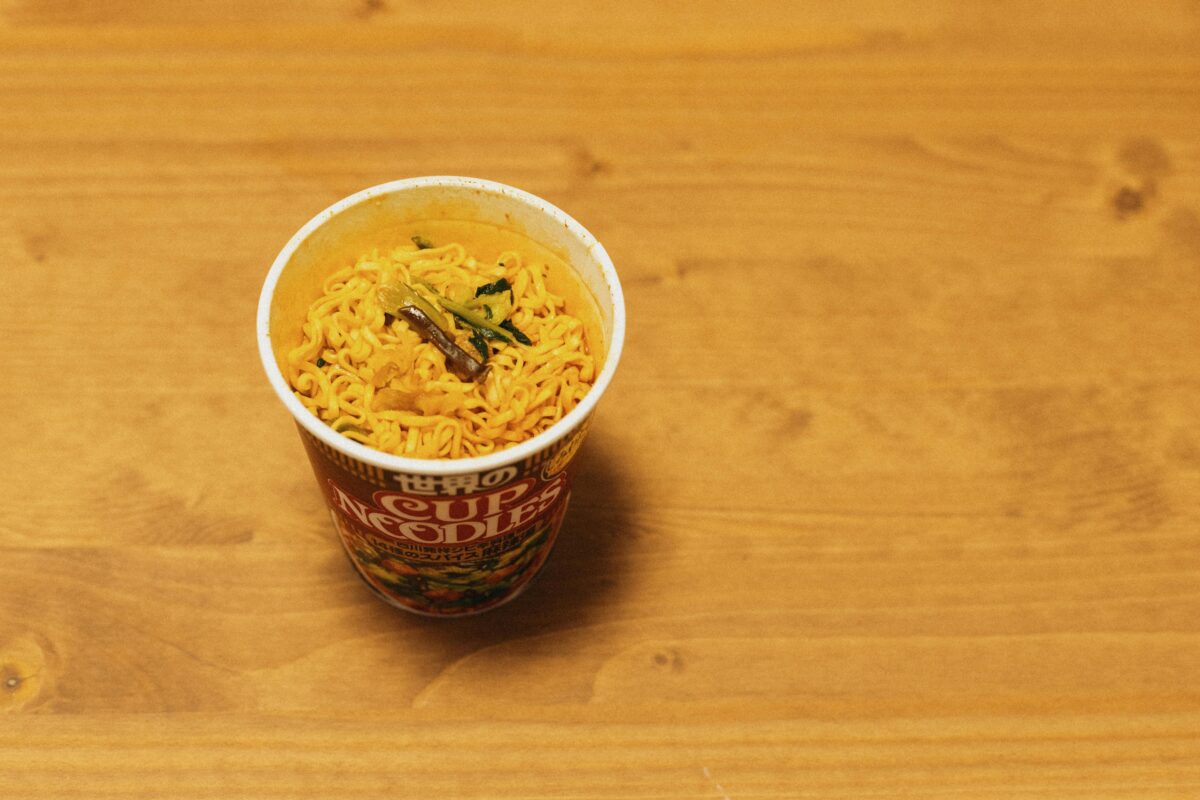
Instant ramen cups are cheap, fast, and beloved by college students, night-shift workers, and anyone who has ever been too tired to cook. Yet they are also strongly associated with poor taste because they scream “last resort meal” to many people.
The seasoning packet, dehydrated vegetables, and thin noodles can feel aggressively basic. People often joke that ramen cups are less a meal and more a financial statement. But with eggs, vegetables, chili oil, or leftover meat, they can become genuinely satisfying. The shame mostly comes from eating them plain, hunched over the counter, pretending the tiny carrot cubes count as dinner.
Canned Spaghetti and Meatballs
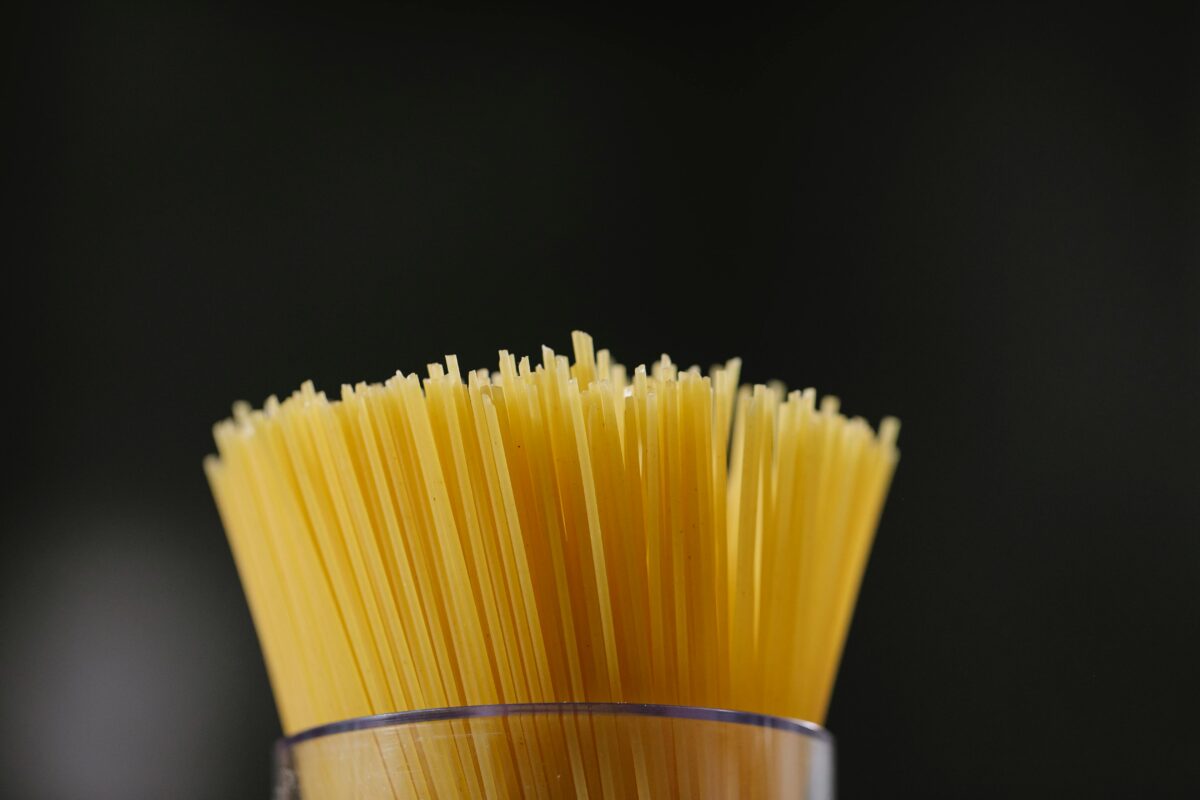
Canned spaghetti and meatballs have a nostalgic pull, but it also carries a reputation for being mushy, overly sweet, and suspiciously soft. The pasta often loses its shape, the sauce can taste sugary, and the meatballs have a texture that feels more engineered than cooked.
People associate it with childhood lunches, emergency pantry meals, or dinners made when nobody had the energy to boil water. It is not pretending to be gourmet, which may be part of its strange charm. Still, anyone who grew up with homemade pasta sauce may struggle to respect spaghetti that slides out of a can in one orange-red lump.
Pre-Made Grocery Store Sushi
Grocery store sushi can be decent in the right place, but it also gets judged harshly. The biggest issue is freshness. Dry rice, dull fish, cold imitation crab, and stiff seaweed can turn something elegant into something deeply disappointing.
People associate it with risky choices and questionable judgment, especially when it sits under fluorescent lights near the deli counter. Even when it is safe and perfectly edible, it rarely feels special. Sushi depends on texture, temperature, and freshness, so a sad plastic tray can make the whole experience feel like luxury on a budget gone wrong.
Powdered Drink Mixes
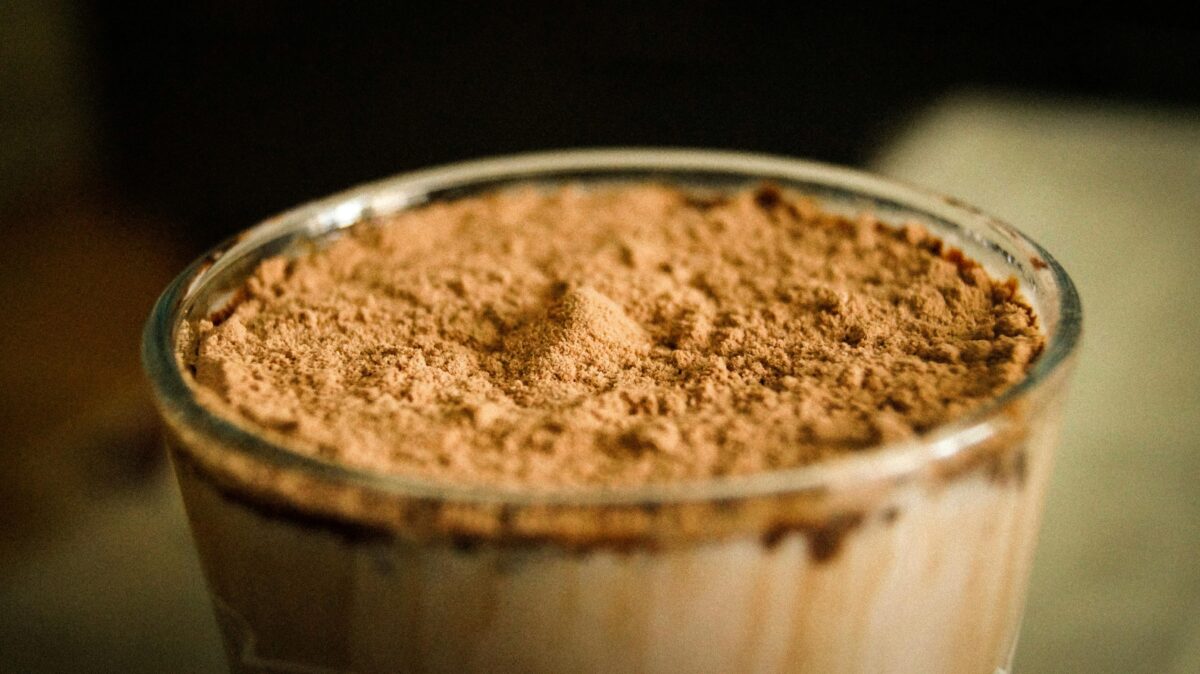
Powdered drink mixes have a cheerful, colorful image, but many people associate them with cheap taste. The flavor can be loud, sweet, and artificial, leaving the mouth coated with a candy-like aftertaste. Bright red, blue, or orange drinks may look fun, but they rarely feel sophisticated.
They are tied to childhood parties, school lunches, and big plastic pitchers in the fridge. That nostalgia works for some people. For others, it signals a lack of grown-up taste, especially when served instead of juice, sparkling water, or homemade lemonade. The color does most of the talking, and subtlety is not part of the conversation.
Shelf-Stable Pudding Cups
Pudding cups are convenient and sweet, but they’re often treated as low-effort desserts. Their texture is smooth in a way that feels slightly unnatural, and the flavor can be more sugary than rich. Chocolate pudding should feel indulgent, but many shelf-stable cups taste like they were designed for lunchboxes, not cravings.
People associate them with kids’ snacks, hospital trays, and meals that needed “something sweet” without any real thought. They are comforting in the right mood, especially cold from the fridge. Still, they rarely escape the image of being a dessert chosen because nobody wanted to bake, slice fruit, or open anything more exciting.
Conclusion
Food judgment can be unfair, funny, and deeply personal. Many grocery store foods with “poor taste” reputations are affordable, nostalgic, and useful when life gets busy. The real issue is not always flavor. It is the story people attach to the food.
A can of sausages, a ramen cup, or a frozen dinner can look sad to one shopper and comforting to another. Taste is shaped by money, memory, culture, convenience, and mood. Still, some foods will always carry a little checkout-line embarrassment, even when people secretly keep buying them.