8 Reasons Why DIY Smoothies Are Destroying Your Waistline
Smoothies have long been marketed as the ultimate health food. You can pack them with fruits, veggies, and even superfoods, making them a nutritious and convenient option for breakfast or a post-workout snack.
But here’s the catch: not all smoothies are created equal, and your DIY concoction might actually be doing more harm than good. Sure, they’re easy to make and often seem like a healthier option, but more often than not, they can be sabotaging your waistline without you even realizing it. Let’s dive into eight surprising reasons why your DIY smoothie might be destroying your waistline.
You’re Overloading on Sugar
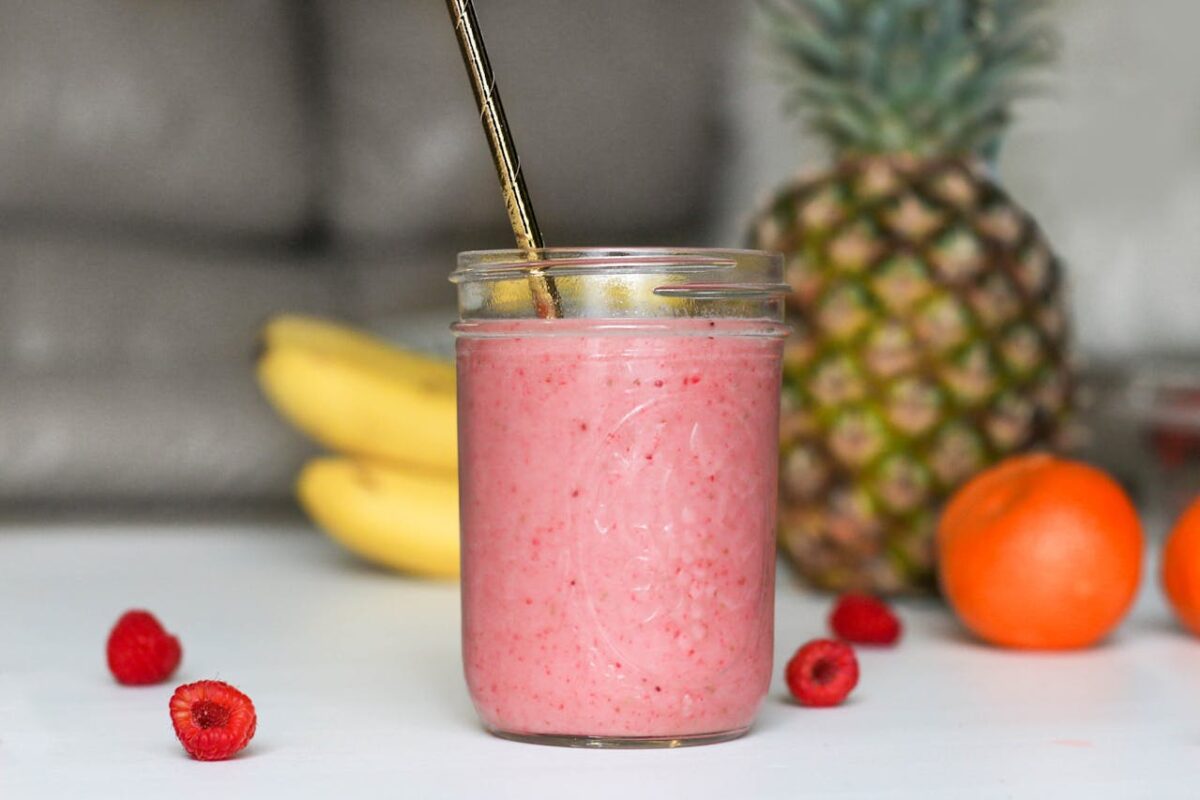
It’s easy to think of smoothies as “healthy,” especially when they’re filled with fruits like bananas, mangoes, or pineapples. These fruits are naturally sweet, but they also contain a high amount of sugar. When blended into a smoothie, their sugar content can easily spiral out of control.
The problem is that this sugar, though natural,is still sugar, and consuming it in large quantities can lead to weight gain, insulin spikes, and cravings for more sugary foods. Adding a handful of fruit to your smoothie might seem harmless, but if you’re tossing in multiple high-sugar fruits at once, you’re potentially consuming far more sugar than you realize.
The real kicker? Many store-bought smoothies and juice bars mask this high sugar content by labeling them as “natural” or “organic,” which can make it easy to overlook how much sugar you’re truly consuming. So, while your smoothie might taste delicious, it could be a sugar bomb that wreaks havoc on your waistline.
Excessive Calories from Nuts and Nut Butters
Nuts and nut butters are often touted as healthy fat sources, and they’re commonly added to smoothies to increase creaminess or boost protein content. However, nuts and nut butters are also very calorie-dense. A single tablespoon of peanut butter contains around 90 calories, and when added to a smoothie with multiple tablespoons, you could be adding an extra 200–300 calories without even realizing it. This is particularly problematic if you’re already adding other calorie-rich ingredients, such as full-fat yogurt or avocado.
While the fat from nuts is technically “healthy,” it’s still important to be mindful of portion sizes. If you’re trying to lose weight, all those extra calories can quickly add up and hinder your progress. Unfortunately, many people don’t realize how quickly their smoothies can go from a “low-calorie” option to a calorie overload, making weight management even more difficult.
You’re Not Using the Right Protein
Protein is essential for muscle repair and for maintaining a feeling of fullness after eating, making it an important part of a healthy smoothie. However, choosing the wrong type of protein powder or skipping it altogether can lead to unbalanced smoothies that leave you hungry an hour later and cause you to reach for unhealthy snacks. Many store-bought protein powders are loaded with sugars, artificial sweeteners, and other additives that contribute empty calories and can leave you feeling sluggish, bloated, or unsatisfied.
Worse yet, some people opt for “vegan” protein powders, which, while free from animal products, are often packed with unnecessary fillers like rice or pea protein, which can also cause digestive discomfort. Instead, try opting for a clean, high-quality protein powder without added sugars or sweeteners. Your waistline will thank you when your smoothies provide longer-lasting energy and better satiety.
Large Portions Lead to Overeating
A common pitfall when making DIY smoothies is creating oversized portions, especially when you’re using large containers or thinking that “bigger is better.” But here’s the truth: smoothies are calorie-dense meals, and if you’re drinking them in large quantities, you may end up consuming more calories than you would if you had a solid meal.
It’s easy to underestimate how much you’re actually drinking when you’re sipping from a tall glass or bottle, and before you know it, you’ve downed a smoothie that’s equivalent to two meals. Portion control is key, especially with smoothies, which can quickly lead to overeating if you’re not careful with the amount you make. A smoothie is meant to be a snack or a small meal replacement, not an entire meal.
You’re Skipping the Fiber
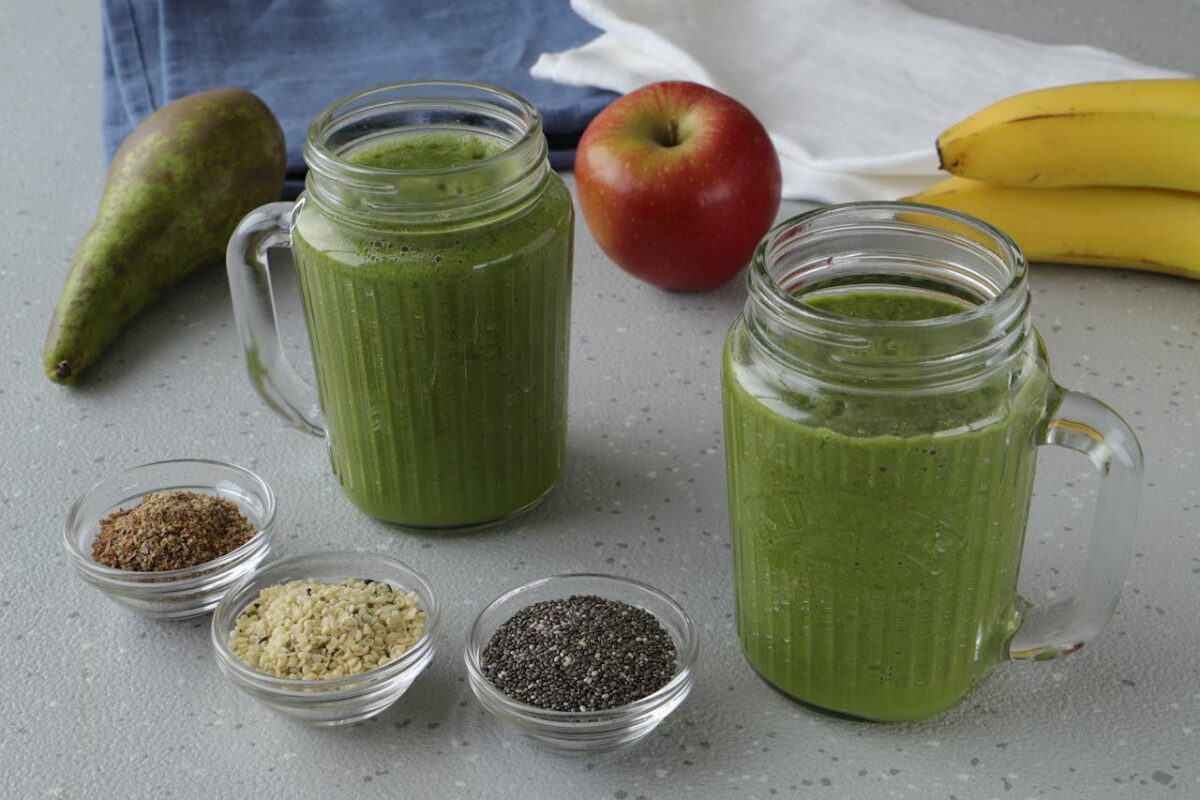
The fiber content of your smoothie is a key factor in how satisfying and beneficial it is. Fiber helps regulate digestion and keeps you feeling full, helping prevent overeating later. Yet, many DIY smoothies lack sufficient fiber because people often leave out the skins, seeds, and pulp of fruits and vegetables. Without fiber, your smoothie may digest too quickly, leaving you hungry again soon after drinking it and increasing your likelihood of snacking on unhealthy options throughout the day.
To add more fiber to your smoothies, try adding ingredients like chia seeds, flaxseeds, or leafy greens. These will not only boost fiber intake but also support digestion, stabilize blood sugar, and contribute to a more balanced meal. A smoothie without adequate fiber won’t provide the lasting energy or satiety you need, which can lead to overeating later on.
Hidden Fats from Dairy
While dairy can add a creamy texture and some protein to your smoothies, full-fat dairy products (like yogurt, milk, or cream) can also contribute significant amounts of unhealthy fats and calories. If you’re not careful with your dairy choices, these fats can quickly accumulate in your smoothie, adding unnecessary calories. Opting for low-fat or non-dairy alternatives, such as almond or coconut milk, can reduce your fat intake while still providing a creamy texture.
Even when choosing low-fat or non-dairy alternatives, be cautious of added sugars and fillers that can sneak into these products. Many non-dairy milk alternatives, for instance, are sweetened with added sugars, which can increase the calorie count and hinder your waistline goals. Always read labels and choose options with no added sugar or excess fillers.
Not Enough Healthy Greens
Greens like spinach, kale, and arugula can be powerful additions to your smoothies, providing essential vitamins and minerals without contributing significant calories. However, many DIY smoothies are made without sufficient greens, leading to an unbalanced meal that lacks the nutrients necessary for long-term health.
By avoiding healthy greens, you’re missing out on key nutrients like vitamin K, folate, and antioxidants that help reduce inflammation and promote overall wellness. Greens are also great for weight loss because they are low in calories but high in fiber. Adding a handful of spinach or kale to your smoothies can make a huge difference in both taste and nutrition, helping to keep your waistline in check while providing lasting energy.
Your Smoothie Is Actually a Dessert in Disguise
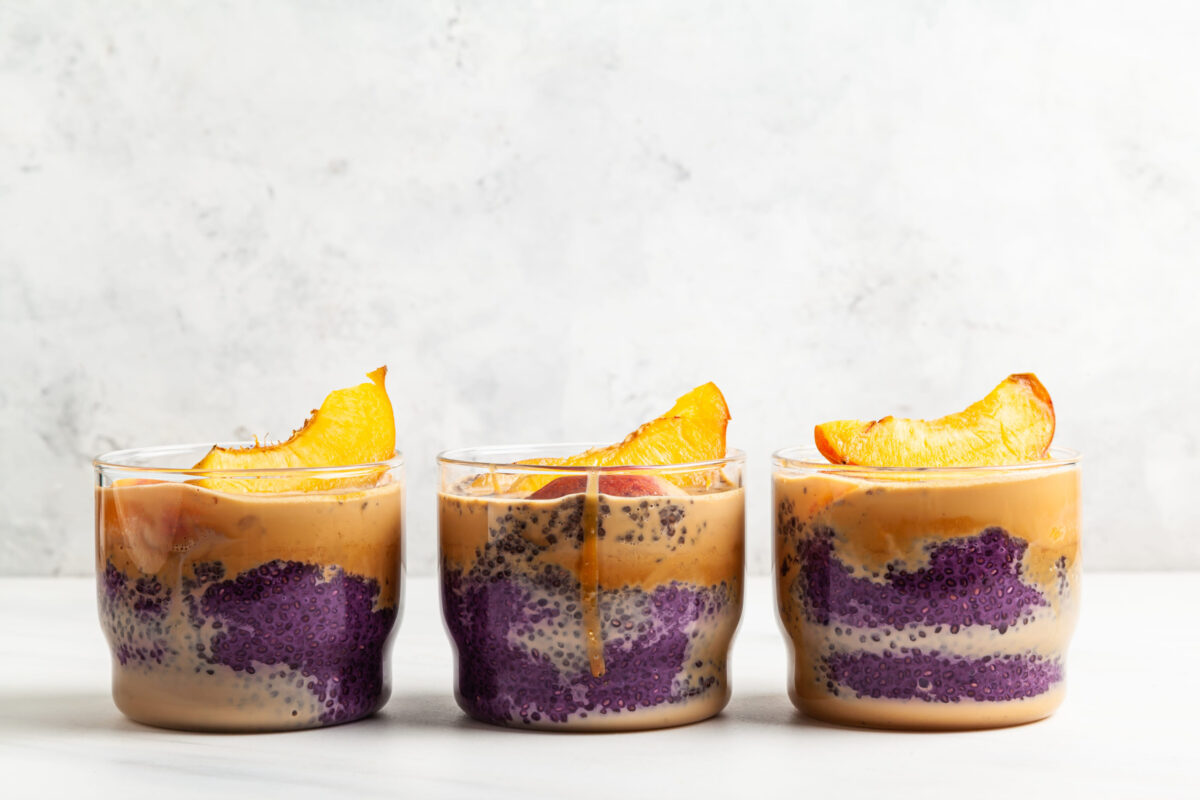
Let’s face it: many people treat smoothies like a dessert. They add heaps of fruit, sugary syrups, and sometimes even chocolate or whipped cream to make their smoothies taste sweeter. This may make your smoothie feel like a decadent treat, but its calorie and sugar content can rival that of a milkshake or dessert.
To avoid turning your smoothie into a dessert, focus on balance. Stick to lower-sugar fruits, such as berries, and avoid adding extra sweeteners like honey, maple syrup, or agave. Instead of treating your smoothie as an indulgence, think of it as a nutrient-packed meal or snack that should fuel your body,not spike your blood sugar or contribute to weight gain.
conclusion
While DIY smoothies can be an easy way to sneak in some fruits and veggies, they are not always as healthy as they seem. Many common smoothie ingredients, whether it’s fruit, dairy, or excessive nut butters, can pack on more calories and sugar than you realize. To make your smoothie a true health boost, it’s essential to be mindful of the ingredients you choose, the portions you serve, and the balance of nutrients you’re including. By paying attention to these factors, your smoothie can become a powerful tool in your health arsenal rather than a culprit in your waistline woes.
Making smarter choices when preparing your smoothies, such as focusing on fiber-rich vegetables, using moderate portions of fruits, and selecting clean protein, will help you get the most benefits without sacrificing your waistline. It’s time to reimagine your smoothies as a balanced, nutrient-dense option rather than a sugary snack in disguise!