9 Reasons Some Americans Are Spiritual but Done With Religion
For many Americans, belief has not disappeared. It has simply walked out of the building.
Across the country, people still pray in quiet moments, believe in a higher power, search for meaning, light candles, meditate, read sacred texts, talk about energy, karma, grace, healing, and purpose. Yet many of these same people no longer want to sit in a pew, join a church committee, follow a denomination, or explain their doubts to a religious authority. They have not stopped asking deep questions. They have stopped trusting certain institutions to answer them.
This shift is not always rebellion. Sometimes it is grief. Sometimes it is disappointment. Sometimes it is the honest decision to protect one’s peace after years of feeling judged, controlled, ignored, or spiritually exhausted. Here are nine reasons some Americans still consider themselves spiritual, but feel completely done with organized religion.
They Want God Without the Gatekeepers

Many people are tired of feeling as though access to God must pass through a preacher, priest, pastor, elder, or religious board. They may still believe in prayer, divine guidance, sacred moments, and a higher purpose, but they no longer want someone else deciding whether their faith is valid enough. For them, spirituality feels personal, alive, and direct.
Organized religion can sometimes make people feel like they need permission to connect with the divine. Every question becomes a test. Every doubt becomes a warning sign. Every private struggle becomes something that must be confessed, corrected, or publicly managed. Some Americans are stepping away because they want a spiritual life that feels less like a courtroom and more like a conversation.
They Are Exhausted by Religious Hypocrisy
One of the biggest reasons people leave religion is not because they hate faith. It is because they have seen too many people preach kindness in public and practice cruelty in private. They have watched leaders talk about humility while chasing power, money, fame, or control. That kind of contradiction can crush trust.
For many spiritual Americans, hypocrisy feels more damaging than disbelief. They can handle imperfect people because everyone is imperfect. What they struggle with is the refusal to admit wrongdoing. When religious spaces protect reputations more aggressively than they protect wounded people, many decide that their souls are safer outside the system.
They Feel Judged Instead of Loved

Religion often speaks about love, mercy, forgiveness, and compassion. Yet some people experience religious communities as places where they are constantly measured, corrected, and quietly ranked. Their clothing, relationships, questions, political views, parenting choices, past mistakes, or personal struggles become open targets for judgment.
Spirituality, for these Americans, offers breathing room. It allows them to seek growth without feeling watched. They still want to become better people, but they do not want shame to be the engine of that growth. They are tired of being treated like a problem to be fixed rather than a person to be understood.
They No Longer Trust Religious Institutions
Trust is hard to rebuild once it breaks. Some Americans have watched religious institutions mishandle abuse scandals, financial misconduct, discrimination, manipulation, and power struggles. Others have seen local churches split over ego, money, politics, or leadership drama. These experiences leave deep marks.
When people say they are spiritual but not religious, they may mean they still believe in sacred truth but no longer trust the machinery built around it. The sermons may sound beautiful, but the institution behind them can feel unsafe. For many, leaving religion is not a loss of faith. It is a refusal to keep pretending everything is fine.
They Are Tired of Politics Taking Over the Pulpit
Many Americans have grown weary of religious spaces becoming political battlegrounds. They may enter a church hoping for comfort, wisdom, prayer, or moral reflection, only to feel pushed into a partisan identity. Instead of feeling spiritually nourished, they feel recruited.
This does not mean spiritual people have no political values. Many care deeply about justice, poverty, human dignity, freedom, and compassion. The issue is when religion becomes less about conscience and more about loyalty to a party, leader, or cultural tribe. Some Americans leave because they want their spiritual life to rise above the noise, not become another branch of it.
They Want Room for Questions
Doubt is part of being human. Many people have honest questions about suffering, death, scripture, morality, science, heaven, hell, miracles, identity, and the meaning of life. In healthy spiritual spaces, questions can deepen faith. In rigid religious spaces, questions can be treated as threats.
Some Americans leave religion because they are tired of being told to stop wondering. They want a faith that can survive curiosity. They want to explore mysteries without being accused of rebellion. Spirituality gives them permission to sit with uncertainty, to grow slowly, and to admit that some answers are complicated.
They Have Been Hurt by Religious Shame
Religious shame can linger for years. Some people were taught to fear their bodies, silence their emotions, distrust their desires, or see themselves as permanently flawed. Others were made to feel dirty, broken, or unacceptable because of their past, their identity, their family situation, or their questions.
Spirituality can become a form of healing after that kind of damage. It allows people to rebuild a relationship with themselves and with the sacred without constant fear. They may still believe in accountability and moral growth, but they no longer accept shame as a holy tool. They want healing that feels like sunlight, not a locked room.
They Find Meaning Outside Traditional Worship
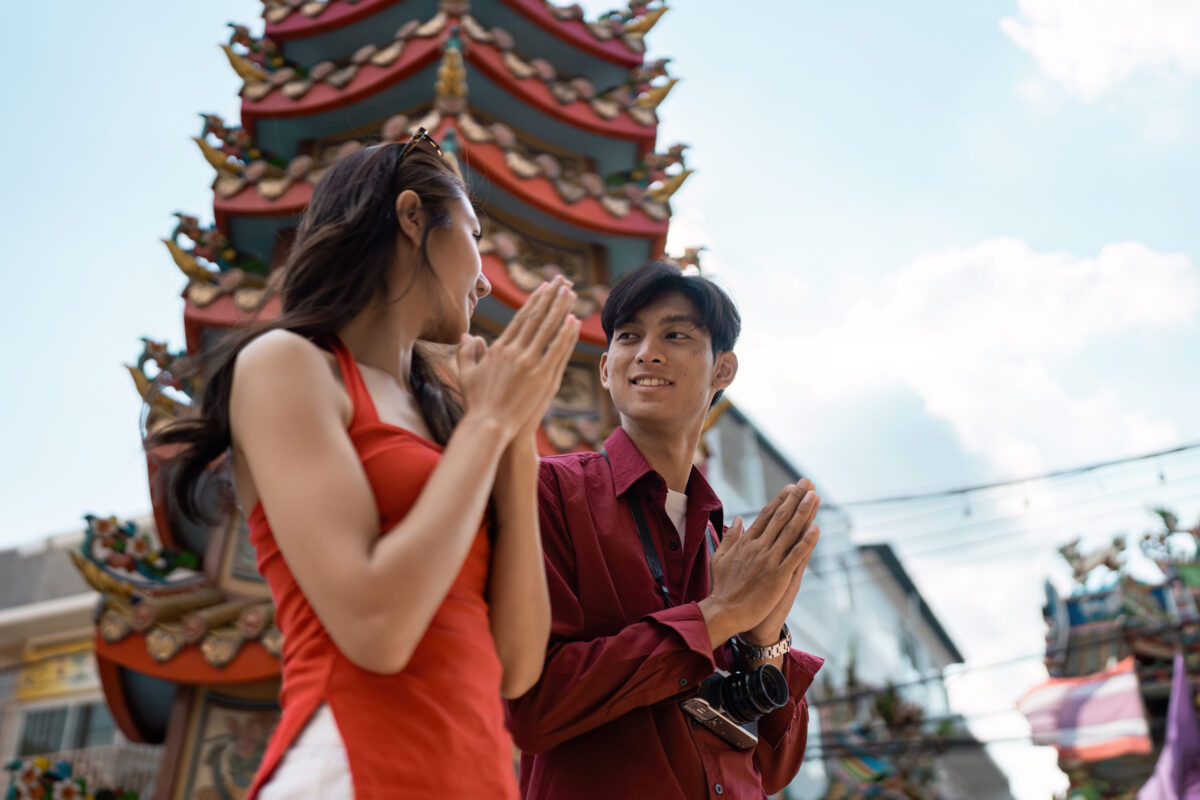
For some Americans, the most spiritual moments do not happen in a sanctuary. They happen on a quiet walk, in therapy, during meditation, while caring for a loved one, through music, in nature, while volunteering, or during a moment of deep gratitude. These experiences may feel more honest than a formal service.
This does not mean traditional worship has no value. For many people, it remains deeply meaningful. But others feel more connected to the divine when they are outside structured rituals. They may find God in silence, beauty, creativity, service, or stillness. Their spirituality is not empty just because it does not fit inside a weekly schedule.
They Want a Kinder Version of Faith

Many Americans are not rejecting faith itself. They are rejecting the version of faith that feels angry, suspicious, controlling, and obsessed with who belongs and who does not. They want spirituality that produces humility, patience, generosity, courage, and compassion. They want a belief that makes people softer in the right places, not harder.
For these people, the test of spirituality is not how loudly someone claims to believe. It is how they treat the tired cashier, the lonely neighbor, the struggling child, the grieving friend, and the person who disagrees with them. They are drawn to faith when it feels like love in motion. They are done with religion when it feels like power, wearing holy clothes.
Conclusion
Some Americans are spiritual but done with religion because they have learned the difference between faith and institutional loyalty. They may still believe in God, prayer, meaning, goodness, mystery, and the unseen threads that hold life together. What they no longer want is spiritual pressure dressed up as authority, judgment disguised as concern, or politics wrapped in sacred language.
This shift is not simply a rejection. It is often a search. People are searching for peace that does not require performance, truth that does not punish questions, and a community that does not demand conformity before offering love. They want a spiritual life that feels honest, humane, and deeply rooted in compassion.
Religion still matters to millions of Americans, and for many, it remains a source of strength, identity, comfort, and belonging. But for those who have stepped away, the story is more complicated than laziness, rebellion, or disbelief. Many are not running from God. They are running from the noise that made it harder to hear Him.