9 Things You Should Never Put in a Blender
A blender feels like one of those kitchen appliances that can handle almost anything. Toss in fruit, ice, vegetables, sauces, and maybe yesterday’s soup, press a button, and let the blades do the work.
Except sometimes, they really cannot.
Some ingredients can create dangerous pressure inside certain blender containers. Others can strain the motor, damage the blade assembly, or simply turn dinner into a texture disaster. The tricky part is that many popular blender warnings are exaggerated. Ice, frozen fruit, coffee beans, and even dough can be perfectly acceptable in the right machine.
So instead of treating these as universal bans, think of them as nine things you should keep out of your blender unless your specific model is designed to handle them.
Very Hot Liquids
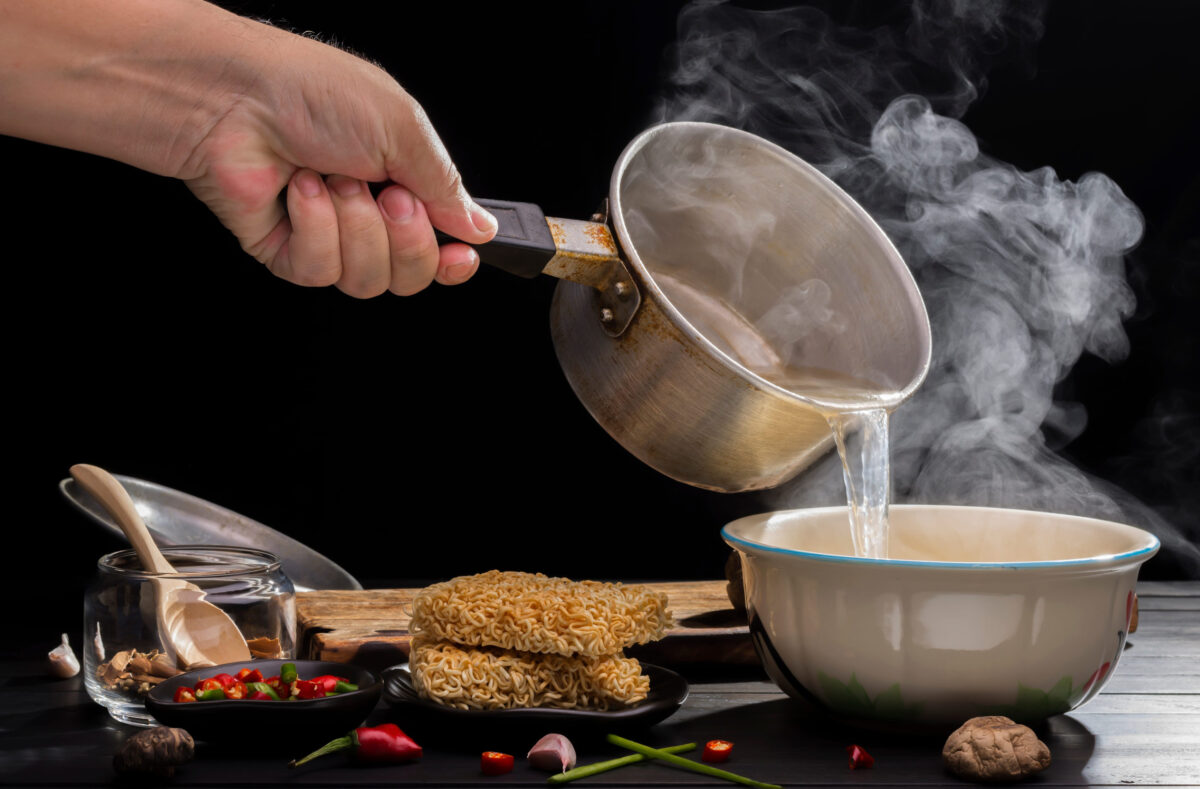
That steaming pot of soup may look ready for a quick whirl, but pouring very hot or boiling liquid straight into the wrong blender can be risky.
The biggest concern is pressure. In sealed personal-blender cups especially, heat and steam can create pressure inside the container. Opening it afterward can release hot contents unexpectedly.
Some vented countertop pitchers are specifically designed to handle hot foods, while other models prohibit hot blending altogether. That is why your blender manual matters more than a generic kitchen hack.
If your machine isn’t approved for hot liquids, let the soup cool to the manufacturer’s recommended temperature, blend it, and reheat afterward.
Carbonated Drinks in Sealed Cups
Sparkling water, soda, champagne, and other fizzy drinks might sound like fun additions to a blender cocktail, but sealed blending cups tell a different story.
Blending releases dissolved gas from carbonated liquids. Inside a sealed container, that gas can increase pressure quickly.
A safer approach is simple: blend the noncarbonated ingredients first, pour the mixture into your glass, then add the bubbly ingredient.
Traditional blender pitchers may have different rules, so again, check your machine before assuming every blender works the same way.
Spoons, Spatulas, and Other Utensils
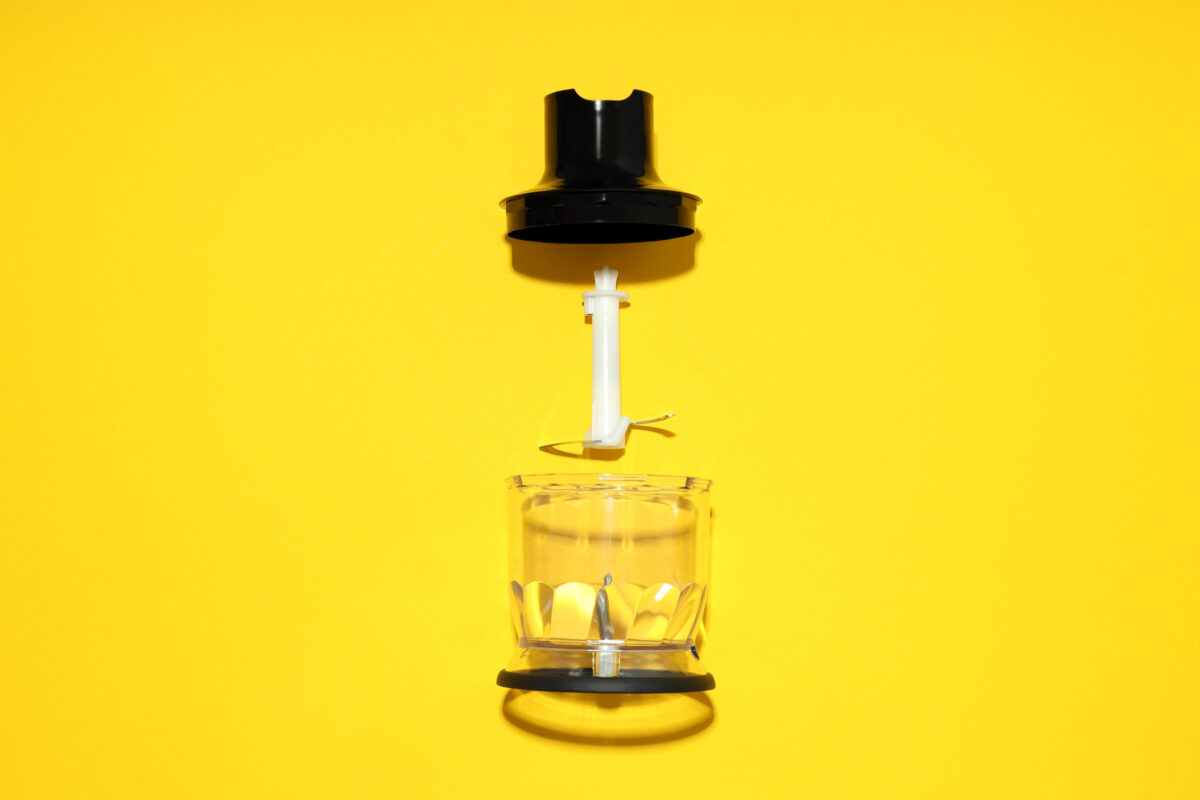
We have all been tempted to poke a stubborn ingredient toward the blade.
Do not do it while the blender is running.
Spoons, knives, spatulas, and other objects can contact the moving blades, potentially damaging the appliance or causing serious injury.
If ingredients are stuck, turn off the blender, unplug it, and wait until everything has completely stopped before reaching inside.
Manufacturer-approved tampers are different. They are designed to work with specific containers and lids without reaching the blades. Your wooden spoon is not a substitute.
Hard Fruit Pits
Peaches, cherries, plums, and apricots are perfectly blender-friendly once you remove the pit.
The pit itself is another matter.
Hard fruit stones can potentially damage the blade or blending container. Even if you are convinced your blender is powerful enough, there is little reason to test that theory.
Take a few extra seconds to inspect fruit before blending, especially if you are using frozen or pre-cut pieces where a stray pit might be easy to miss.
Ice in a Blender That Is Not Designed to Crush It
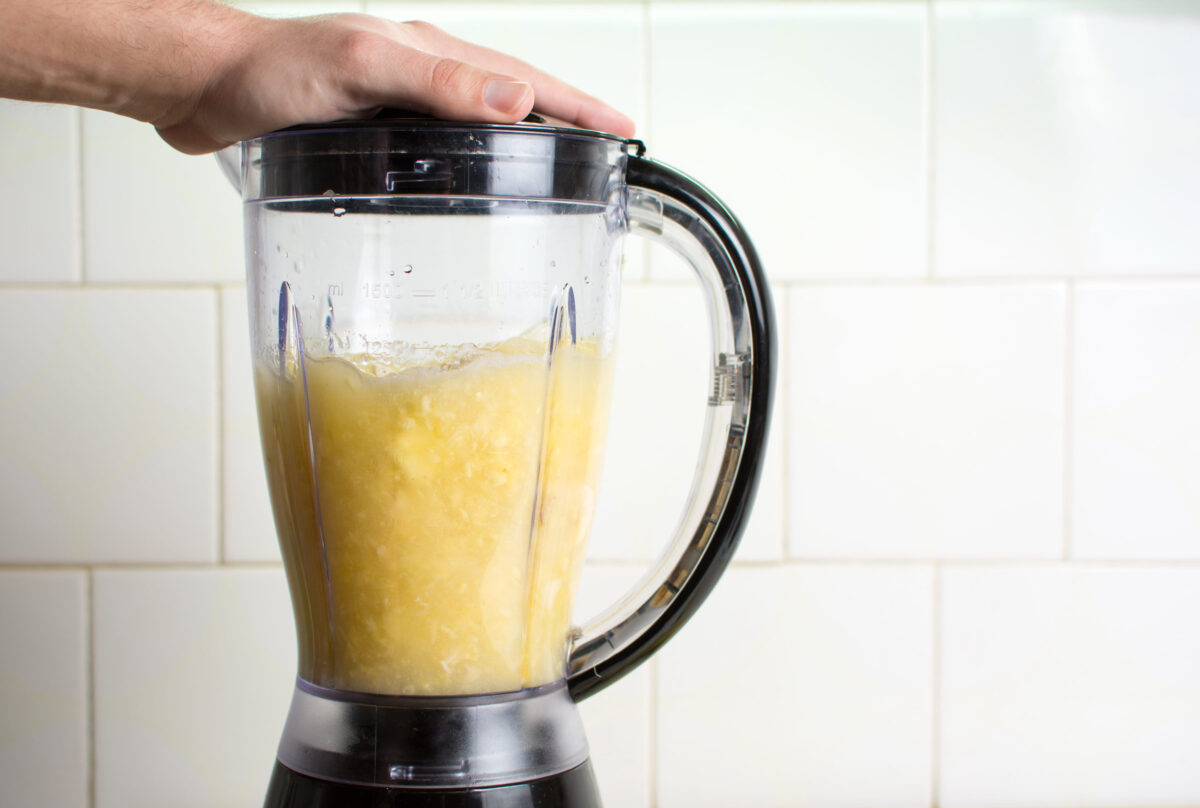
Ice is one of the most misunderstood ingredients on blender warning lists.
Plenty of blenders are specifically designed to crush ice. Some even have dedicated ice-crushing programs. Others aren’t meant to handle cubes on their own.
Using ice outside the machine’s intended operation can put unnecessary strain on the motor or blade assembly.
Before turning your blender into a countertop snow machine, check whether your model actually supports ice crushing and whether the instructions call for liquid, smaller batches, or a particular setting.
Large Frozen Blocks
Frozen strawberries? Usually fine in a capable blender.
A giant brick of strawberries frozen together into one rock-hard mass? Much less appealing.
Large frozen blocks can prevent ingredients from circulating properly, leaving you with uneven chunks and a blender that sounds like it is reconsidering its career choices.
Break frozen ingredients into smaller pieces when possible. If the recipe allows, let frozen fruit soften slightly or add the recommended amount of liquid.
For frozen desserts, freezing mixtures in smaller cubes instead of one large block can also make blending much easier.
Heavy Dough
A blender may look powerful, but it is not automatically a stand mixer.
Very thick, dense dough can strain the motor and, in some machines, potentially damage the blades. Tall blender jars are also not necessarily designed for prolonged kneading.
There are exceptions. Some high-performance blenders provide approved recipes for pizza, bread, pasta, or pretzel dough using specific pulse techniques.
The key is following a recipe developed for your actual machine rather than dropping a full bread dough recipe into the jar and hoping horsepower will save you.
For seriously heavy dough, a stand mixer, food processor, or your own two hands may be the better tool.
Coffee Beans in the Wrong Blade Assembly
You may have heard that coffee beans should never go in a blender. That is too broad.
Some high-performance blenders are specifically designed to grind coffee, spices, grains, and other dry ingredients.
The problem comes when you use a blade assembly intended only for wet blending. Certain personal-blender extractor blades specifically warn against grinding dry coffee beans, cereal, or grains because doing so may damage the blade or motor.
Check your blade, container, and attachment instructions. A dedicated coffee grinder or manufacturer-approved dry-grinding attachment is the easiest option when you are unsure.
Cooked Potatoes for Fluffy Mash
This won’t necessarily damage your blender. It may damage your dinner.
Blending cooked potatoes aggressively can release too much starch, turning what should have been fluffy mashed potatoes into a sticky, gluey paste.
If you want smooth but fluffy mashed potatoes, reach for a potato ricer, food mill, or masher instead.
Some blender recipes use controlled pulsing for potatoes, and blended potatoes work perfectly well in soups and some purées. The warning is really about texture, not safety
Related: 5 Common Foods That Become Toxic When Reheated
Your Blender Manual Is the Final Word
The biggest lesson is that surprisingly few ingredients are universally forbidden in every blender.
One machine may crush ice effortlessly while another advises against it. One vented pitcher may handle hot soup, while a sealed personal cup absolutely should not. Coffee beans, dough, frozen ingredients, and even potatoes can all have legitimate uses when the blender is designed for the job.
So before declaring an ingredient blender-friendly, check the container, blade assembly, and manufacturer instructions.
Your blender may be powerful, but knowing what it was actually built to do is the easiest way to keep both dinner and the appliance in one piece.