10 Mistakes That Killed The Plants in My Garden
Gardening can be one of the most rewarding hobbies, transforming your outdoor space into a beautiful and peaceful retreat. However, it’s easy to make mistakes that can damage or even kill your plants.
Whether you’re a beginner or an experienced gardener, knowing which errors to avoid can help you create a thriving garden. Here’s a look at 10 common gardening mistakes and how to fix them.
Overwatering Your Plants

Water is one of the most vital elements for your plants, but too much can harm them. Overwatering is a common mistake that leads to root rot, poor plant growth, and even plant death.
Each plant has its own unique watering requirements, and overwatering can lead to root suffocation. Plants need water, but they also need to “breathe.” It’s important to find a balance between keeping the soil moist and allowing for proper drainage.
To prevent overwatering, always check the soil before watering. Stick your finger into the soil; if it feels dry up to the first knuckle, it’s time to water. If it’s still moist, wait a day or two before watering again. Adjust your watering schedule based on weather conditions and the plant’s needs.
Underwatering Your Plants
On the flip side, underwatering is just as harmful. Many gardeners are guilty of watering their plants too infrequently, which can lead to wilting, yellowing leaves, and stunted growth. Signs of underwatering include dry, crispy leaves, drooping stems, and reduced growth. If your plants are consistently dry to the touch, they need more water.
Ensure your plants get the water they need by watering deeply. This encourages the roots to grow deeper into the soil, making the plants stronger and more drought-resistant. Again, always check the soil moisture before watering, and adjust based on the specific plant’s needs.
Poor Soil Drainage

Soil drainage plays a critical role in your plants’ health. If water can’t drain properly, it will accumulate around the roots, causing damage. Good drainage prevents the roots from sitting in stagnant water, which can lead to root rot. Well-drained soil also allows the plant roots to access oxygen, which is essential for their growth.
To improve drainage, consider adding organic matter such as compost or perlite to your soil. For pots, ensure your containers have adequate drainage holes to allow excess water to escape.
Using the Wrong Fertilizer
Not all fertilizers are created equal. Using the wrong type of fertilizer can lead to soil nutrient imbalances, harming plant health. There are two main types of fertilizers: organic and synthetic. Organic fertilizers provide slow-release nutrients, while synthetic fertilizers act quickly but can burn plants if over-applied. Choose the type that aligns with your gardening goals and your plants’ specific needs.
Organic fertilizers tend to be gentler on the soil and improve its structure over time. On the other hand, chemical fertilizers are more potent but can cause long-term soil damage if used excessively. Choose fertilizers that match your gardening style and plant needs.
Planting at the Wrong Time

Planting at the wrong time can delay growth, reduce yields, or result in plant failure. Each plant has its own ideal growing season. In most climates, spring and summer are the best times for planting. However, depending on your location, fall may also be a great time to plant certain crops or flowers.
Always check the weather forecast before planting. Some plants are sensitive to frost, while others thrive in cooler temperatures. It’s essential to consider local climate conditions when deciding the best time to plant.
Poor Plant Placement
Choosing the right location for your plants is crucial for their success. Plants need the right balance of sunlight, wind protection, and space to grow. Different plants have varying light and temperature needs. For example, some plants need full sun, while others prefer partial or full shade. Be sure to research your plants’ sunlight requirements and place them accordingly.
While some plants thrive in direct sunlight, others may scorch under intense heat. Make sure to understand whether your plants need full sun, partial shade, or full shade to optimize their growth.
Not Pruning Regularly
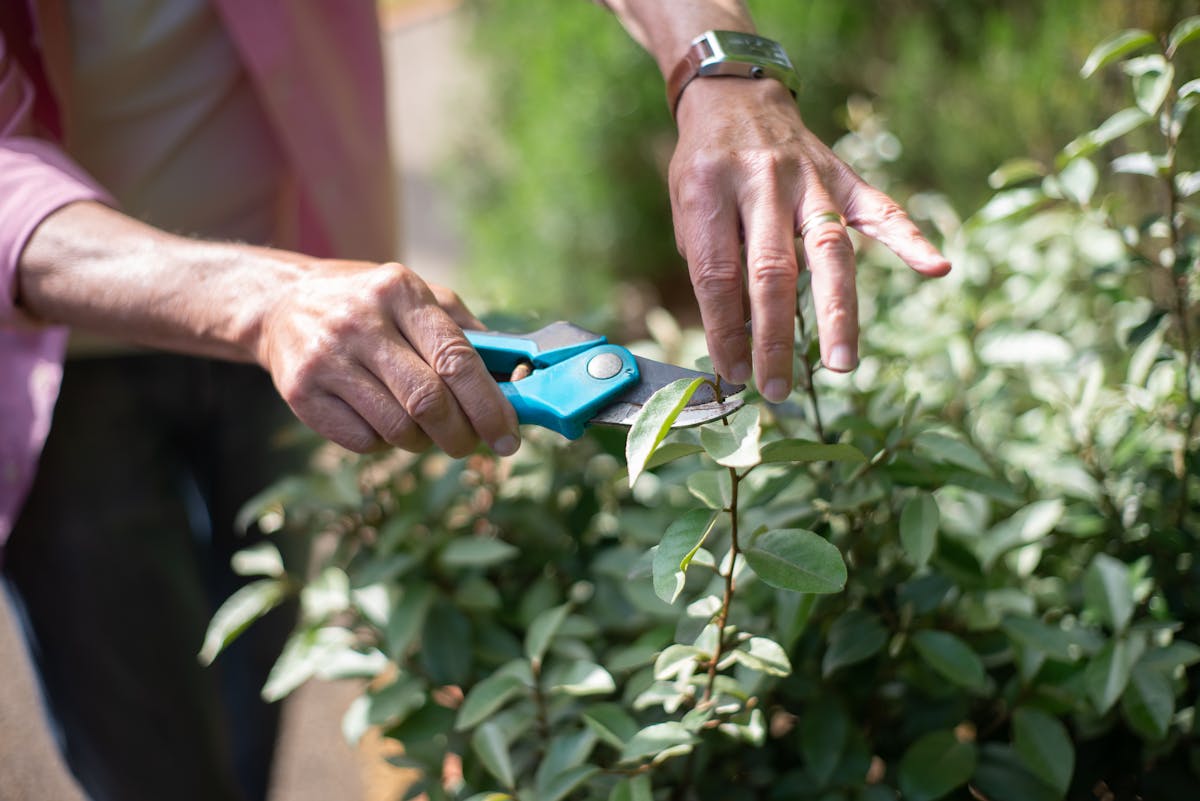
Pruning is essential for maintaining the health and appearance of your plants. Without regular pruning, plants can become overcrowded, weak, and susceptible to diseases. Pruning helps remove dead or diseased parts of the plant, allowing for better airflow and sunlight penetration. It also encourages new growth, which keeps your plants healthy and strong.
By removing dead branches, you help the plant conserve energy for new growth. Pruning also helps shape the plant, making it more aesthetically pleasing.
Not Using Proper Mulch
Mulch is a valuable resource for any garden. It helps retain moisture, suppresses weeds, and regulates soil temperature. There are various types of mulch, including organic (wood chips, straw, leaves) and inorganic (rubber, plastic). Organic mulches break down over time, enriching the soil, while inorganic mulches last longer and retain moisture better.
Mulch prevents the soil from drying out by reducing evaporation. It also keeps the soil cool during hot weather, which is especially beneficial for heat-sensitive plants.
Ignoring Pest and Disease Control

Pests and diseases can wreak havoc on your garden, causing damage and reducing plant vitality. Ignoring them can lead to a garden full of unhealthy plants. Look out for signs such as discolored or chewed leaves, webs, or visible insects on your plants.
The sooner you detect a pest problem, the easier it will be to manage. Consider using natural pest control methods, such as introducing beneficial insects (ladybugs, predatory mites) or applying neem oil. Organic methods help keep your garden eco-friendly while effectively managing pests.
Using Poor Quality Seeds or Plants
Starting with poor-quality seeds or plants is one of the quickest ways to fail in the garden. Low-quality seeds are more likely to result in weak or non-viable plants. Look for seeds that are fresh and free from mold or damage.
When purchasing plants, choose those that have strong stems, healthy leaves, and no signs of disease. Always buy seeds from reputable sources and check their germination rates. High-quality seeds lead to healthier plants and better harvests.
Conclusion
Gardening is a rewarding hobby, but it requires attention to detail and proper care. By avoiding common mistakes like overwatering, poor soil management, and neglecting pest control, you can create a thriving garden that brings beauty and satisfaction to your home. Keep learning, keep experimenting, and soon you’ll have a garden full of healthy, vibrant plants.